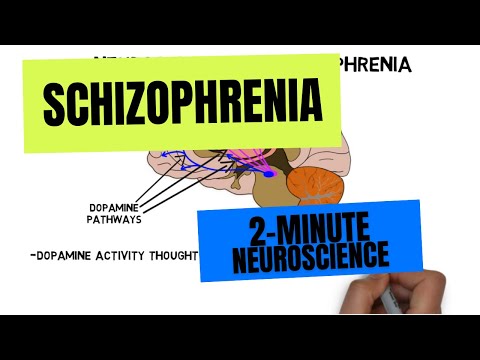
Alright, so let’s chat about schizophrenia. It’s a term you might’ve heard thrown around, but it’s way deeper than just a label.
Imagine feeling like your mind is playing tricks on you. Not fun, right? Well, that’s a glimpse into what some people go through.
Now, the thing is, there’s not just one reason this happens. There are tons of causes and triggers swirling around in that complex brain of theirs.
Like, maybe it’s genetics or stressful life events—who knows? But it all matters when trying to understand this condition.
Ready to dig into what really stirs the pot here? Let’s do this!
Understanding the Triggers and Causes of Schizophrenia: Insights into Mental Health
Schizophrenia can be pretty complex, and understanding what triggers or causes it can feel a bit like trying to solve a puzzle. Basically, it’s not just one thing that leads to this mental health condition; it’s a mix of factors. Let’s break it down.
First off, there’s the genetic component. If someone in your family has schizophrenia, your chances of developing it are higher. But here’s the kicker: just because you have a family history doesn’t mean you will get it. It’s like having the ingredients for a cake but still needing to bake it.
Then we have environmental factors that play a role too. Stressful life events, traumas, or significant losses can trigger symptoms. For instance, imagine going through an intense breakup—it can really shake things up. Now imagine that happening combined with other stressors. It might push someone toward experiencing their first episode.
Substance use is another biggie. Certain drugs, like marijuana or hallucinogens, have been linked to triggering schizophrenia symptoms in people who are already at risk. So if you’re already predisposed due to genetics or environment, adding substances into the mix could kick off problems.
Then there are brain chemistry and structure issues to consider. Basically, neurotransmitters like dopamine and glutamate are involved in how we process information and emotions. An imbalance in these can mess with our thought processes—think about how when you’re really tired or sick, your brain doesn’t work right; well, that happens on a bigger scale with schizophrenia.
And hey, let’s not forget about developmental factors! Issues during pregnancy—like malnutrition or infections—can influence brain development in the fetus and increase risk later on in life.
To sum up:
- Genetics: Family history increases risk but isn’t definitive.
- Environmental factors: Stressful events can trigger symptoms.
- Substance use: Especially certain drugs that may activate latent issues.
- Brain chemistry: Imbalances in neurotransmitters affect thought processing.
- Developmental factors: Complications during pregnancy can contribute.
So yeah, while we might not fully understand every single piece of this puzzle yet, knowing these triggers can help us put together a more complete picture of schizophrenia and how people experience it differently—a totally important step toward empathy and support for those facing this condition.
Understanding Schizophrenia: Top 5 Causes Behind the Disorder
Schizophrenia is one of those mental health conditions that seems shrouded in mystery, you know? It can be tough to wrap your head around it. But understanding what might cause it can help take some of that weight off your shoulders if you’re curious or affected by it in some way. Let’s break down five factors that may contribute to the development of this complex disorder.
Genetics play a significant role in schizophrenia. If someone in your family has had it, your risk increases. It’s not a guarantee you’ll develop the disorder, but having a parent or sibling with schizophrenia definitely raises the odds. For instance, if you have an identical twin with the condition, your chances of developing it jump to about 50%. That’s way higher than the general population.
Then there’s brain chemistry and structure. Some studies suggest imbalances in neurotransmitters—those little messengers that help neurons talk to each other—might be involved. For example, dopamine is often highlighted as a key player here. People with schizophrenia may have issues with how their brains handle dopamine levels, which could lead to some of those symptoms like hallucinations or delusions.
Now let’s talk about environmental factors. Life stressors can trigger symptoms or even act as catalysts for someone who has a genetic predisposition to schizophrenia. Think stressful life events like losing a loved one or experiencing trauma during childhood. Imagine growing up in a chaotic environment where safety isn’t guaranteed; that can really ramp up risk levels when combined with genetic vulnerabilities.
Another important piece is substance use. Using drugs like marijuana during adolescence isn’t ideal for brain development anyway, and for some people, it might trigger symptoms of schizophrenia later on. Research shows that heavy use—especially if there’s a family history—can increase chances of developing the disorder significantly.
Lastly, there are prenatal factors. What happens during pregnancy can also affect brain development before birth! For example, infections during pregnancy (like flu) might be linked to an increased risk of schizophrenia for the baby down the road. It’s pretty wild when you think about how our early environments impact us at such a foundational level.
So there you have it: genetics, brain chemistry, environmental factors, substance use, and prenatal influences all play important roles in understanding schizophrenia. It’s complicated and multi-layered—no single cause here! And while knowing these things is key for understanding more about schizophrenia, it’s always essential to approach mental health topics with compassion and openness.
Understanding the Causes of Schizophrenia: Key Factors and Insights
Schizophrenia is one of those mental health conditions that really challenge how we understand the mind. It’s complex and often pretty misunderstood. But, if you’re curious about what causes it, there’s a lot to unpack.
First off, genetics can play a big role. If someone in your family has schizophrenia, your chances of developing it are higher than someone without that history. But it’s not just about heredity; it’s like having a loaded gun—the environment can pull the trigger.
Environmental factors also come into play. Stressful events, trauma during childhood, or even living in a big city can heighten risk. Imagine dealing with constant stress from family issues or social pressures—that can be overwhelming and might contribute to the onset of symptoms.
Substance abuse is another key player. Certain drugs, especially hallucinogens or stimulants like cocaine, can trigger psychotic episodes in people who are vulnerable to schizophrenia. It’s like adding fuel to a fire that was already smoldering.
And let’s not forget about brain chemistry. Schizophrenia has been linked to an imbalance of neurotransmitters—those little messengers in your brain that help regulate mood and perception. For instance, dopamine is often highlighted because too much of it might cause some of those hallucinations or delusions people experience.
There’s also research suggesting that infections during pregnancy could influence brain development in the fetus, which might up the risk later on. Like if a mom gets sick while pregnant—especially with something severe—it might impact her baby’s brain structure.
So basically, the causes of schizophrenia aren’t just black-and-white. They’re more like shades of gray—wrapped up in genetics, environment, and biology. And when you think about all these layers interacting with each other? It makes sense why understanding this condition can be so tricky.
In sum:
- Genetics: Family history increases risk.
- Environmental stressors: Trauma or high-stress settings.
- Substance use: Certain drugs can trigger symptoms.
- Brain chemistry: Neurotransmitter imbalances play a role.
- Prenatal factors: Infections during pregnancy may affect brain development.
So yeah, while we’re still piecing things together on this front, knowing these factors helps us better understand what’s going on when someone struggles with schizophrenia. It’s more than just one thing; it’s a whole tapestry woven from different threads of experience and biology!
Schizophrenia can feel like one of those heavy topics that you just kinda want to avoid, but it’s really important to shine a light on it. So, when we talk about the causes and triggers of schizophrenia, we’re stepping into this complex maze of genetics, environment, and everything in between.
First off, let’s be real—there’s no single cause. It’s like trying to pin down why some folks are drawn to the ocean while others prefer the mountains. Genetics plays a huge role. If someone in your family has schizophrenia, your risk goes up quite a bit. It doesn’t mean you’re doomed or anything—I mean, my cousin has it and my family is pretty diverse when it comes to mental health.
But then there are environmental factors too. Stressful life events can really stir the pot. Imagine going through something super tough—like losing a job or dealing with trauma—these situations can act as triggers for someone already at risk. Picture this: Let’s say your friend had always been kinda anxious but then they lost their dad unexpectedly; that kind of stress could potentially push them towards experiencing symptoms of schizophrenia.
And don’t forget about substance use! Drugs like cannabis have been linked to an increased risk of developing schizophrenia in vulnerable individuals. I once knew a guy who was smart and funny but got into some heavy stuff during his college years; his life took a downward spiral pretty quickly after that.
There’s also neurobiology involved—basically how our brains function and develop. Some people might have differences in brain chemistry or structure that make them more susceptible to mental health issues like schizophrenia.
So yeah, it’s complicated. You can’t just point fingers at one thing; it’s an intricate dance between your biology and what life throws at you. And if you know someone facing this reality, being there for them is crucial—it makes all the difference in the world amidst all that confusion and fear they might be feeling. Seriously, just showing up can create a safe space for them while they navigate such tough waters.