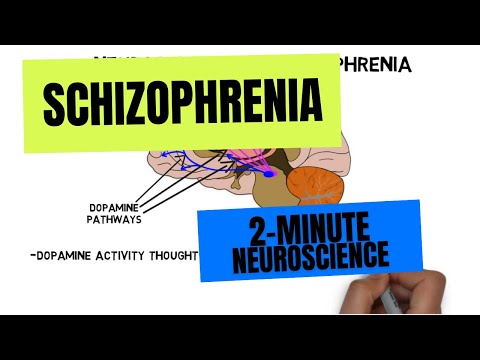
So, let’s talk about schizophrenia and its related disorders. It’s a heavy topic, but it’s super important to understand.
You know, a lot of people have misconceptions about it. Like, seriously, Hollywood really doesn’t help with the whole crazy killer stereotype.
But real life? It’s way more nuanced than that. People living with these conditions often just want to be understood.
Imagine waking up every day with thoughts and feelings that don’t quite match reality. That’s what so many face.
In this piece, we’re gonna break down the psychological perspectives on these disorders—just like chatting over coffee with a friend. Let’s dig in!
Understanding Schizophrenia: A Psychological Perspective on the Disorder
Schizophrenia can seem really daunting when you first hear about it. It’s not just about what you might think of as typical “crazy” behavior. No, the thing is, it’s a complex mental health condition that affects how a person thinks, feels, and behaves. Let me break it down for you.
What Is Schizophrenia?
So, schizophrenia is a serious disorder that distorts thinking, emotions, and perceptions of reality. People with this condition might experience things like hallucinations—like hearing voices or seeing things that aren’t really there—and delusions, which are strong beliefs in things that don’t align with reality. Imagine someone thinking the TV is sending them secret messages; that’s kind of what delusions can feel like.
Symptoms
The symptoms often fall into three categories: positive, negative, and cognitive. Positive symptoms are what’s added to someone’s experience—like those hallucinations or delusions I mentioned earlier. Negative symptoms take away from someone’s ability to function well in daily life. This could include lack of motivation or emotional flatness—like having a conversation with someone who’s just going through the motions without really being there. Cognitive symptoms mess with your attention and memory; it’s tricky when you can’t focus on simple tasks because your mind is racing or just blank.
Causes
Now, regarding why this happens? Well, no one knows for sure—it’s likely a mix of genetic factors and environmental influences like stress or trauma during critical development periods. So if you have family members with schizophrenia, your chances go up a bit but it’s not guaranteed you’ll develop it yourself. Imagine a family history like a loaded dice—it increases your risk but doesn’t seal your fate.
The Psychological Perspective
From a psychological standpoint, we look at how thought patterns and behaviors get tangled up in this disorder. Cognitive Behavioral Therapy (CBT) is one popular approach used to help people work through their thoughts—the idea here is to challenge those distorted beliefs and help folks gain better control over their experiences.
For instance: let’s say you’re convinced everyone at your job is plotting against you—that’s pretty intense! Through CBT, you might learn to question that thought more critically: “What evidence do I have?” It helps break down those spirals before they consume you completely.
Real-World Example
I remember talking with someone who’d been diagnosed with schizophrenia; he shared how he struggled initially after realizing he wasn’t just imagining the voices—even recounting how scared he felt was heart-wrenching. But through therapy and support from friends who understood him without judgment (which is HUGE), he began to recognize patterns in his thoughts that weren’t serving him well.
Treatment Approaches
Treatment usually involves medication alongside therapy—a combo aiming to stabilize mood while giving coping tools for everyday challenges. Antipsychotics work for many people by balancing chemicals in the brain that play into these symptoms—but it’s not always one-size-fits-all because side effects can vary widely!
Lastly, community support plays an essential role too! Being around understanding folks—friends or social groups who share similar experiences—can make all the difference in feeling less isolated and more empowered.
In the end, understanding schizophrenia isn’t about labeling people as “crazy.” It’s about recognizing them as individuals facing tough battles every single day while trying to find their footing under very hard circumstances.
Exploring the Four Key Perspectives on Schizophrenia: Understanding the Complexities of Mental Health
Schizophrenia is one of those conditions that really makes you think about how complex our minds can be. It’s not just one thing but a mix of various factors that contribute to its development and experience. When we talk about understanding schizophrenia, there are four main perspectives that come into play: the biological, psychological, social, and cultural views. Let’s break them down one by one.
The Biological Perspective focuses on how our brain chemistry and genetic factors influence schizophrenia. Researchers have found that people with this disorder often have unusual levels of neurotransmitters like dopamine. Imagine you’re at a party, and the music is way too loud; that’s what happens in the brain—it’s like signals are just going haywire! Also, family history plays a big role here; if someone in your family has schizophrenia, your risk goes up.
The Psychological Perspective digs into the thought patterns and emotional responses of individuals with schizophrenia. Cognitive theory, for instance, suggests that those with schizophrenia might have distorted ways of thinking. Picture someone constantly worrying that they’re being watched or judged; it can feel overwhelming. Therapists often work on helping individuals challenge these thoughts to create healthier patterns.
The Social Perspective shines a light on how society interacts with those who have schizophrenia. Stigma can be incredibly damaging! People with this disorder might face discrimination or social isolation simply because of misunderstandings or fear from others. It’s heartbreaking when someone’s support system dwindles because people don’t know how to respond or help.
Lastly, we can’t forget about The Cultural Perspective. Different cultures view mental health in various ways—some may see it as a spiritual issue rather than a medical one. This can lead to different approaches in treatment and coping strategies. For example, in some cultures, talking to family elders or participating in community rituals may be preferred over traditional therapy.
So yeah, when you put these perspectives together, you start to see how multifaceted schizophrenia really is. Each angle offers valuable insights and helps explain why treatments need to be so personalized. It’s all about finding what works best for each individual based on their unique experiences and backgrounds.
Understanding all these layers makes you realize that treating schizophrenia goes way beyond just medication—it’s about holistic care that includes respect for personal experiences and cultural contexts!
Exploring Psychological Theories Behind Schizophrenia: Understanding the Mind and Its Complexities
Schizophrenia is one of those mental health conditions that can seem really confusing, both for those who experience it and for the people around them. Honestly, it’s like trying to make sense of a puzzle where the pieces just don’t fit together the way you expect. So, let’s break down some psychological theories behind schizophrenia to help us navigate this complex landscape a bit better.
Biopsychosocial Model is one of the main frameworks we use to understand schizophrenia. It suggests that biological, psychological, and social factors all come into play. For example, genetics can increase the risk—like if a family member has it, you’re more likely to face similar issues yourself. But it’s not just about genes. Environmental stressors—like maybe experiencing a traumatic event—can also trigger symptoms.
Then there’s the Cognitive Theory. This one’s particularly interesting because it focuses on how someone with schizophrenia interprets their thoughts and perceptions. Imagine you’re hearing voices or seeing things that aren’t there. Your brain might get stuck in a loop of negative thoughts about those experiences. It creates confusion and distress—kind of like being lost in your own mind without a map.
Another perspective is Psychoanalytic Theory. Think Freud here! According to this view, schizophrenia might be linked to unresolved conflicts from childhood or issues with the unconscious mind. It suggests that people could be struggling with deeply buried feelings or experiences that they can’t express openly.
Then we have the Behavioral Perspective. This approach relies on understanding how **behavior** and environment interact. So if someone displays unusual behavior, it could be learned from reinforcement in their surroundings—not necessarily because they want attention or anything like that but simply as a survival mechanism in response to stressors.
Taking a look at Family Systems Theory, it’s crucial too—because family dynamics significantly influence mental health outcomes. If you grow up in an environment filled with tension or dysfunctional communication styles, this might set certain patterns in motion leading towards symptoms of schizophrenia later on.
Finally, let’s talk about the role of **stress** and **trauma** as part of these theories. It’s often said that while you might have a genetic vulnerability for developing schizophrenia, high levels of stress can push someone over into experiencing its symptoms. Picture carrying around an emotional backpack; when life piles on more weight without any relief, it becomes harder to cope.
In summary:
- Biopsychosocial Model: Genetics + environment + personal history = risk.
- Cognitive Theory: Misinterpretation of thoughts leads to confusion.
- Psychoanalytic Theory: Unresolved childhood conflicts may surface.
- Behavioral Perspective: Behavior learned through reinforcement.
- Family Systems Theory: Family dynamics play a critical role.
- The Impact of Stress: High stress can trigger symptoms despite genetic risks.
Understanding these theories isn’t just academic; it’s really about empathy and compassion towards those living with schizophrenia. Each individual has their own mix of experiences and challenges—and you never know what someone’s going through behind closed doors!
Schizophrenia and related disorders can seem pretty overwhelming, right? I mean, one minute you’re just going about your life, and the next, you hear voices or see things that aren’t there. It’s like stepping into a different reality. So, let’s unpack this a bit.
To start with, there are various psychological perspectives on schizophrenia. The biological approach is one of the big ones. It suggests that genetics and brain chemistry play crucial roles. Like, if someone in your family has it, your chances can go up too—but it’s not a guarantee or anything. That’s why it can be hard to explain how some people develop it while others don’t—even when they share the same genes.
Then there’s the psychological perspective focusing on environment and stressors. Ever heard of diathesis-stress model? Basically, it says that if you’ve got a genetic vulnerability to something like schizophrenia, stressful events (like trauma or loss) might be what triggers it. And man, life can throw some heavy stuff our way.
A friend of mine shared their experience with a family member who was diagnosed with schizoaffective disorder—it’s kind of a mix between schizophrenia and mood disorder symptoms, which makes everything even more complex. They remembered how they would talk to their loved one who was struggling during episodes when reality seemed warped for them. It was heart-wrenching yet eye-opening to see how those moments made them feel isolated from everyone else. But at the same time—there were also good days filled with laughter and connection.
The behavioral approach takes another angle altogether. This one looks at how behaviors are shaped by experiences rather than focusing solely on internal mechanisms or biology. Here’s where things like social skills training come into play; helping individuals navigate social situations more comfortably makes life easier and less lonely.
Some folks lean toward cognitive theories which emphasize how thought patterns might contribute to schizophrenia symptoms—like distorted perceptions or beliefs about oneself or others that fuel paranoia or delusions. It’s not just about hearing voices; it can also be about how you interpret those experiences.
So yeah, while there are definitely these various perspectives in understanding schizophrenia and similar disorders, what really strikes me is the human side of it all—the relationships impacted by these conditions and the resilience people show every day in facing challenges that come from living with such realities.
At the end of the day, dealing with schizophrenia isn’t just about theories or diagnoses—it’s about understanding individuals’ experiences personally and compassionately because everyone has their own story to tell within this complex tapestry of mental health.