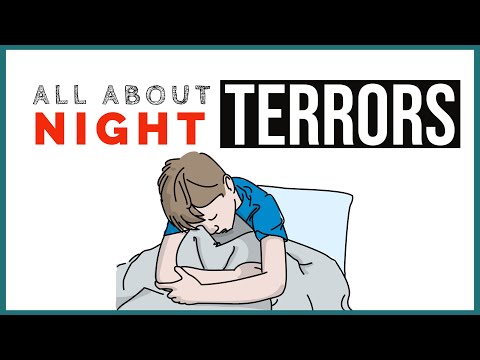
You know those nights when you wake up, heart racing, from a scream that wasn’t yours? Yeah, that’s a thing. It’s kinda wild how our minds work while we’re snoozing.
Sometimes, those nighttime screams can say a lot about what’s going on upstairs—your brain, I mean. It’s like your emotions are throwing a late-night party, and you weren’t invited.
So let’s chat about what all of this means. Seriously, there’s some real stuff we can unpack here about mental health and those creepy night terrors or vivid nightmares.
Unlocking the Mystery: What Screaming in Your Sleep Reveals About Your Mental Health
Screaming in your sleep, also known as sleep shouting, can definitely feel unsettling. You might wake up feeling disoriented, or maybe even a bit embarrassed. But what does it mean for your mental health? Let’s break it down.
When you scream in your sleep, it’s often tied to a few different things. Here are some key points to consider:
So yeah, if this is happening to you frequently, it could reflect what’s going on in your waking life. Let me tell you a quick story: I had a friend who started yelling in her sleep after she went through a tough breakup. The nights were filled with screams that echoed her inner turmoil—it was like her subconscious was reflecting all that hurt. Once she tackled those emotions through therapy and self-care, the nighttime yells faded away.
Another thing: sleep deprivation. Not getting enough shut-eye can mess with your mental state big time! When you’re exhausted, you’re more prone to anxiety and stress responses—even in the form of shouting while dreaming.
Sometimes it’s just temporary; maybe you’ve got something on your mind or you’re going through a change—like moving cities or starting a new job. Those types of transitions can shake up our dreams.
If you’re concerned about screaming in your sleep happening too often, checking in with a mental health professional isn’t a bad idea. They can help figure out if there’s an underlying issue worth addressing.
The takeaway? Screaming during sleep isn’t just random noise—it’s often linked to what’s happening inside us emotionally and psychologically. So paying attention to these signs could lead you toward understanding yourself better!
Understanding Night Terrors in Adults: Causes, Symptoms, and Effective Solutions
Night terrors, especially in adults, can be pretty unsettling. You might’ve heard about kids screaming and thrashing in their sleep, but adults? Yeah, they can get hit with this too. It’s not just disturbing for you; it can also freak out anyone sleeping next to you.
What are Night Terrors?
So here’s the deal: night terrors are a type of sleep disorder that usually happens during non-REM sleep. Think of it like this: you’re in a deep stage of sleep, and suddenly your brain goes into overdrive. It’s not just a bad dream; it feels way more intense.
Causes
There are quite a few reasons you might experience night terrors:
I remember this one friend who was juggling a ton of work deadlines and had night terrors that left her heart racing. She’d wake up screaming about being chased by monsters… all because of stress.
Symptoms
When it hits, the symptoms are hard to miss:
You know how sometimes anxiety hits during the day and feels like an elephant sitting on your chest? Well, imagine that feeling but amplified during the night when you’re supposed to be resting.
Solutions
Now let’s chat about what can help with these nighttime freakouts:
Therapy worked wonders for my buddy. She realized her night terrors were linked to unresolved anxiety from her past—once she started addressing those feelings, things got way better.
If you’ve been wrestling with these episodes regularly or they’re really affecting your life and relationships—you should definitely think about reaching out for help. It doesn’t have to keep spooking your nights away!
Effective Strategies for Managing Night Terrors in Adults: A Comprehensive Guide
Night terrors aren’t just for kids; adults can experience them too. It’s like waking up in a horror movie, but the bad part is you’re not really awake. You might scream, thrash around, or feel totally disoriented and scared—all while being mostly asleep. These episodes can be super distressing, not only for you but also for anyone sharing your space. So, let’s talk about some strategies to help manage those unsettling nighttime screams and their links to mental health.
First off, **understanding the triggers** can be a game changer. Stress is one of the big culprits here. Think about it: if your daily life is full of anxiety—work pressure, relationship issues—it’s gonna spill over into your sleep. Keeping a stress journal can help you see patterns in what’s bothering you.
Then there’s **sleep hygiene**, which is basically setting up your bedroom to be as chill as possible. Try to keep a consistent sleep schedule—going to bed and waking up at the same time daily helps regulate your internal clock. And seriously? No screens an hour before bed! The blue light messes with melatonin production and does not help at all.
Also consider **relaxation techniques** before hitting the hay. This could be deep breathing exercises or even some gentle yoga stretches to ease tension in your body. A little meditation might help clear that racing mind too.
Now, let’s chat about **environmental factors** in your bedroom. Is it dark enough? Too noisy? The ideal sleep space should be cool, dark, and quiet—you want it cozy! Earplugs or white noise machines might do wonders if you’re dealing with disruptive sounds.
Furthermore, don’t overlook the power of **nutrition** in managing night terrors. Avoid heavy meals right before bedtime; they can mess with your sleep cycle. And hey, cutting back on caffeine—especially later in the day—might help reduce anxiety levels that linger into the night.
Engaging in **regular physical activity** during daylight hours is also effective. It releases feel-good hormones called endorphins and helps reduce stress overall! Just don’t do intense workouts right before bed—that could rev you up rather than calm you down.
If night terrors become frequent or severe, seeking professional help is key. Therapy options like cognitive-behavioral therapy (CBT) can effectively address underlying issues such as anxiety or depression connected to night terrors—seriously worth considering if it’s affecting your life too much.
Finally, talking with others who understand what you’re going through—support groups or trusted friends—can really ease that burden you carry around silently at night. Sometimes just knowing you’re not alone makes a huge difference!
So yeah, managing night terrors isn’t just about stopping those nighttime screams; it’s also about creating a healthier lifestyle during the day that supports better sleep at night!
You ever wake up in the middle of the night, heart racing and your mind spinning? Like, your body’s wide awake, but your imagination is doing a horror movie rerun? That feeling can be super intense. Nighttime screams—or what folks call night terrors—might catch you off guard. They’re not just random freakouts; they often tie back to deeper mental health stuff.
So, let’s break it down a bit. Imagine you’re in a deep sleep, and suddenly you’re jolted awake screaming. You might not even remember why you were screaming! It’s like getting thrown from a dream into reality without a warning. A friend of mine went through this for years. He’d wake up soaked in sweat, frantically searching for the nightmare that felt so real but vanished like smoke the moment he opened his eyes. It was terrifying for him—and exhausting too.
What’s interesting is that these nighttime episodes can point to underlying stress or anxiety issues. Sometimes they pop up during tough times in life. Maybe you’ve got work stress piling up or are dealing with unresolved trauma—these factors can mess with your sleep big time. When our minds are overloaded during the day, it seems nighttime becomes this unwelcome playground for anxiety.
People often shrug off night terrors as just a weird phase or something only kids experience—but adults can go through it too! And if it keeps happening? That’s when it’s worth chatting with someone about it—like a therapist who gets this stuff. They can help explore what’s going on beneath the surface and offer some support.
And here’s where things get kind of tricky: there’s no one-size-fits-all answer. For some, lifestyle changes like reducing caffeine or practicing good sleep hygiene can help; for others, therapy may be key to unpacking those heavier issues lurking in the dark corners of their minds.
So yeah, those nighttime screams can sometimes feel like silent alarms pointing at emotional struggles we might not even recognize during our waking hours. It’s all connected—even if we don’t realize it right away! If you find yourself dealing with these outbursts at night—just know you’re not alone and there are ways to make things calmer when the sun goes down again.