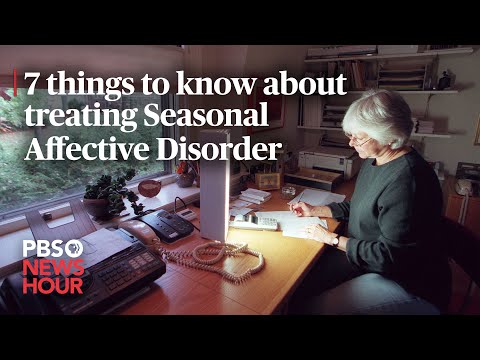
So, let’s chat about something that a lot of us might feel—seasonal affective disorder, or SAD, as it’s often called. You know those gray, gloomy days when everything just feels a bit heavier? Yeah, that’s what I’m talking about.
Imagine waking up and feeling like you’re still stuck in bed, even though the sun is shining. It’s like your brain has its own weather system, right? Some people just brush it off as the winter blues. But for others, it can hit harder than you’d expect.
The thing is, understanding SAD can really help you cope. We’ll dive into some real talk about what it is and how to deal with it. Because we all deserve to feel good—no matter what season it is!
Natural Remedies for Seasonal Affective Disorder: Effective Ways to Boost Your Mood
Seasonal Affective Disorder (SAD) can feel like a heavy blanket, especially during those dreary winter months when sunlight seems to vanish. But there are natural remedies you can explore that might help lift your spirits. Let’s chat about some effective ways to boost your mood when the days get shorter.
Light Therapy
One of the most popular methods for combating SAD is light therapy. This involves sitting in front of a special light box that mimics natural sunlight. It’s said to help regulate your body’s internal clock and boost serotonin levels, which can make you feel more upbeat. Just think about how relaxed you feel on a bright sunny day—that’s what this therapy aims to recreate.
Exercise
You might roll your eyes at this one, but seriously, moving your body can really work wonders for your mood. Regular exercise releases endorphins—those lovely little chemicals that help fight off feelings of sadness. It doesn’t have to be an intense workout, either; even a brisk walk can do the trick. Remember that one time you went outside just because it was sunny? That fresh air felt good, didn’t it?
Nutritional Support
What you eat matters more than you might think! Foods rich in omega-3 fatty acids, like salmon or walnuts, could be beneficial since they support brain health and emotional well-being. Incorporating more fruits and veggies into your meals also helps; it’s all about fueling your body with good stuff! Have you ever noticed how a yummy smoothie makes you feel refreshed? That’s what I’m talking about!
Vitamin D
Since winter means less sun exposure, consider taking vitamin D supplements if you’re not getting enough from sunlight. Some studies suggest that low levels of vitamin D might worsen mood disorders. You could even try fortifying foods like cereal or milk with vitamin D—just check labels carefully!
Meditation and Mindfulness
Taking time out of your day for mindfulness or meditation has been shown to reduce stress and improve overall mental health. It doesn’t have to be a full-on retreat; just take ten minutes in silence to focus on your breath or listen to calming music. The first time I tried meditating, I thought it wouldn’t work—but wow! It opened my eyes to how peaceful I could feel if I took just a moment for myself.
Social Connections
Don’t underestimate the power of connection! Surrounding yourself with friends or family—even virtually—can provide support and lift your spirits when you’re feeling low. Maybe plan regular get-togethers or join clubs based on interests you love! I remember this one winter when my buddies and I had movie nights every Friday—it made those dark evenings so much brighter.
So yeah, if you’re battling SAD this season, these natural remedies may offer relief and brighten up those gray days. Everyone’s different, so don’t hesitate to try out different methods till something clicks for ya!
Effective Strategies to Combat Seasonal Affective Disorder: Boost Your Mood Year-Round
Seasonal Affective Disorder, or SAD, can really throw a wrench in your mood. It’s that time of year when the days get shorter and colder, leaving many people feeling down and low on energy. You’re not alone in this; a lot of folks experience it. But there are some effective strategies you can try to combat those winter blues and boost your mood all year round.
First off, let’s talk about light. When the sun disappears behind those clouds, you might find yourself craving more bright stuff in your life. Light therapy is a pretty common go-to for SAD. It involves sitting near a special light box that mimics natural sunlight for about 20 to 30 minutes each day. This little ritual can help reset your body’s internal clock, giving you that boost of energy you might be missing.
Then there’s exercise. Yeah, I know – it might feel like the last thing you want to do when it’s cold outside. But seriously, getting your body moving releases endorphins, which are those feel-good chemicals in your brain. You don’t have to run a marathon; even a brisk walk around the neighborhood can make a difference. Plus, think about how nice it would be to see the world through fresh eyes!
Nutrition plays its part too. Eating healthy foods can actually help stabilize your mood. Think of meals rich in omega-3 fatty acids—like fish or walnuts—and plenty of fruits and veggies. They’re not just good for you physically; they also work wonders for your mental health by providing essential nutrients.
Social connections are huge when battling SAD as well. Sometimes it feels easier to hibernate during those dreary months, but isolating yourself won’t help at all. Reach out to friends or family and plan regular hangouts or virtual catch-ups to keep that social spark alive.
Here’s another one: mindfulness and meditation. Slowing down your thoughts and practicing mindfulness can greatly reduce stress and anxiety levels. Even just taking 10 minutes each day to focus on your breathing—seriously—can lead to greater emotional balance.
Lastly, if things feel particularly tough, don’t hesitate to seek professional help. Therapists have tons of strategies up their sleeves tailored just for you! Cognitive Behavioral Therapy (CBT) has been shown to be really effective for SAD sufferers by helping you change negative thought patterns into positive ones.
So basically, combatting Seasonal Affective Disorder is all about finding what works best for you—whether it’s soaking up some light therapy, diving into physical activity, reaching out socially or connecting with a mental health professional when needed! By using these strategies consistently throughout the year, you’ll find yourself feeling more upbeat—even when winter tries its best!
Effective Coping Skills for Seasonal Affective Disorder: Download Your PDF Guide
Seasonal Affective Disorder, or SAD, can really throw a wrench in your emotional gears. It’s like when summer melts into fall, and suddenly everything feels heavier, darker. You start to feel low energy, sad, or just plain off. The good news? There are some solid coping skills that can help you navigate this tricky time.
1. Get Outside
Even when it’s chilly and gray outside, getting some sunlight can work wonders. Exposure to natural light boosts your mood by increasing serotonin levels. So yeah, bundle up and take a brisk walk during the day. It doesn’t have to be long—just enough to soak in that light.
2. Stay Active
Exercise is your friend! Regular physical activity releases those lovely endorphins that make you feel good. Even a quick workout can help lift your spirits. Try to find something fun—maybe dancing around your living room! Who cares if it looks silly?
3. Maintain a Routine
SAD can mess with your sleep schedule and motivation. Sticking to a routine helps provide structure when everything feels chaotic. Set regular sleep and wake times, and try to eat meals at the same time each day too.
4. Connect with Others
We’re social creatures; isolation only adds fuel to the fire of SAD symptoms. Reach out to friends or family, have coffee together—even just chatting on the phone can help lift those dark clouds hanging over you.
5. Light Therapy
Consider investing in a light therapy box if natural sunlight isn’t an option for you due to long winters or cloudy days. These specialized lamps mimic sunlight and can seriously help reduce symptoms of SAD.
6. Mindfulness and Relaxation Techniques
Incorporate practices like yoga or meditation into your daily routine. Taking just a few minutes each day can ground you and reduce anxiety levels associated with SAD.
7. Healthy Eating
What goes into your body affects how you feel emotionally too! Eat balanced meals rich in fruits, veggies, whole grains, and lean proteins. Try not to go overboard on sugar; it might give you a boost but then leaves you crashing hard later.
While these skills are great for managing seasonal gloominess, remember: if things become overwhelming or unbearable, talking with a therapist could be beneficial too—they’re trained for times like these!
SAD isn’t just something we brush aside; it’s real for many people during these changing seasons.. By incorporating some of these coping skills into your life, not only do you stand a better chance of beating back the winter blues but also emerge healthier emotionally when spring finally arrives!
Seasonal Affective Disorder, or SAD as it’s often called, can feel like this heavy blanket that just won’t budge, especially during those gray winter months. You know how it goes—when the days get shorter and the sun plays hide-and-seek, some folks find themselves wrapped in a cozy cocoon of sadness instead of enjoying that hulking mug of hot cocoa.
I remember a winter when I had a friend who just couldn’t shake off this funk. She would joke about how she turned into a bear who hibernated from life. Seriously, you could see her energy drop like the temperature outside. Mornings were rough; waking up felt like dragging herself out of molasses. And while she made it look easy to smile and joke around, behind that facade was something deeper—a real struggle with motivation and mood.
Navigating SAD involves understanding your body’s reaction to the changing light. You might notice feelings of hopelessness or fatigue creeping in as daylight wanes. The thing is, this isn’t just about feeling “the winter blues.” It’s more about how those feelings can really affect your daily life.
But there are ways to cope! Light therapy is one route people try; special lamps can mimic sunlight and give you that little boost when the sky stays gray forever. You might wanna look into getting one if you find yourself feeling low during those darker months.
Then there’s getting outside whenever you can! Even on cloudy days, some natural light is better than none. Movement helps too—getting your blood pumping releases those feel-good chemicals in your brain, which can help brighten your mood just a bit.
And let’s not forget connection; reaching out to friends or family can make all the difference. It’s wild how sharing what you’re going through can lighten the load. Just being able to talk about this stuff makes it feel less isolating.
So if you’re navigating SAD or know someone who is? Just remember that you’re not alone in this battle against gloominess. There are ways through it; check in with yourself and maybe even chat with a pro if things feel too heavy to carry on your own.
At the end of the day, taking care of our mental wellness becomes even more crucial when we’re knee-deep in winter vibes. So go ahead—snuggle up with a book, find that cozy spot by a window where sunlight peeks through (if you’re lucky), and take it one day at a time!