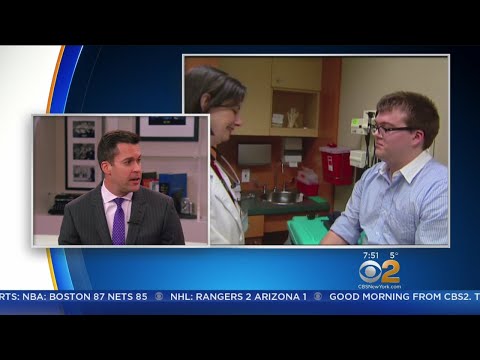
You know that feeling when winter hits, and everything just feels… heavier? You wake up, it’s dark outside, and you can barely muster the energy to get out of bed. Yeah, that can be more than just the winter blues.
Some folks experience something called Seasonal Affective Depression or SAD. Sounds a bit intense, right? But it’s real, and lots of people go through it.
Maybe you’ve found yourself craving comfort food or feeling low for no good reason. Trust me, you’re not alone in this! Let’s chat about what to look for if this chilly season starts weighing you down.
Effective Strategies for Treating Seasonal Affective Disorder: Boost Your Mood This Winter
So, you know that heavy feeling you get when winter rolls around? Yeah, that’s pretty common. A lot of folks experience what’s called **Seasonal Affective Disorder (SAD)**. It’s like your mood hibernates right along with the bears. Let’s chat about some effective strategies to help lift your spirits during these gray months.
First off, recognizing the symptoms is crucial. You might feel like you have low energy, trouble sleeping, or maybe you just can’t shake that feeling of hopelessness. It’s like being caught in a permanent cloud cover. But don’t worry! There are ways to deal with it.
Light Therapy is often one of the first things people try. You sit in front of a special lamp that mimics natural sunlight. The bright light helps your brain produce more serotonin—the feel-good hormone—making you feel a bit more alive. Just remember to use it in the morning for best results!
Another great strategy is staying active. Exercise can boost your mood and energy levels thanks to those endorphins kicking in. Even if it’s cold out, things like indoor yoga or hitting the gym can really help lift those winter blues. You could even try brisk walking indoors at a mall—seriously! Walking while window shopping might do the trick.
Don’t underestimate the power of social connections. Sometimes just chatting with friends or family can lighten your mood. Try setting up regular catch-ups, whether in person or virtual coffee dates—whatever works! Talking about how you’re feeling can make a huge difference because you’re not doing this alone.
Then there’s nutrition. What you eat affects how you feel, so think about loading up on those bright fruits and veggies and staying hydrated too! Foods rich in omega-3 fatty acids (like fish) can also be helpful for mental health.
If things get really tough, talking to a professional might be necessary. Therapy can provide support and tools to navigate SAD more effectively—it’s all about finding what resonates with you. Cognitive Behavioral Therapy (CBT) has been shown to work well for SAD by helping shift negative thinking patterns.
Finally, stay connected with nature if possible; even short walks outside on sunny days can help! Sunlight exposure helps regulate your circadian rhythms and boosts your mood some too.
Just remember: winter isn’t forever, and you’re not alone in feeling this way. By actively engaging with these strategies, you’ll find brighter days ahead—even when it feels snowy and gray outside!
Recognizing the Signs of Seasonal Affective Disorder (SAD): A Comprehensive Guide
It’s that time of year again when days get shorter and the weather gets colder. You might notice that your mood takes a dip, and it’s not just because of the holiday stress. That sluggish, down-and-out feeling can sometimes be a sign of **Seasonal Affective Disorder (SAD)**.
So, let’s break this down into what you might want to look out for. First off, SAD is a type of depression that usually kicks in during the colder months. It can really affect how you feel and function day-to-day. Here are some signs:
- Low Energy: Feeling extra tired or sluggish? Like, even simple tasks feel like climbing a mountain? That could be a sign.
- Changes in Sleep Patterns: You might find yourself sleeping way more than usual or having trouble sleeping at all.
- Appetite Changes: Some people crave carbs or sugary stuff more when they’re feeling down, while others lose interest in food altogether.
- Loss of Interest: Hobbies you used to love might seem boring now, like you just can’t muster up any enthusiasm.
- Social Withdrawal: If you’d rather stay in than hang out with friends or family, that’s also worth noting.
- Irritability or Anxiety: You may feel cranky and on edge—like little things just set you off for no reason at all.
But here’s the kicker: SAD isn’t just about feeling sad. It can bring on these other symptoms making daily life tough. For example, a friend of mine used to love hiking in the fall but come wintertime; he could barely get off the couch. He felt trapped by this seasonal gloom and couldn’t figure out why.
Now, how do we go about recognizing if it’s actually SAD or maybe just general winter blues? One key factor is timing. If these feelings come back every winter around the same time and lift up as spring rolls around—that’s a strong clue it could be SAD.
Also crucial is knowing that anyone can experience this condition, but certain folks might be more vulnerable—like those who live far from the equator where sunlight hours are really limited during winter.
If you’re nodding along to some of these symptoms, don’t hesitate to reach out for support! Talking to someone—a friend, family member, or even a mental health professional—can make such a difference. Seriously.
In summary: recognizing signs of SAD isn’t always straightforward but being tuned into your mood changes as seasons shift is key. It helps you respond sooner rather than later! Just remember—you’re not alone in this seasonal struggle; many others understand exactly what you’re going through.
Understanding Seasonal Affective Disorder: Prevalence and Insights
Seasonal Affective Disorder (SAD) is a type of depression that shows up during certain seasons. You’ve probably noticed how some people get a bit down when winter rolls around. Well, that’s not just in their heads. For many, it’s a real thing.
The symptoms of SAD can mimic major depression but usually come and go with the seasons. In the fall and winter months, you might feel more moody, sleepier, or have changes in your appetite. Maybe you’re craving carbs more than usual or finding getting out of bed feels like climbing a mountain. Seriously, it can be tough.
Some common symptoms include:
- Low energy: Feeling tired all the time? You’re not alone.
- Changes in sleep: Some people oversleep while others struggle to catch any Zs.
- Feelings of hopelessness: It’s like an emotional fog that just won’t lift.
- Cognitive difficulties: Trouble concentrating can make everyday tasks feel overwhelming.
- Changes in weight: Some folks eat way more and pack on pounds; others might lose their appetites.
And here’s something interesting: SAD affects more people than you might think. It’s estimated to happen in about 6% of the population in the U.S., but that number can skyrocket—especially in places with long winters and less sunlight. If you live up north where the days are shorter during winter, your chances of experiencing SAD might be higher.
But don’t let the numbers fool you; it doesn’t affect everyone equally. Women are diagnosed with SAD much more frequently than men. Scientists think hormone levels could play a part here—estrogen fluctuations could mess with mood regulation for women.
Now, what about treatments? There are actually quite a few options out there:
- Light therapy: This involves sitting by a special light box that mimics sunlight for about 30 minutes each day.
- Cognitive Behavioral Therapy (CBT): Talking to someone who gets it can change your perspective and help manage those feelings.
- Meds: Sometimes doctors prescribe antidepressants if symptoms are severe enough.
And yeah, some people find they can manage by getting outside more when it’s sunny or even planning activities they enjoy during those gloomy months. It’s kind of like playing defense against those dark clouds hovering over your mood.
But let me tell you—a friend of mine struggled with this for years before realizing what was going on. She thought she was just being lazy or moody every winter until she finally talked to someone who helped her connect the dots. Once she started light therapy and spent time outdoors whenever she could, things turned around for her.
In short? If you or anyone else is struggling with feeling low when seasons change, it might be worth looking into Seasonal Affective Disorder. Knowing you’re not alone in this struggle is pretty crucial; we all deserve to feel good no matter what time of year it is!
Winter can feel like this never-ending stretch of gray, right? The days are short, the air is cold, and it seems like the sun has taken a permanent vacation. It’s totally okay to feel a little low during this time, but for some folks, that feeling runs deeper. We’re talking about Seasonal Affective Depression (SAD). It can hit hard when the seasons change.
You know how sometimes you just feel a bit off without knowing why? Well, with SAD, things can get serious. You might notice you’re sleeping way more than usual or struggling to drag yourself out of bed. Maybe you find yourself craving carbs like there’s no tomorrow and feeling pretty apathetic about things you usually love—like watching your favorite show or catching up with friends. It’s kind of like being wrapped in this heavy blanket that just makes everything feel… heavier.
I remember when a friend of mine went through this. She loved painting and would often spend hours lost in her art. But during one winter, she just couldn’t find the motivation to pick up a brush. Instead, she spent days binge-watching shows and feeling guilty for not doing anything productive. It was tough to see someone so passionate drown in their own thoughts.
This fatigue isn’t just physical; it messes with your mind too. You might feel hopeless or even cranky for no real reason. Ruminating on negative thoughts can become an all-too-familiar pastime when you’re stuck inside your head.
But here’s the thing: recognizing these symptoms is so important! The sooner you notice what’s happening inside yourself or someone you care about, the better chances you have at finding ways to cope. Sometimes getting sunlight—real sunlight—is limited in winter, but light therapy lamps can help mimic those sunny vibes indoors.
Talking it out with friends or professionals can also ease that weight on your shoulders. Remember: it’s totally okay to ask for help or seek support from people who get it.
Just remember—you’re not alone in this seasonal struggle; many others are navigating those dark days too. And spring always comes around eventually!