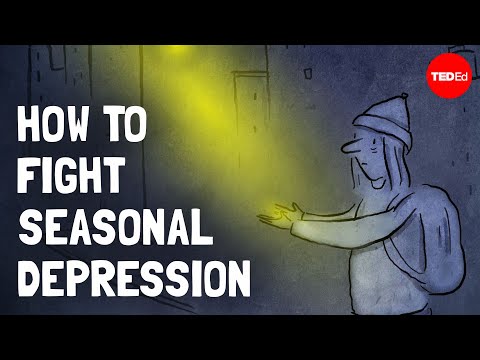
Okay, so let’s talk about the whole winter blues thing. You know, when the days get super short and the sun seems to disappear? That feeling isn’t just in your head.
Some folks really struggle this time of year. They’ve got something called Seasonal Affective Disorder, or SAD for short. It sounds kind of dramatic, but honestly, it can hit hard.
Imagine waking up to a gloomy sky day after day. It’s tough to shake off that heavy feeling. Seriously, it’s like your energy just gets zapped!
We’re gonna dig into this–what it feels like and how it messes with your mind. Plus, we’ll chat about ways to cope when winter feels too long. Stick around; it might hit home for you or someone you care about!
Understanding Seasonal Affective Disorder: Is It a Psychological Disorder?
Sure thing! Let’s chat about Seasonal Affective Disorder, or SAD for short. It’s one of those things that can really throw a wrench in your mood, depending on the time of year.
So, what is SAD? It’s basically a type of depression that hits during certain seasons, usually when the daylight fades away in winter. That lack of sunlight can mess with your brain and make you feel pretty down.
The psychological impact is significant. You might feel tired all the time, like you just don’t have the energy to do anything. Or maybe you notice changes in your sleep patterns—like oversleeping or having trouble falling asleep at all. Some people crave comfort foods more than usual, which can lead to packing on a few extra pounds.
Here are some common signs and symptoms:
- Persistent sadness or low mood.
- Lack of interest in activities you usually enjoy.
- Low energy levels and fatigue.
- Changes in sleep patterns—either sleeping too much or too little.
- Feeling hopeless or worthless at times.
It’s important to know that SAD isn’t just a simple case of “the winter blues.” It’s considered a psychological disorder because it can seriously affect your day-to-day life. Your ability to function at work or interact with friends might take a hit.
Interestingly enough, scientists think it has something to do with how our bodies react to light. When it gets darker outside, our brains produce less serotonin (that happy chemical) and more melatonin (the sleepy one). So yeah, it’s got a biological root but also major emotional consequences.
You know someone who might be affected by this? Maybe they start feeling down each November and then snap back into shape come springtime. That cycle can be pretty frustrating for them—and even isolating.
Actually getting treated for SAD is similar to addressing other types of depression. Practices like therapy are really helpful; talking things out with someone can give you perspective you didn’t have before. Light therapy is another common approach where you sit near bright lights that mimic natural daylight.
In summary, Seasonal Affective Disorder is legit—it has psychological roots and real impacts on people’s lives during those darker months—and understanding it can help us support ourselves and others who struggle when the seasons change. So if winter makes you feel like hiding under your covers all day? You’re not alone!
Understanding Seasonal Affective Disorder (SAD): Symptoms, Causes, and Treatment
Seasonal Affective Disorder (SAD) is like that unwelcome guest who shows up every winter and overstays their welcome until spring. Seriously, it’s a type of depression that’s connected to changes in the seasons, particularly during the gloomy months when daylight is scarce. Mainly, it sneaks in during fall or winter, and for some, it can be a real downer. So, let’s break this down a bit.
Symptoms of SAD can really feel like you’re trudging through mud. You might notice:
- Feeling tired or lethargic
- A significant change in sleep patterns
- Struggles with concentration or making decisions
- Increased appetite, often craving carbs
- Withdrawing from friends and family
- A general sense of hopelessness or irritability
If you’ve ever felt super low when those gray clouds hover around for weeks on end, you’re not alone. I remember a friend of mine who would just turn into a total hermit come November. She’d skip plans and just cozy up with her blankets—it was like she was hibernating! That dreariness can hit hard.
But what causes SAD? Well, the exact reasons are still being studied, but there are some key players:
- Lack of sunlight: With shorter days during winter, your body might produce less serotonin—a chemical that helps regulate mood.
- Circadian rhythms: These are your internal clocks that help manage sleep-wake cycles. When they get out of whack due to less light exposure, it can throw your mood off.
- Mood disorders: If you have a history of depression or another mood disorder, you may be more vulnerable to SAD.
You see? It’s not just “being lazy” or “not trying hard enough.” There’s some serious stuff happening biochemically when those sun rays disappear.
Treatment options for SAD can vary quite a bit depending on how severe symptoms are. It’s not one-size-fits-all! Some common approaches include:
- Light therapy: This involves sitting by a special light box that mimics natural sunlight. Many people find their mood lifts with this kind of exposure!
- Cognitive-behavioral therapy (CBT): Working with a therapist on changing negative thought patterns can be super effective in managing symptoms.
- Antidepressant medications: Sometimes these are prescribed if symptoms don’t budge with other treatments—seriously worth discussing with a doctor.
- Lifestyle changes: Regular exercise and maintaining social connections can also play big roles in managing SAD.
You know what? It’s crucial to listen to yourself during these tough months. If you find yourself trapped in that seasonal sadness spiral, reaching out for help is absolutely okay! You don’t have to go through it alone—there are people and resources available to support you.
The whole journey through Seasonal Affective Disorder brings its challenges but remember: by understanding it better and exploring treatment options, brighter days are within reach!
Understanding the Root Causes of Seasonal Affective Disorder (SAD): Insights and Solutions
Seasonal Affective Disorder, or SAD, can feel like a cloudy blanket slowly wrapping around you when the colder months hit. The thing is, it’s more than just winter blues. It’s a real mood disorder that affects many people—especially when daylight savings rolls around and the sun runs away for a few months.
So, what causes this? Well, researchers have pointed to several factors that seem to play into it. One biggie is how light affects your brain. You see, our bodies have this little internal clock called the circadian rhythm. It depends on natural light to keep things running smoothly. When the days get shorter and darker, your body might confuse that with a cue to slow down and hibernate.
Another factor is serotonin levels. This chemical in your brain is linked to mood regulation. Less sunlight means less serotonin production, which can lead straight into those low feelings associated with SAD. And let’s not forget about melatonin—this hormone helps regulate sleep-wake cycles, but during those long nights of winter, too much melatonin can leave you feeling groggy and low-energy.
You might be thinking about how this really plays out in daily life. For some folks, it means struggling with motivation at work or school when all they wanna do is stay under the covers with some hot cocoa (totally relatable!). Others may find their social lives taking a hit; it’s tough to meet friends for that coffee date when you’re feeling heavy and don’t wanna leave home.
Let’s talk solutions because dealing with SAD can be overwhelming but not impossible! Here are some strategies that might help:
- Light Therapy: This involves sitting by a special light box designed to mimic natural sunlight for about 20-30 minutes each day.
- Exercise: Seriously! Getting active releases endorphins—it boosts your mood naturally.
- Therapy: Talking things out with a therapist can be beneficial; cognitive-behavioral therapy (CBT) specifically has shown positive results.
And here’s a personal touch: I remember hearing from a friend who used to struggle every winter with SAD. She started using her light box while making breakfast each day and paired it with her favorite morning playlist. Gradually, she noticed that she felt more energized and ready to tackle her day instead of just wishing for spring!
So yeah, understanding why seasonal changes affect us so deeply gives us insight into how we can fight back against those gloomier months! Recognizing it’s not just «in your head» helps take off some of that weight too. Remember: if you’re struggling through these darker times, you’re not alone—and reaching out for help can be the first step towards brighter days ahead!
Seasonal Affective Disorder, or SAD for short, is one of those things that people might shrug off as just “the winter blues.” But, look, if you’ve ever felt that heavy cloud over your head when the days get shorter and the sun takes a vacation, you know it’s more than just feeling a bit down. It’s real, and it can impact your life in some significant ways.
Let’s think about Sam for a moment. Every fall, this friend of mine would seem to slump into a funk. He’d go from being the life of the party to someone who barely wanted to get out of bed. I remember one year, we had plans to grab dinner, but he canceled at the last minute—said he was just too tired and didn’t feel like socializing. I totally got it; after all, who hasn’t had those gray days where everything feels heavier? But when I realized Sam couldn’t shake it off for months on end—it hit me that something deeper was going on.
What happens with SAD is that as the seasons shift—especially when winter rolls in—the lack of sunlight can mess with our internal clock. You know that whole biological clock thing? Well, it’s called your circadian rhythm. When we don’t get enough light exposure, it can throw our mood outta whack and lead to feelings of hopelessness or anxiety. Seriously! That dull ache in your chest during those long winter months? It’s not just you being lazy or moody; there’s actual science behind it.
And this isn’t just about feeling bummed out either. It can affect relationships too. For Sam, his friends started noticing his absence at gatherings or even casual hangouts. We didn’t understand why he pulled away until he opened up about what he was going through; there was guilt mingling with his sadness because he felt like he was letting us down by withdrawing.
It’s crucial to remember that dealing with SAD is tough and not something folks can just “snap out” of. Some people find relief through light therapy—where they sit in front of a special lamp designed to mimic sunlight—or even talking things through with a therapist who gets what they’re experiencing. Just knowing you’re not alone in this struggle makes a world of difference too.
So next time someone brushes off their winter woes or someone like Sam retreats into their shell again, take a moment to think about what might be going on beneath the surface. Sometimes all we really need is a friend who will listen and understand how tough these seasonal shifts can be on our minds—and hearts—for that matter!