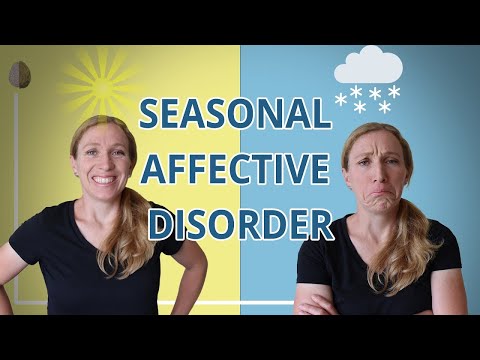
You know those days when the sun just won’t show up? Yeah, those can feel pretty rough.
Seasonal Affective Disorder, or SAD for short, hits a lot of folks when winter rolls around. It’s like a cloud of gloom just settles in.
But hey, we’re not helpless here. There are some solid ways to cope and take care of yourself through it all.
Self-care isn’t just a buzzword; it really can make a difference. You might be surprised at how little changes can help you feel brighter.
So let’s chat about some easy self-care strategies to lift that foggy feeling and bring back some sunshine. Sound good?
Effective Strategies for Overcoming Seasonal Affective Disorder: Tips for Mental Wellness
Seasonal Affective Disorder, or SAD for short, can really take a toll on your mood when the days get shorter and the weather gets colder. You might feel more sluggish or down, and that’s totally valid. If you’ve ever felt like a bear in hibernation, you’re not alone. So, let’s explore some effective strategies for overcoming SAD to help boost your mental wellness during those gloomy months.
Light Therapy is one of the go-to treatments for SAD. Basically, it involves sitting near a special light box that mimics natural sunlight. You usually do this for about 20 to 30 minutes each morning. It can really help to lift your spirits when there’s less sunlight outside. But remember, consistency is key here! If you forget one day, it might throw off your groove.
Another great way to combat SAD is through physical activity. Regular exercise doesn’t just keep your body fit; it releases those feel-good chemicals called endorphins. Even a simple walk around the block can make a difference. Think of it as giving your brain a little pep talk while you move!
Don’t underestimate the power of social connections. When you’re feeling low, reaching out to friends or family can be super helpful. You don’t have to put on a happy face; just sharing how you feel can lighten that mental load. Maybe grab coffee with someone or have a video call if meeting up isn’t possible.
Then we have mindfulness and meditation. These practices can ground you during tough times and give your mind a break from swirling thoughts. There are loads of free apps out there that guide you through meditation; try one! Just taking even five minutes to breathe deeply and focus on the moment can create calm in what feels like chaos.
Nutritional changes also play an important role in managing SAD symptoms. Eating well-balanced meals with plenty of fruits and vegetables can fuel your body right! Some people find that taking vitamin D supplements helps too—after all, our bodies crave that sunshine vitamin when we’re lacking exposure to sunlight.
Finally, setting realistic goals plays into feeling better too! When you’re feeling down, even small tasks can seem overwhelming. Break things down into manageable steps instead of trying to tackle everything at once. Celebrate little wins because they count!
So there you have it—some strategies for coping with Seasonal Affective Disorder through self-care practices! It’s all about finding what resonates with you and making small changes that could lift your spirits as those long winter months roll around again. Sometimes these little shifts bring big changes to how we feel overall, so give them a shot!
Effective Natural Remedies to Alleviate Seasonal Affective Disorder Symptoms
Seasonal Affective Disorder, or SAD as most folks call it, can really put a damper on your spirits when the days get shorter and darker. You know the feeling, right? It can feel like you’re walking through fog. But don’t worry; there are some natural remedies that might help lift that cloud just a bit!
First off, light therapy is a biggie. This involves sitting in front of a special light box that mimics sunlight. Many people find that using this for about 20 to 30 minutes each morning can make a noticeable difference. It’s like giving your brain a mini vacation to sunnier days!
Next up is exercise. Seriously, getting those endorphins flowing with even just a brisk walk can change your mood significantly. Aim for at least 30 minutes most days if you can manage it. It doesn’t have to be intense—just enough to get your body moving and heart pumping helps clear the mental cobwebs.
Then there’s dosing up on vitamin D. If you’re not getting enough sunlight during the winter months, your body might miss out on this vital vitamin that supports mood regulation. Some people take supplements, while others try to get it from foods like fortified milk or fatty fish. Just be sure to check in with your doc before starting any new supplements!
Another good one is staying connected with friends and family. When winter feels long and isolating, reaching out to loved ones can be like sunshine on a gloomy day. Even if you just shoot them a text or set up virtual hangouts, these connections really matter.
You should also consider mindfulness and meditation. Taking some time each day to breathe deeply and focus on the present can help calm anxious thoughts related to SAD. Apps or online videos can guide you through simple practices—even five minutes counts!
Finally, don’t underestimate good nutrition. Eating balanced meals with plenty of fruits and veggies can give you the energy boost you need. Try incorporating omega-3 fatty acids from sources like walnuts or chia seeds into your diet, since they’ve been linked to better mood regulation.
So yeah, coping with Seasonal Affective Disorder doesn’t have to feel like fighting an uphill battle all on your own! By combining these natural remedies—like light therapy, exercise, vitamin D intake, staying connected with loved ones, mindfulness practices, and good nutrition—you might just find yourself feeling a bit brighter as spring rolls around!
Effective Coping Skills for Seasonal Affective Disorder: Download Your Free PDF Guide
Seasonal Affective Disorder, or SAD, can hit you like a ton of bricks when the days get shorter and the skies turn gray. It’s pretty common, especially in places where winters are long and dreary. The thing is, it’s not just about feeling “a bit down.” It can really affect your mood, energy levels, and even how you interact with your friends and family.
So, let’s talk about some effective coping skills that can help you deal with SAD.
Light Therapy is a big one. You know those bright light boxes? They mimic natural sunlight and can do wonders for your mood. Try sitting in front of one for about 20 to 30 minutes every morning. It might sound odd at first, but trust me; people often see improvements within just a few days.
Exercise is another powerful tool. I know it can be tough to motivate yourself when it’s cold outside, but even a quick walk can help lift your spirits. Seriously! Just getting that blood pumping releases endorphins which are often called «feel-good» hormones.
And how about nourishing your body? Yeah, what you eat matters more than you think! Foods rich in omega-3 fatty acids like salmon or walnuts might help alleviate some of those pesky symptoms. Plus, don’t forget fruits and veggies—they give your body essential nutrients that improve overall well-being.
Another thing to consider is keeping a routine. When the outside world feels chaotic or gloomy, having a structured daily plan—like consistent sleep patterns—helps create stability in your life. This doesn’t mean being rigid; it just helps ground you.
Also, never underestimate the power of social support. Reach out to friends or family when you’re feeling low. Just talking about what you’re going through can lighten the load significantly. Sometimes sharing a good laugh or reminiscing about fun memories can bring a spark back into your life.
Meditation and mindfulness practices are also wonderful for coping with SAD. Taking just a few minutes each day to breathe deeply and focus on the present can really calm that mental chatter in your head.
While these strategies aren’t instant fixes—like flicking a switch—they do make a difference over time. And hey, if you’re looking for more structured information on this stuff, there are free resources like PDFs that guide you further into self-care techniques specifically for seasonal affective disorder.
So remember: with some self-care strategies in your corner, battling SAD doesn’t have to feel like an uphill climb all winter long! You’ve got this!
Seasonal Affective Disorder, or SAD, is like that unwelcome guest who shows up around the holidays and just won’t leave. You know? As the days grow shorter and the weather gets colder, some of us can feel a heavy weight creeping in, dragging down our mood and energy levels. I remember a winter when all I wanted to do was snuggle up under a blanket and hibernate until spring. But then I thought about how much I missed feeling human, being social, and enjoying life.
Self-care became my lifeline during those darker months. It’s pretty amazing what small things can shift your mood. Like, just getting outside for a walk—even if it’s cold—can help spark that little bit of joy. The sun might be weak, but hey, it still counts! Sometimes I’d walk with a friend or even just crank up my favorite playlist while getting some fresh air. It made such a difference.
And then there’s the whole cozy vibe of winter… warm drinks, thick socks, comfy sweaters! Honestly, indulging in those small pleasures lifts me up when the skies are gray. Hot chocolate? Yes please! Watching movies cuddled up on the couch? Count me in! These little activities become anchors for joy amidst the gloom.
But self-care isn’t just about physical comforts. It’s also about nurturing your mind. Journaling helps too; pouring out my thoughts or doodling away those worries can clear up so much mental fog. Even though sometimes it feels silly to write down what I’m feeling—I mean who really wants to admit they’re feeling kinda blah?—it works wonders.
Reaching out to others is another biggie for me. Isolation sets in so easily during winter months, but connecting with friends or family—even through text or calls—gives that warm and fuzzy feeling inside. Just knowing someone else gets it makes you feel less alone.
And let’s not forget about professional support if things get really tough. Therapy can offer tools and strategies tailored just for you—you deserve that support! Sometimes talking things out with a pro can shed light on patterns you might not see yourself.
At the end of the day, coping with SAD is about finding what works for you personally; figuring out how to recharge your spirit when everything around feels dimmer than usual. We gotta take care of ourselves so we can ride out these chilly months together—and come out smiling when spring finally rolls around!