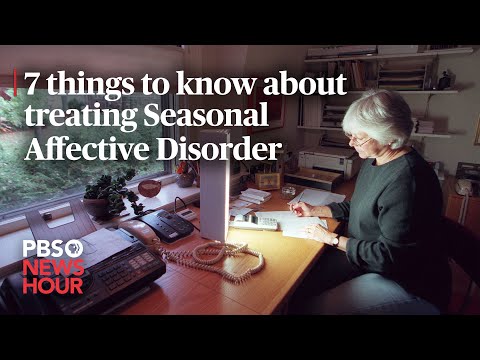
You know those long, gray winter days? The ones that make you wanna just curl up under a blanket and hibernate? I get it.
Seasonal Affective Disorder, or SAD for short, can really sneak up on you when the sun hangs low in the sky. It’s not just about feeling a bit down; it can hit hard and mess with your mood.
But here’s where it gets interesting. Vitamin D3 could be a game changer for some folks dealing with SAD. Yeah, seriously!
So let’s chat about how this sunshine vitamin might help brighten those dark days and lift your spirits. Ready?
Boost Your Mood: The Role of Vitamin D and D3 in Combating Seasonal Depression
Feeling down during the colder months? You’re not alone. Seasonal Affective Disorder, or SAD, is a type of depression that hits when the days get shorter and darker. And it can be a real struggle. But did you know that something as simple as Vitamin D—especially Vitamin D3—might help lift your spirits?
Vitamin D is often called the «sunshine vitamin.» That’s because our bodies make it when sunlight hits our skin. But during winter, with less sun around, many folks find their levels dropping. And this drop could be linked to those feelings of sadness and fatigue.
So, what’s the role of Vitamin D3 specifically? Here’s the lowdown:
- Boosting Serotonin Levels: Research suggests that Vitamin D might help increase serotonin, a chemical that’s all about mood regulation. Higher serotonin means a happier you!
- Improving Sleep: Low Vitamin D levels can mess with your sleep patterns. Good sleep is crucial for emotional health, so it’s important to keep those levels up.
- Supporting Your Immune System: Winter bugs can add to feeling crummy. Vitamin D3 helps fortify your immune system; so staying healthy can keep your mood from dipping even lower.
Now, I remember talking to a friend who always felt blue each winter. She tried everything—light therapy, exercise—you name it. One day she mentioned her doctor suggested checking her Vitamin D levels. Turned out she was pretty deficient! After taking some supplements and getting outside more on sunny days, she noticed a difference in her mood. It was like someone had flipped a switch.
Of course, before diving into any supplements or big lifestyle changes—it’s best to chat with a healthcare professional first! They can give you tailored advice based on your unique needs.
Incorporating foods rich in Vitamin D into your diet can also help! Think salmon, egg yolks, and fortified foods like cereal or milk.
In short, if you’re feeling low during the winter months, consider looking into your Vitamin D levels! It might just be the missing piece in tackling those blues associated with SAD.
Optimal Vitamin D3 Dosage for Alleviating Seasonal Depression: A Comprehensive Guide
When the days get shorter and the chill kicks in, some folks start feeling a bit low, right? That’s where Seasonal Affective Disorder (SAD) comes into play. Basically, it’s a type of depression that happens at a certain time of year, often in winter. It can be tough to handle, but here’s where Vitamin D3 steps into the limelight.
So, what’s the deal with Vitamin D3? Well, our bodies make it when we get sunlight. But during those gloomy months, especially in northern areas where there’s not much sun, we kinda fall short on this essential vitamin. Studies show that low levels of Vitamin D can worsen symptoms of SAD. It helps regulate mood and keeps your brain functioning well.
You might be wondering: “What’s the optimal dosage?” Here’s the scoop:
- General Recommendations: Most experts suggest between 600 to 800 IU (International Units) per day for adults. Some say higher doses up to 2000 IU may be beneficial for alleviating symptoms related to seasonal depression.
- The Importance of Testing: Before you just dive into taking high doses, it’s wise to get your vitamin D levels checked by a healthcare provider. They can help tailor the dosage specifically for you, based on your current levels and needs.
- Adequate Sun Exposure: If you’re able to soak up some sun even in winter—for instance, during a sunny day—try and get at least 15-30 minutes of sunlight on your skin without sunscreen if possible.
- Mood Monitoring: While supplementing with Vitamin D3, keep an eye on how you’re feeling. Improvements might take some time. Maybe jot down your mood daily. It can help figure out if what you’re doing is actually helping or if adjustments are needed.
- Dietary Sources: You could also boost your intake through food! Fatty fish like salmon or sardines and fortified foods like milk or orange juice are good sources of Vitamin D3.
If you find yourself feeling more down during those darker months—like when it gets dark at 4 PM—consider giving Vitamin D3 a shot as part of your strategy against SAD. Many people report feeling better once they start upping their vitamin levels!
A little personal story here: I once had a friend who struggled through winter every year until she started taking supplements regularly. At first she was skeptical but after a couple months she mentioned it was like someone flipped a switch! She felt lighter and more energized when spring finally rolled around.
Anyway, just remember: while Vitamin D3 can play an important role in managing seasonal depression, it doesn’t replace professional treatment if you need it—like therapy or medication if things get heavy. But as part of an overall wellness plan? It could make those long winter days feel a bit less dreary!
If you’re considering making changes to your routine or starting any supplement regimen for managing seasonal affective disorder, always seek input from your healthcare provider first! The beauty is that everyone is different; finding what works best for you takes time and patience.
Exploring the Benefits of Vitamin D3 for Combating Seasonal Depression: Insights from Reddit Discussions
Seasonal Affective Disorder, or SAD, is like that annoying friend who shows up every winter and overstays their welcome. You know, it brings low energy, sadness, and a major case of the blues when the days get shorter. One way people have been talking about tackling this heavy feeling is through Vitamin D3. There’s plenty of chatter on Reddit about how this vitamin might help.
First off, many folks mention how **Vitamin D3** can play a role in mood regulation. It’s thought that when sunlight hits our skin, our bodies produce Vitamin D. But during those cold months or if you’re living in a place with less sunshine, it gets tricky. You end up feeling kind of blah without that natural boost.
A lot of Reddit threads highlight how users noticed a difference after taking Vitamin D3 supplements. Some say they felt more energized and less down in the dumps after just a few weeks! Isn’t it interesting how something so simple can change your whole vibe?
A common point brought up is dosage. People often discuss what’s worked for them personally. Some suggest starting at around **1000 to 2000 IU** daily and then adjusting based on how you feel. It’s like finding your sweet spot for happiness!
Many also talk about combining Vitamin D3 with other lifestyle changes to combat SAD effectively:
- Light Therapy: This involves sitting near specialized lamps that mimic sunlight.
- Exercise: Getting your body moving can really lift your spirits.
- Healthy Diet: Eating enough nutrient-rich foods supports overall well-being.
There are even mentions of people getting tested for their Vitamin D levels before starting supplements. Knowing where you stand could help tailor your approach better.
However, some Redditors remind us to stay cautious—too much Vitamin D isn’t good either! You really don’t want to overdo it; balance is key here.
It’s pretty amazing to see how people rally together on platforms like Reddit to share their experiences and support each other through these seasonal struggles. While there’s no one-size-fits-all solution for SAD, exploring options like Vitamin D3 seems to be a popular choice that offers hope.
So next time winter rolls around, maybe consider checking in on your Vitamin D levels or chatting with someone about what’s worked for them! Just remember: you’re not alone in this fight against the winter blues!
You know how, when winter rolls around, everything feels a bit duller? The days get shorter, the sunlight seems like a distant memory, and suddenly your mood seems to dip. That’s actually a thing—it’s called Seasonal Affective Disorder, or SAD for short. It hits a lot of people when we lose those sunny vibes.
Now, here’s where Vitamin D3 comes into play. It’s often referred to as the “sunshine vitamin” since our bodies produce it when we’re exposed to sunlight. When there’s less sun in winter, well, you guessed it—many folks end up with lower levels of Vitamin D3. I remember chatting with a friend who really struggled through winters. She said she felt like a plant that wasn’t getting enough light; her energy was always low and she couldn’t shake that gloomy feeling.
Researchers have been looking at how Vitamin D3 might help with SAD symptoms. Some studies suggest that taking D3 supplements can improve mood and even boost energy levels for those who feel the winter blues creeping in. Like my friend found some relief after starting on her D3 regimen, believing it gave her just enough push to get out of bed without feeling like she was dragging concrete blocks behind her.
But let me be clear: while D3 can be super helpful, it’s not a magic pill for everyone. It should kinda work alongside other things like therapy and lifestyle changes if you’re really battling SAD. Still, it’s pretty neat how something as simple as getting some more sunshine—or supplementing when that’s not possible—can make such a difference in how you feel during those dark months.
So if you find yourself feeling off during the colder months, maybe consider checking your Vitamin D levels? Sometimes it really is about those little tweaks that can help lift your spirits!