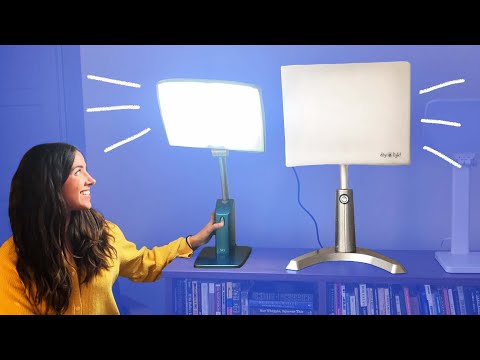
Hey! You ever feel like your mood just plummets when the days get shorter? Yeah, I totally get it. It’s like winter comes in and drags all the sunshine with it. Seriously, that gray sky can be a real bummer.
But here’s a thought: what if I told you there’s this cool thing called light therapy? Sounds fancy, right? Well, it’s all about harnessing a little bit of that bright, happy light to lift your spirits.
Imagine soaking up sunshine without actually having to step outside in the freezing cold. You could be cozy inside and still feel that warmth. Pretty sweet, huh? So let’s chat about how seasonal light therapy can brighten your days when everything else just feels a bit… well, dull.
Unlocking Happiness: How Light Therapy Can Boost Your Mood and Well-Being
So, let’s chat about light therapy and how it can really help brighten your mood. Seriously, it’s like a secret weapon against the blues, especially when those grey winter days feel endless. You know what I mean?
What is Light Therapy?
Basically, light therapy uses bright artificial light to mimic natural sunlight. This isn’t just some gimmick; it’s based on solid science. When you sit under these special lamps, the light can help regulate your sleep-wake cycles and boost your mood.
How Does It Work?
Your brain has this thing called a circadian rhythm. It’s like an internal clock that tells you when to wake up or crash for the night. When there’s less natural sunlight during winter months, or if you’re stuck indoors too much, this rhythm can get all out of whack. Light therapy helps reset that clock by flooding your brain with those good vibes from bright light.
Who Can Benefit?
Well, lots of folks! If you’ve ever felt down during the fall or winter months, known as Seasonal Affective Disorder (SAD), this could be for you. And even if you’re just feeling a bit off because of stress or life changes, light therapy might give you the little nudge to feel better.
- Seasonal Affective Disorder (SAD): About 5% of adults in the U.S. experience SAD.
- Mood Disorders: People with depression or anxiety may find relief.
- Insomnia: If sleep is a struggle, this helps regulate your sleep patterns.
The Process
Getting started is pretty simple! You usually sit in front of a special lamp—often referred to as a light box—for about 20-30 minutes each day. It needs to be bright enough (around 10,000 lux) but not so intense that it blinds you! Most people find mornings are the best time for this treatment.
Now here’s something cool: It’s not just about sitting there quietly like a statue. You can read a book, sip coffee, or even scroll on your phone while soaking in that dazzling light!
Anecdote Time!
I once knew someone who really struggled every winter. They’d get super moody and tired; it was tough to watch them go through that. One year they decided to give light therapy a shot after hearing about it from their doctor. I swear within weeks they were like a different person! They got more energy and seemed genuinely happier—like someone had flipped a switch on them.
Safety and Considerations
Of course, it’s important to be cautious too! If you have certain eye conditions or skin sensitivities, check in with your doc before starting treatment. You don’t want any unwanted side effects!
So yeah, all in all? Light therapy could be just what you need when you’re feeling down in the dumps due to seasonal changes or maybe even just life stressors piling up on you. It’s amazing how something as simple as being exposed to more light can make such a big difference in how you feel mentally and emotionally!
Understanding the Timeline: How Long Does Light Therapy Take to Alleviate Seasonal Depression?
Well, let’s talk about light therapy and its role in easing seasonal depression, also known as Seasonal Affective Disorder (SAD). A lot of folks go through this, especially during long, gloomy winter months when sunlight is basically taking a vacation. This can leave you feeling down or even just off.
When you start light therapy, the timeline for seeing results can really vary. Some people notice a difference pretty quickly—like within a few days to a week. Others might take longer, around two weeks or so. It really depends on the individual and how severe the symptoms are.
So, here’s the deal: light therapy usually involves sitting in front of a specific type of light box for about 20 to 30 minutes each day. You know those bright lights? They’re not just pretty; they mimic natural sunlight quite effectively. Using it consistently is key. If you’re skipping days or not using it as directed, it might take longer to feel any positive changes.
- Your symptoms matter. If you’ve been feeling super low or lethargic for a while, it may take a bit more time to shake that off.
- The intensity helps. The strength of the light box can play a role too—brighter is typically better. Look for one that delivers at least 10,000 lux.
- Your routine counts. Incorporating light therapy into your daily schedule makes it easier to stick with it and potentially see results faster.
To illustrate this: my friend Sarah started using light therapy last winter after struggling with SAD for years. She was skeptical at first but said after about four days of consistent use, she felt like she could finally get out of bed without that heavy weight on her chest.
It’s important to remember that while many folks see great improvements with light therapy alone, some might need additional support—like talk therapy or medication—to really tackle those deeper feelings of sadness. So if you’re combining treatments, give yourself some time—progress isn’t always linear.
In general, light therapy is considered safe, but be sure to choose your device carefully and follow recommendations on usage times. And if you’re unsure or want guidance tailored just for you, chatting with a mental health professional can help clarify things even more.
So there you have it! Light therapy can be quite effective in lifting that seasonal gloom but patience is key—it takes time for any treatment to truly work its magic!
Unlocking the Benefits of Light Therapy for Depression and Anxiety Relief
Light therapy can be a game changer for people dealing with depression and anxiety, especially during those long, gray winter months or when seasonal changes make you feel off. So, let’s break it down and see how this works.
First off, light therapy involves exposing yourself to bright artificial light that mimics natural sunlight. The goal is to help regulate your body’s internal clock and improve your mood. It’s like giving your brain a little wake-up call when the sun doesn’t shine enough.
How does it work? Well, light exposure influences the production of certain hormones in your body. For instance, it can boost serotonin levels, which helps with mood regulation. When it gets dark outside, your body starts producing melatonin—yes, that sleep hormone—which can make you feel sluggish and down. Light therapy helps to keep that in check.
Now, I remember this friend of mine who struggled with seasonal affective disorder (SAD). Every winter she’d feel trapped in a fog of low energy and sadness. After trying light therapy for a few weeks, she noticed some serious changes. She felt more energetic and just… happier! That’s when I realized how powerful this method could really be.
Here are some key points about using light therapy for mood improvement:
- Timing is everything: It’s generally recommended to use a light box in the morning for about 20-30 minutes. This gets your day started right!
- Find the right intensity: Look for a light box that provides at least 10,000 lux of brightness without UV rays. This ensures you get enough light exposure.
- Consistency matters: The benefits come with regular use. You might not notice it right away but sticking with it is key!
- Consult a pro: It’s always wise to chat with a healthcare provider before starting any new treatment approach.
But keep in mind that while many find relief through light therapy, it’s not a one-size-fits-all miracle cure. Some folks might need other treatments alongside it—like therapy or medication—to really feel their best.
One more thing: don’t expect instant results overnight! It takes time for your body to adjust and respond positively to the extra light exposure.
So yeah, if you’re feeling blue during those darker months or struggling with anxiety tied to seasonal changes, giving light therapy a shot could be worth considering!
You know that feeling when you wake up in the winter and it’s still pitch dark outside? Ugh, it can totally drag you down. It’s like the sun forgot it even exists. I remember one winter, I felt heavy and kinda blah all the time. The skies were gray, and I just wanted to hibernate under my blanket with a tub of ice cream. Not exactly healthy coping, right?
Then someone mentioned light therapy. At first, I was skeptical. Like really? Just sitting in front of a bright light box is gonna fix my mood? But then I decided to give it a shot. Honestly, it was kind of a game changer. The idea is simple: you sit in front of this bright light for about 20 to 30 minutes each morning. It’s supposed to mimic sunlight and help kick those winter blues to the curb.
And guess what? After just a few days of doing this routine, I noticed a shift in my mood. It was subtle but refreshing—like someone flipped a switch inside me! My energy levels started to pick up, and suddenly getting out of bed didn’t feel like climbing Mount Everest anymore.
But here’s the thing: not everyone reacts the same way. Some people might feel an instant boost, while others might take longer to notice any changes at all—kinda like waiting for your avocado toast to actually ripen properly (so frustrating!).
If you’re thinking about trying it out, definitely check with a professional first, especially if you have eye conditions or any serious mental health stuff going on. It’s always good to be safe!
So yeah, seasonal light therapy might sound kinda quirky at first glance, but for me? It seriously helped brighten those dull days and gave me a little nudge back toward joy! Plus, who doesn’t want a reason to enjoy some “me time” with their morning coffee?