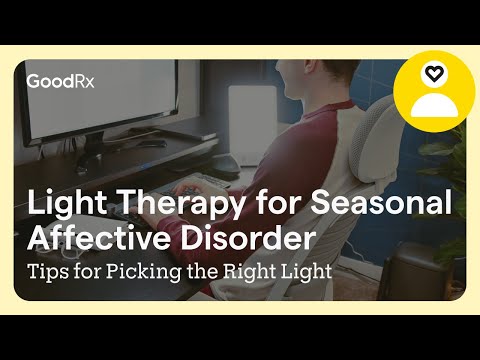
Hey, you know that feeling when the days get shorter and the skies turn gray? Ugh, it can really weigh you down. Some folks call it seasonal depression, and it’s more common than you might think.
Imagine waking up in the morning and feeling like a heavy blanket is just sitting on your chest. Not fun, right? That’s where light therapy comes in. It’s pretty neat, actually.
Basically, you get to soak up some bright light even when the sun hides away. It sounds simple, but it can seriously change your mood. So if winter has been bumming you out, stick around—I’ve got some cool info on how this could brighten things up for you!
Discover the Best Light Therapy Options for Alleviating Seasonal Depression
Seasonal depression, also known as Seasonal Affective Disorder (SAD), can feel like a heavy cloud hanging over you when the days get shorter and the sunlight disappears. It’s like your mood just drops off a cliff, right? Light therapy is one option that can really help with this. Basically, it mimics natural sunlight and can boost your mood during those dreary months.
So, what’s light therapy all about? You might be looking at boxes that shoot out bright light – these are light therapy lamps. They typically use full-spectrum fluorescent bulbs or LEDs to deliver the right amount of light without the harmful UV rays. The idea is to sit near one of these lamps for a certain amount of time each day.
When it comes to choosing a lamp, there are some key things to keep in mind:
- Brightness: Aim for at least 10,000 lux. That’s the intensity you need for effective treatment. Lower lux levels might not cut it.
- UV Filter: Make sure it has a good UV filter to protect your skin and eyes from those pesky UV rays.
- Size & Shape: You want something that can sit on your desk or table easily but also big enough to give off that brightness.
- Adjustability: Some lamps allow you to adjust the brightness or angle which is super helpful for comfort.
So how does this work? When you spend time in front of one of these lamps, it tricks your brain into thinking there’s more sunlight around. This can help regulate your sleep-wake cycle and boost those feel-good hormones like serotonin. Kind of neat, huh?
But using it effectively means establishing a routine. Most people find using it first thing in the morning works best—like having coffee with light instead! Normally, you’d use it for about 20-30 minutes daily while doing something else (reading or scrolling on your phone). It shouldn’t feel like a chore; it’s more about incorporating this into your life.
Now let me share something personal here: I remember my first winter dealing with SAD—it felt endless! I got myself one of those bright lights and paired it with my morning coffee ritual. At first, I was skeptical but honestly? It became my favorite part of waking up! Just sitting there, sipping coffee while soaking up that bright glow—it felt energizing.
But hey, before starting any treatment plan, chatting with a healthcare provider is always smart. They can help you figure out what works best for you considering any other mental health conditions or medications.
In sum, light therapy could be just what you need if seasonal depression has got you down. Just pick a solid lamp based on brightness and features that suit your lifestyle. With consistency and care, those winter blues will start melting away!
Understanding Light Therapy: How Long Does It Take to Alleviate Seasonal Depression?
Seasonal Depression, or Seasonal Affective Disorder (SAD), can feel like a heavy cloud hanging over you, especially in those dreary winter months. You know, when the sun barely shows its face? One popular treatment for this is light therapy. It’s like giving your body a dose of sunshine, even when it’s gray outside.
So, how does this light therapy work? Basically, you sit in front of a special light box that mimics natural sunlight. The idea is to mess around with your brain’s circadian rhythms and boost your mood. When you expose yourself to bright light every day, it can really help even things out.
Now, the big question: how long does it take? Well, the timeline can vary from person to person. Some folks might start feeling better after just a few days of consistent use—let’s say about 3 to 5 days. Others may need about two weeks before they notice significant changes. It’s all about your body adjusting to this new light routine.
- Duration of Sessions: Most people use the light box for about 20 to 30 minutes each day. You want to do this first thing in the morning if possible—gives you that kickstart for the day!
- Intensity Matters: Look for a light box that emits at least 10,000 lux; that’s similar to being outside on a sunny day! So, keep an eye out while choosing.
- Consistency is Key: You really gotta stick with it daily! Skipping days could mean dragging your feet back into those low moods again.
Anecdote time: A friend of mine named Jess struggled with SAD for years. She dreaded winter more than anyone I knew. After getting a light box last year and using it regularly every morning while sipping her coffee—total game changer! Within two weeks, Jess mentioned she felt more energized and was actually looking forward to those chilly mornings instead of hiding under blankets.
If you decide to try light therapy out, hang tight if you don’t feel different instantly; give yourself some grace as your body adjusts! Just remember that every person’s experience is unique. If things aren’t shifting after several weeks or you’re unsure what’s right for you, chatting with a mental health professional can help steer you back on track.
Your mental well-being matters, and sometimes battling those seasonal blues requires some creative approaches. Light therapy could be just one shiny tool in your toolkit!
You know those gray, gloomy winter days when the sun seems to play hide and seek for what feels like forever? Yeah, I totally get it. Those kinds of days can really drag you down. It’s like your mood goes into hibernation mode or something. Seasonal Affective Disorder (SAD) is a real struggle for many people, and it often hits hardest when daylight is at its shortest.
I remember a couple of winters back. It was cold, dreary, and I felt this heavy fog over me that wouldn’t lift. Getting out of bed was a chore, and even things I usually enjoyed felt so flat. That’s when I stumbled across light therapy—like a beam of hope, or should I say light?
So here’s the deal: light therapy involves sitting in front of a special lamp that mimics natural sunlight. You typically do this for about 20 to 30 minutes each morning, and it can really help kick those blues to the curb. The idea is that exposure to bright light helps regulate your body’s circadian rhythms—your internal clock that tells you when to sleep and wake up—and boosts serotonin levels, which can lighten your mood.
It sounds simple enough, right? But honestly, the first time I tried it, I was skeptical. Could just sitting in front of a bright box actually make me feel better? Well… after just a few days of using it consistently, I noticed changes! My mornings started feeling less grim; there was more pep in my step. The world outside didn’t seem as dark anymore.
But let me be real with you—it’s not some magic fix-all solution. Some folks might not see effects right away or might need to combine it with other treatments like therapy or medication. And it’s super important to use the right kind of lamp—one that filters out UV rays and has adjustable brightness settings.
In the end though, if winter has got you feeling down in the dumps, giving light therapy a shot might just brighten your spirits (pun intended). It’s like finding little rays of sunshine on those gloomy days we all dread! Just remember: everyone’s journey through seasonal depression is different; what works for one person might not work for another. So keep looking for that light—literally and figuratively!