You know that feeling when winter rolls around and everything just feels… heavy? The short days, cold weather, and gray skies can really mess with your mood.
It’s not just you—lots of people experience this seasonal slump. Some even call it seasonal affective disorder, or SAD for short. Crazy, huh?
But what if I told you there’s a little vitamin that could help lighten that mood? Yup, we’re talking about Vitamin D.
This sunshine vitamin might be just what you need to kick those winter blues to the curb. Let’s dig into how it works and why it matters!
Choosing the Right Vitamin D to Combat Seasonal Depression
So, let’s chat about Vitamin D and how it kind of plays a role in seasonal depression. You know how when winter rolls around, and the sun seems to disappear? A lot of people start feeling down or way more sluggish. That’s where Vitamin D comes into the picture. It’s like your sunshine in a bottle!
Why Vitamin D? Well, studies show that low levels of Vitamin D can be linked to mood disorders, including seasonal affective disorder (SAD). It turns out this vitamin helps boost serotonin levels, which is our happy chemical. So if your serotonin is low, you might feel those winter blues creeping in.
Now onto choosing the right Vitamin D supplement. There are two main types:
Most folks recommend going with D3. It really seems to do a better job when it comes to boosting your mood and keeping you feeling lively during those gray months.
Okay, so how much do you even need? The amount can vary based on age, diet, and where you live. Generally speaking though:
And don’t forget about food sources! While supplements are great and all, getting some nutrients from what you eat is also key:
But here’s the catch: if you’re not getting enough sunlight exposure during fall and winter months—because let’s face it; we all don’t exactly bask in sunbeams then—you might want to consider those supplements more seriously.
Now here’s something cool: there are also topical options, like certain skin creams that contain Vitamin D. They can help too! Just keep an eye on your overall health and consult a healthcare professional if you’re ever unsure.
In summary? Go for D3, check your intake levels based on your lifestyle, consider food sources too—and always reach out for help if those blues turn into something heavier. Because feeling good doesn’t just happen; sometimes we’ve gotta put in a little work for that sunshine!
Understanding Seasonal Affective Disorder: Symptoms, Causes, and Effective Treatments
Seasonal Affective Disorder, or SAD, is more common than you might think. It’s like that unwelcome guest that shows up every winter and just never seems to leave. Basically, it’s a type of depression that happens at certain times of the year—most often in the colder months when the days are shorter.
Symptoms of SAD can feel heavy and frustrating. You might notice:
- Feeling sad or hopeless.
- Loss of interest in things you usually enjoy.
- Changes in sleep patterns—either sleeping too much or not enough.
- Gaining weight due to cravings for carbs.
- Trouble concentrating or making decisions.
So what causes this seasonal funk? Well, there’s no single answer, but a few factors play a role. One biggie is **reduced sunlight exposure** during fall and winter months. This affects your body’s internal clock—known as the circadian rhythm—which can mess with your sleep and mood.
Another factor is **serotonin levels**. Sunlight helps produce serotonin—a key player in regulating mood. Less sunlight means less serotonin, which can lead to feelings of sadness. And let’s not forget about melatonin! The longer nights may increase melatonin production, which contributes to that sleepy feeling.
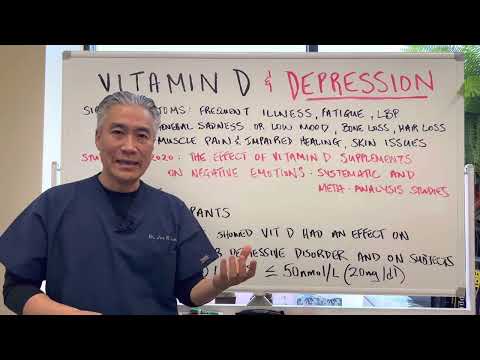
Now, about Vitamin D: it’s often called the «sunshine vitamin» because your skin makes it when you’re out in the sun. Many people with SAD end up with low levels of Vitamin D, especially during those gray winter days.
Research indicates that **Vitamin D may help alleviate some symptoms** of seasonal depression. It plays a critical role in brain health and mood regulation. So yeah, getting enough Vitamin D could be a useful strategy for managing SAD.
There are various ways to boost your Vitamin D levels:
- Catching some rays when it’s sunny outside—aim for about 10-30 minutes of midday sun several times a week.
- Eating foods rich in Vitamin D like fatty fish (think salmon), fortified dairy products, and egg yolks.
- Taking supplements if you can’t get enough from sunlight or food; just check with your doc first!
When it comes to treatment for SAD beyond Vitamin D, light therapy is another effective option. Think of it as sitting near a bright light box that mimics natural sunlight. It can really help lift those winter blues by giving your body more exposure to light.
Therapy also plays an important role; cognitive-behavioral therapy (CBT) can help shift negative thought patterns associated with SAD.
In practice, what does this look like? Imagine Sarah—she used to dread winters because she felt so down every year as soon as daylight faded earlier than usual. After talking to her doctor and learning about light therapy and increasing her Vitamin D intake through supplements and diet changes, she noticed significant improvements over time.
Remember though: If you think you have something more serious going on emotionally as seasons change, reaching out for professional help is always smart!
Exploring the Benefits of Vitamin D and D3 in Alleviating Seasonal Depression
So, let’s chat about vitamin D and its connection to seasonal depression, which is also known as Seasonal Affective Disorder (SAD). You know that feeling when the days get shorter, and you just can’t shake off that cloudy mood? Yeah, it’s a real thing for many folks.
What’s the deal with Vitamin D? Well, vitamin D is often called the “sunshine vitamin” since your body produces it when sunlight hits your skin. But during those dreary winter months, especially in places with less sun, many of us just don’t get enough of it. That’s where things can get tricky.
How does it affect your mood? Research suggests that low levels of vitamin D might be linked to symptoms of depression. When you don’t have enough of this vitamin, you might feel more fatigued or experience changes in your mood. It’s like being stuck in a rut without any light shining through.
Now, there are two main forms of vitamin D: D2 and D3. While both can help boost your levels, D3 is considered more effective at raising and maintaining these levels in your bloodstream. So if you’re thinking about supplements (like many do when winter rolls around), looking for one with D3 could be a good move.
Here are some key points on how Vitamin D might help with seasonal depression:
- Mood Regulation: Vitamin D is thought to play a role in serotonin production—yeah, that happy chemical in our brains.
- Improving Sleep: Getting enough vitamin D might help regulate sleep patterns, which can be super important for mental health.
- Boosting Energy: People who are low on this vitamin often report feeling sluggish or fatigued; getting more could help lift that fog.
- Overall Health Benefits: Apart from mood elevation, maintaining good levels of vitamin D is great for bone health and immune function too.
You know what’s wild? Many people don’t even realize they’re deficient until they start feeling “off.” I once had a buddy who was always down during winter. He chalked it up to the weather until he finally visited his doctor and discovered his vitmain D was seriously low. After some time taking supplements and catching some sunshine whenever possible, he felt like a completely different person!
And here’s another thought—while supplements can help fill the gap during those tough months, it’s also essential to get outside whenever you can! Seriously! Even on cloudy days, natural light peeking through can boost your spirits.
In short, if you find yourself grappling with seasonal blues as winter approaches each year—consider having a chat with a healthcare professional about checking your vitamin D levels. It might just shine some light on your mood!
You know those gray winter days when everything just feels a bit heavier? Yeah, that’s seasonal affective disorder (SAD) kicking in. It’s like the sun has packed its bags and left us in the cold, dark void. Seriously, it can hit hard. And then there’s Vitamin D, often called the «sunshine vitamin.» It’s kinda funny how we rely on something we get from sunlight to feel better when there’s none around.
I remember this one winter when I was feeling particularly sluggish. Days turned into weeks of overcast skies, and my mood was plummeting. I mean, I’d wake up and just want to hibernate under a pile of blankets. A friend suggested I check my Vitamin D levels. At first, I was like, “Really? What does that have to do with how I feel?” But then I learned more about it.
Vitamin D helps regulate mood and reduce feelings of depression—like a little sunshine for your brain! When you’re low on it, things can get tougher emotionally, especially during those darker months. It seems our bodies crave that little extra boost to keep our spirits up when nature isn’t cooperating.
It’s like this cycle: less sunlight equals lower Vitamin D levels which can lead to feeling down or irritable. And hey, if you’re not getting outside much because it’s freezing or rainy, it makes sense your body might be missing out on that vital nutrient.
So while there’s no magic pill for SAD—believe me, if there were I’d be first in line—taking a Vitamin D supplement might help lift the fog just a bit during those gloomy months. Couple that with some light therapy or being outdoors whenever possible—even if it means bundling up—it can make a world of difference.
Next time you’re stuck in the dullness of winter and feeling blue, maybe think about getting your Vitamin D checked out? Who knows? A little sunshine from within might just brighten your day!