Okay, so, let’s talk about light. You know how sometimes it feels like the sun just forgets to show up? Those grey, gloomy days can really zap your energy.
And hey, if you’ve been feeling a bit down during the winter months, you’re totally not alone. A lot of people experience that seasonal slump. It’s a bummer!
But here’s a little secret: there’s this thing called light therapy. Yep! Those bright lamps you see in stores can actually help lift your mood.
You might be thinking, “Really? A lamp?” But trust me—these babies pack some serious power! Let’s dig into how they work and why they might just brighten up your day.
Unlocking the Truth: Do Seasonal Depression Lamps Really Work for Effective Mood Relief?
There’s something about those darker months that really gets to some folks, right? Seasonal Affective Disorder (SAD) can hit hard when the days are short and the clouds seem like they’re hanging around forever. So, do those bright light therapy lamps really work? Well, let’s dig into it.
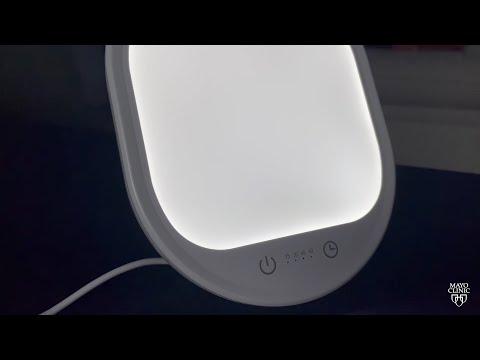
First off, what exactly are these lamps? Bright light therapy lamps are designed to mimic natural sunlight. They’re pretty bright—usually around 10,000 lux— so you don’t want to stare directly at them. The idea is that they help boost your mood by triggering the release of serotonin and regulating your melatonin levels. Sounds good so far, huh?
Now, how do they actually help? When you sit in front of one of these lamps for about 20-30 minutes a day, especially in the morning, it can really make a difference. Research shows that many people see improvements in their mood and energy levels after using these lamps consistently.
But there’s a catch! They don’t work for everyone. While many folks experience positive effects, others might not notice much change at all. That could be because SAD can vary widely from person to person. Some might need more than just light therapy to feel better.
Also important is timing! You gotta use them correctly. It’s best to start using the lamp when the seasons change—like as fall turns into winter. Consistency is key here; if you’re wishy-washy about it, you might miss out on their benefits.
And hey, don’t forget about those side effects! Most people tolerate them well but some might feel eye strain or headaches at first. It usually passes as your body adjusts though.
So what can you expect? Well, many users report feeling brighter and more energized. Imagine waking up feeling like you’ve got a little sunshine inside instead of dragging through your day like a zombie. For some people, this change is just what they need to fend off that winter gloom.
Exploring the Impact of SAD Lamps on Serotonin Levels: Do They Really Help?
So let’s talk about SAD lamps and how they might boost your serotonin levels. You know, seasonal affective disorder (SAD) hits a lot of people when the days get shorter and the sun kind of disappears for a while. It’s like, suddenly you’re feeling moody, tired, and just not yourself. That’s where these bright lamps come into play.
SAD lamps, or light therapy lamps, are designed to mimic natural sunlight. The idea is that by exposing yourself to bright light for a certain amount of time each day, you can improve your mood and fight off feelings of depression that can come with the changing seasons.
Now, here’s what happens: your body produces serotonin when exposed to sunlight. Serotonin is often called the “feel-good” neurotransmitter because it helps regulate mood, anxiety, and happiness. When sunlight is scarce, especially in winter months, your serotonin levels might drop. Hence that feeling of blah-ness.
You might be wondering if these lamps actually work. Well, research suggests they can have a positive effect on some people with SAD. It seems that regular use can help restore those serotonin levels back up to normal ranges—or at least closer to it! It’s kind of like giving your brain a little push into the sunshine without actually going outside.
Here are some points to consider if you’re curious about how these lamps can help:
- Light Intensity: Most SAD lamps should emit around 10,000 lux—the standard intensity recommended for treating SAD.
- Timing Matters: For best results, many folks find using these lights in the morning works well. It sets the mood for the day.
- Duration: Typically, sessions last about 20-30 minutes daily to make a noticeable difference.
- Consistency is Key: Regular use tends to be more effective than sporadic sessions; think of it as part of your daily routine.
But hey, while these lamps can really brighten up your day—quite literally—they aren’t for everyone. Some people might experience eye strain or headaches from prolonged exposure. So it’s always smart to chat with a healthcare professional before diving in.
One thing I remember vividly is my friend Sarah who struggled every winter with her mood plummeting like clockwork as soon as daylight savings hit. After getting one of these lamps and making it part of her mornings—she said she felt so much more alive! It’s like she didn’t need her extra cup of coffee anymore—seriously.
To sum up: SAD lamps may really help boost those serotonin levels during those gray months when sunlight isn’t on our side as much as we’d like. It’s definitely worth considering if you’re feeling that seasonal slump creeping in!
Discover the Best Light Colors to Alleviate Seasonal Affective Disorder Symptoms
Seasonal Affective Disorder, or SAD for short, can hit hard when those sunny days turn into gray ones. You know that heavy feeling when the days get shorter and the nights stretch longer? Yeah, it’s a real thing. But here’s where light therapy comes in. It’s like bringing a little sunshine indoors.
Using light therapy lamps can help lift your mood during those darker months. So, what colors should you look for? Let’s break it down.
Bright White Light
This is the most common type used in light therapy. The idea is to mimic natural daylight as closely as possible. These lamps usually have a color temperature between 5000K and 6500K, which feels bright and refreshing. Research shows that this type of light can improve your mood by helping regulate circadian rhythms.
Blue Light
There’s been a lot of buzz around blue light recently. While natural sunlight has a mix of all colors, blue light is particularly effective in treating SAD symptoms. It works wonders by stimulating certain parts of your brain that affect mood and energy levels. Just be cautious not to overdo it; too much blue light at night can mess with your sleep later on.
Green Light
You might not have heard about this one as much! Green light isn’t as widely used but some small studies suggest it may help with mood stabilization. It feels softer on the eyes compared to bright white or blue lights, making it an option for those sensitive to harsher lighting.
Amber/Soft Yellow Light
These warmer tones create a cozy atmosphere—think of it like candlelight vibes but still therapeutic! While they aren’t typically used exclusively for treating SAD, using them in combination with other types could be soothing during dark evenings.
Remember though; it’s not just about color—it’s also about brightness. Look for lamps that provide at least 10,000 lux of brightness if you want to see real results!
So how do you use these lamps? Try sitting near one for around 20-30 minutes each morning while you eat breakfast or read a book. It’s all about consistency!
Also, pay attention to your personal preferences because what works wonders for one person might not feel right for another. You should find something that feels comfortable and enjoyable.
In summary, whether you choose bright white, blue, green, or amber lights really depends on how each makes you feel. Finding the right shade could be just what you need to brighten up those dreary winter days!
You know that feeling when winter hits, and it’s like someone just turned the brightness down on everything? Yeah, that’s seasonal affective disorder (SAD) for a lot of people. It can be tough when the days get shorter, and the sun seems to vanish. I was chatting with a friend recently who said she feels sluggish and sort of “meh” once the clocks change. She tried these light therapy lamps, and honestly, it sounds way more interesting than I thought!
So, what’s the deal with these lamps? They’re not just fancy desk lamps; they mimic natural sunlight. The idea is to sit in front of one for about 20-30 minutes a day to help boost your mood. Sounds simple, right? My friend mentioned how sitting in front of it while sipping her morning coffee felt like a little slice of summer in her living room. She said it made a noticeable difference—she felt less tired and way more energized throughout the day.
It got me thinking about how light impacts our moods. You might not realize it, but our brains are wired to respond to light. When you soak up some sunshine, your body produces vitamin D and serotonin—both essential for keeping those blues at bay. But when you’re stuck inside during cold months? Yeah, that sunlight boost isn’t happening.
Using one of these lamps seems like an easy way to get some of that light back into your life without needing to pack your bags for a tropical getaway! It’s important that they meet certain standards for effectiveness—like being bright enough (usually around 10,000 lux). Of course, everyone’s different; what works wonders for one person may not do much for another.
If you’ve been feeling low-energy or maybe even a bit sad as winter drags on, why not give these lamps a shot? It could be just what you need to bring some sunshine back into those dreary days. And hey, if nothing else, at least you’ll find an excuse to cozy up with a warm drink in front of your sunny spot.