So, let’s talk about those days when everything feels kinda… off. You know what I mean? Maybe it’s the weather changing, or just the time of year—the light starts to fade, and suddenly, your mood goes with it.
You wake up feeling heavy. Finding joy in little things becomes a challenge. It sucks, right? And it’s not just you.
A lot of folks ride this rollercoaster of emotions when the seasons shift. Seriously, it can mess with your mental health in ways you wouldn’t believe!
But here’s the thing: you’re not alone in this. There are ways to navigate those ups and downs without losing your mind. So let’s dig into this together!
Understanding Seasonal Affective Disorder: Symptoms, Causes, and Effective Remedies
Seasonal Affective Disorder, or SAD, is a real bummer for a lot of folks. It’s like that cloud that follows you around on the gloomiest days. When the seasons change, especially into fall and winter, some people feel more than just a little blue; they face serious mood swings and emotional challenges. Let’s break this down together.
Symptoms of SAD can hit hard. You might feel:
- A persistent low mood
- Loss of interest in activities once enjoyed
- Changes in appetite—usually craving carbs
- Fatigue or low energy
- Difficulty concentrating
- Feelings of hopelessness or worthlessness
I remember a friend of mine who used to light up every room with her laughter. But when winter rolled around, it was like someone turned off her joy switch. She slept way more than usual and could barely drag herself to do anything fun. It was heartbreaking to watch.
Moving onto the causes, it seems like light plays a big role in this whole mess. When days get shorter and darker, your body produces less serotonin—a neurotransmitter linked to happiness and well-being. You know how sunlight can make you feel just a bit cheerier? That’s why! Less sunlight can lead to a drop in serotonin levels, which can screw with your mood.
Also, there’s melatonin—another key player here—that regulates sleep patterns. With less daylight in winter, melatonin production can go haywire, making you sleepy during the day but restless at night.
Now let’s look at some effective remedies. There are several ways to ease the burden of SAD:
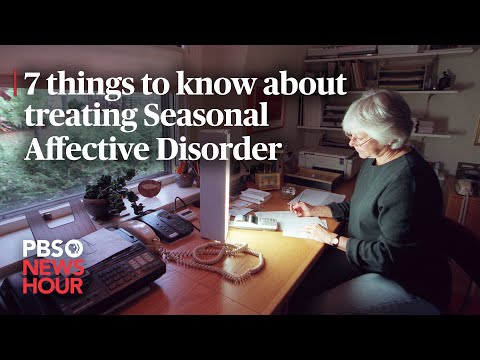
- Light therapy: This involves using special lamps that mimic sunlight. People sit near these lamps for about 20-30 minutes daily. It can be super effective!
- Therapy: Talking it out with a mental health professional can really help you navigate those tough feelings.
- Exercise: Regular physical activity boosts your endorphins—those happy hormones—and helps combat feelings of depression.
- Diet: Eating well-balanced meals rich in vitamins and omega-3 fatty acids might help improve your mood.
- B vitamin supplements: Some folks find B vitamins beneficial for energy levels and overall mental health during darker months.
Of course, it’s important to note that everyone responds differently to treatments. So what works wonders for one person might not have the same effect on another.
SAD isn’t just about feeling sad; it’s a complex mix of biological factors triggered by seasons changing. If you or someone you care about is struggling with these symptoms during specific times of the year, reach out! You’re definitely not alone in this journey.
Effective Strategies for Coping with Seasonal Depression: Tips to Boost Your Mood
Seasonal depression, often known as Seasonal Affective Disorder (SAD), can really put a damper on your spirits when the days get shorter and darker. You might feel lethargic, moody, or just plain low. And, hey, you’re definitely not alone in this! So, let’s explore some effective strategies that can help lift your mood during those tough months.
Get Some Sunlight
Even if it’s chilly outside, soaking up some sun can do wonders for your mood. Natural light helps boost serotonin levels, which is like a happy hormone for your brain. Try to spend some time outdoors each day. If it’s super gray and gloomy out? Consider investing in a light therapy box. They mimic sunlight and can really help brighten things up.
Stay Active
Exercise is a game changer for mental health. When you move your body—whether it’s jogging, doing yoga at home, or just dancing around your living room—your brain releases endorphins. Those are like little joy boosters! Even just a short walk can clear your head and lift you up a bit.
Connect with Others
Isolation can be tempting when you’re feeling down. But reaching out to friends or family members—even if it’s just to chat—can make a huge difference. Grab coffee with someone or have virtual hangouts if in-person isn’t possible. You’ll feel more connected and less alone in what you’re going through.
Maintain a Routine
Having structure helps give your life some balance during the darker months. Try to stick to regular sleeping and eating patterns—like going to bed and waking up at the same time each day. It might sound simple, but routines help give you that much-needed sense of normalcy.
Nourish Your Body
What you eat can impact how you feel! Make sure you’re fueling yourself with healthy foods rich in vitamins D and B12, as well as omega-3 fatty acids found in fish or flaxseeds. And hey, don’t forget about hydration; drinking enough water is essential for overall well-being.
Pursue Your Hobbies
Staying engaged in activities you love plays an important role in lifting your spirits! Whether it’s painting, playing music, reading books, or crafting—whatever brings you joy! This is about making time for what makes you smile.
Practice Mindfulness
Mindfulness techniques like meditation or deep-breathing exercises are great tools when you’re feeling overwhelmed by seasonal blues. Just taking a few moments each day to center yourself can help reduce stress levels and improve your overall mood.
Avoiding Excessive Alcohol Intake
While it might be tempting to indulge during the colder months—especially with holiday gatherings—try not to overdo it on alcohol. It may seem like a way to escape but trust me; it often leaves you feeling worse afterward!
Incorporating these strategies into your routine isn’t always easy—it takes time! But remember that small changes can lead to big improvements over time. If things still feel too heavy? Don’t hesitate to reach out for professional support; talking to a therapist might provide extra guidance tailored just for you.
So next time winter rolls around, keep these tips close by! You’ve got what it takes to navigate those seasonal mood swings better than ever!
Understanding the Causes of Seasonal Depression: Insights and Solutions
Seasonal depression, or seasonal affective disorder (SAD), is a real thing. Ever felt like the world just loses its color as soon as autumn rolls in? It’s like the sun checks out, and suddenly so do you. This pattern happens usually during the fall and winter months, but some folks feel it in spring or summer, too. But what’s behind this heavy cloud of gloom? Let’s break it down.
One major player is light. Shorter days mean less sunlight. Less sunlight can mess with your body’s internal clock and your levels of serotonin—the “feel-good” chemical in your brain. When serotonin dips, so can your mood. It’s like suddenly having a flat tire when you were cruising along just fine.
Another factor is melatonin, which regulates sleep patterns. In darker months, your body might produce more melatonin—leading to increased sleepiness and that sluggish feeling you can’t shake off. You know those days when all you want to do is hibernate? Yup, that’s melatonin at play!
Let’s not forget about genetics. If someone in your family has SAD or other types of depression, you might be more likely to experience it yourself. It’s kind of like inheriting blue eyes; sometimes those traits just run in the family.
And then there are the environmental factors. The regions where people live can make a huge difference; folks closer to the poles often face longer winters with fewer sunny days compared to those living near the equator. If you’re in a place with harsh winters, it can really drag on your mental health.
Also, some studies have shown that stress and lifestyle choices play a role too. If you’re juggling work pressures or personal issues on top of seasonal changes, it could add fuel to the fire of feeling down. Sometimes it feels like everything piles up at once.
So what do you do about all this? Here are a few ideas:
- Light therapy: Using a light therapy box can help mimic natural sunlight and boost serotonin levels.
- Regular exercise: Getting physical—even if it’s just a brisk walk—can help lift your mood.
- Meditation and mindfulness: Taking time for yourself through meditation can create that little bit of calm amidst chaos.
- Talk therapy: Sometimes chatting with someone about how you feel helps clear away those cobwebs.
- Vitamin D supplements: Some folks find relief by taking these during darker months—just check with a healthcare provider first!
- Staying connected: Keeping in touch with friends or family during tough seasons helps remind us we’re not alone out here.
Think back to last winter when Rachel felt stuck inside her own head for weeks on end. She started using a light box every morning while sipping her coffee—it became her little ritual! After a while, she noticed herself coming back to life again; brighter mood and even some motivation to plan weekend outings!
By understanding the causes behind seasonal depression, you’re one step closer to navigating those challenging moods when they hit. Everyone experiences ups and downs; knowing why you’re feeling off could be key to finding solutions that work for you!
So, you know how the seasons change and everything feels fresh for a bit? Like spring comes along and you’re stoked about flowers blooming. Then summer hits, and it’s all beach vibes. But then fall rolls in, and the leaves fall, probably reminding you of some stuff you’d rather not think about. And winter? Well, let’s just say those long nights can feel endless.
Honestly, I used to think that seasonal mood swings were just something people talked about to explain why they felt “off.” But then I went through my own ups and downs. There was this winter when it felt like all color drained from my life. I still remember staring out my window at the gray sky, feeling heavier than a ton of bricks. Friends would ask if I wanted to go out, but all I wanted was to curl up with a blanket and some Netflix—seriously.
What happens is our mental health can be affected by these shifts in weather. For some folks, darker days can trigger feelings like sadness or anxiety more intensely. It’s not just about being lazy or moody; it’s biology too! The lack of sunlight means less serotonin—the chemical that helps keep your mood stable. So yeah, it makes sense that feelings get tangled up in the changing seasons.
But it’s not all doom and gloom! There are ways to navigate this craziness. Like finding things to do that bring joy during those colder months—maybe taking a class or picking up a new hobby? I started painting again during one winter slump, and it honestly helped lift me out of that funk bit by bit.
And don’t underestimate talking things out with someone—be it friends or a therapist—who can help you sort through those emotional waves when they hit hard like a freak spring storm. So there’s hope! Just remember you’re not alone in this seasonal rollercoaster ride; we’re all trying to figure it out together in our own way.