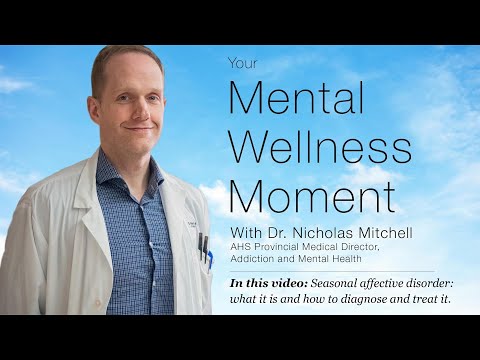
You know how the seasons can really mess with your head? One minute it’s sunny and warm, and the next, it’s all cold and gloomy. Seriously, it’s like a rollercoaster of feelings.
But here’s the thing: these seasonal changes can actually be a game-changer for our mental wellness. Yup, that’s right! There are ways to ride those ups and downs instead of just feeling stuck in them.
So, let’s chat about how to embrace each season. From bright blooms in spring to cozy sweaters in winter, there’s so much we can do to stay balanced. You up for it? Let’s dive in!
Understanding Seasonal Affective Disorder: Symptoms, Causes, and Effective Treatments
Okay, so let’s talk about Seasonal Affective Disorder, or SAD for short. It’s one of those conditions that can sneak up on you when the days get shorter and the weather gets colder. Basically, it’s a type of depression that sets in during certain seasons, most commonly in the fall and winter months.
So, what does it feel like? Well, imagine waking up every day and just feeling heavy. You might notice you’re more tired than usual, or maybe you’re sleeping a little too much. It’s like your bed turns into a magnet! Other common symptoms include:
- Low energy: You just don’t have that same pep in your step.
- Changes in sleep patterns: Some folks sleep way more, while others can’t catch a wink.
- Difficulty concentrating: Focusing becomes harder than ever—like trying to read a book in a noisy cafe.
- Anxiety and irritability: Little things might start bothering you more than they normally would.
- Loss of interest: Activities you once loved might suddenly feel boring.
The causes behind SAD are still being studied, but the lack of sunlight is a biggie. Sunlight helps regulate our mood through melatonin and serotonin levels. When it’s dark outside for long stretches, our brain can get confused and trigger those feelings of sadness or depression.
You might be wondering who gets this disorder? Well, it’s more common in women than men and usually pops up in younger adults. If someone in your family has had depression before, you might be at greater risk too. So keep an eye out!
You know how some people start to feel better when spring rolls around? That’s not just wishful thinking! There are ways to tackle this condition besides waiting it out until the sun shines brighter again. One popular treatment is light therapy. This involves sitting near a special light box that mimics natural sunlight for about 20-30 minutes daily. Sounds simple enough, right?
An easy example would be my buddy Jason—he started using one last winter and said he felt noticeably less sluggish after just a week!
If light therapy isn’t quite your jam or if it’s not working alone, there are other options. Antidepressant medications can help balance those brain chemicals messing with your mood. And of course, talk therapy, like cognitive-behavioral therapy (CBT), can also work wonders by helping change how you think about those gray days.
You really shouldn’t tough it out alone if you’re feeling off during the season changes. Help is out there! Whether it’s finding the right light box or getting into therapy sessions—there’s no shame in reaching out for support.
The thing is: Seasonal Affective Disorder doesn’t have to control your life. With some awareness and effective treatments, you can harness those seasonal changes for better mental wellness!
Understanding Seasonal Depression: Causes, Symptoms, and Effective Coping Strategies
Seasonal depression, also known as seasonal affective disorder (SAD), can really hit hard during those colder months. It’s like the soul just wants to hibernate, right? And honestly, if you’ve ever felt that heavy blanket of gloom come over you when the days get shorter, you’re not alone.
So, what causes this funky mood? Well, it often stems from changes in light exposure. When the sunlight starts fading away in fall and winter, it messes with your internal clock, or circadian rhythm. This can throw off your melatonin and serotonin levels. Melatonin is all about sleep regulation while serotonin helps keep your mood steady. If they’re out of whack, it can lead to feelings of sadness or irritability.
Now let’s talk symptoms. They can vary from person to person but typically include:
- Feeling down or depressed: You may notice a persistent low mood.
- Lack of energy: It’s like getting out of bed feels like a workout.
- Changes in sleep: Some people sleep more while others struggle to catch z’s.
- Weight fluctuations: Craving those comfort foods? That’s common!
- Social withdrawal: You might want to just curl up on the couch instead of hanging out with friends.
I remember my buddy Sam went through this last winter. He always loved going for hikes, but when it got darker earlier and colder outside, he just kept cancelling plans. It was like a cloud followed him everywhere. Seeing that shift was tough—he felt so isolated even though we all cared about him.
When it comes to coping strategies for seasonal depression, there are definitely things you can try:
- Light therapy: This involves using a special lamp that mimics natural sunlight—it’s like bringing summer indoors.
- Stay active: Exercise can seriously boost your mood; think about taking brisk walks or hitting the gym.
- Mood-boosting foods: Eating well—like lots of fruits and veggies—can help your overall mental health.
- Social connections: Don’t isolate yourself! Reach out to friends and family even if it’s via video calls or texts.
- Create a routine: Having a stable schedule helps maintain balance in your day-to-day life.
The thing is, if you notice these feelings sticking around or getting worse as the seasons change, it could be worth reaching out for some professional help. There’s no shame in talking to someone who gets it—you don’t have to go through this alone!
So yeah, seasonal depression can be a tough ride but understanding what’s happening—and taking steps to cope—makes all the difference. Remember that brighter days are ahead!
You know how seasons change? One minute it’s all bright and sunny, and the next, you’re bundled up in layers because it’s freezing outside. Well, those shifts can actually impact our moods and mental well-being. It’s pretty wild when you think about it, but embracing those seasonal changes can help us feel a little more balanced.
Let’s take winter, for example. Yeah, it can get pretty dark and gloomy. I remember one year I just felt weighed down by the lack of sunlight. But then I discovered how to make the most of it. I started lighting candles around my apartment and cozying up with a good book or a movie that made me laugh. It turned into a warm sanctuary where I could just feel good despite the cold outside.
And then spring comes around, right? All those flowers blooming and longer days—it can be like a burst of fresh hope! You might find yourself wanting to go outside more often or take walks in the park. Just being out in nature can lift your spirits so much; it’s like Mother Nature is giving you a pep talk or something!
Summer has its own vibe too. For me, it’s all about gathering with friends—barbecues, beach days, all that good stuff. Sure, sometimes it gets overly hot or you might feel overwhelmed with plans, but those moments of connection really help to recharge your emotional batteries.
Fall is interesting too; those crisp leaves and pumpkin-spice everything! But hey, as days get shorter again, it’s normal to feel a little reflective or even melancholic. Instead of hiding from that feeling—embracing it could be the way to go! You might find comfort in journaling about what you’re grateful for or sharing fun memories over hot cider with friends.
So yeah, each season offers something different for our mental wellness journey. The key is being aware and open to what each change brings. Sometimes you’ve got to nurture your soul with whatever feels right—whether that’s staying cozy indoors during winter or soaking up sunshine in summer months. Letting yourself ride along with these changes can actually turn them into opportunities for growth and joy instead of just another shift on your calendar!