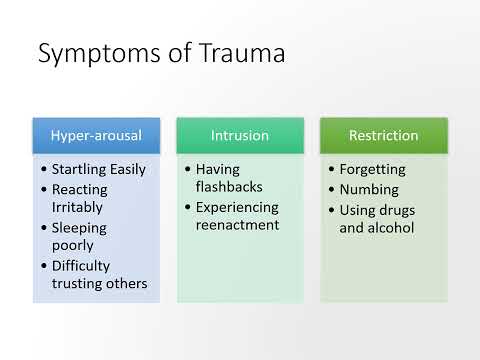
So, let’s talk about trauma. It’s a heavy topic, right? But it’s everywhere around us, especially for those in the mental health field. You know what I mean?
Imagine you’re sitting with someone who’s pouring their heart out about their struggles. You feel every ounce of their pain. That’s powerful stuff. But here’s the thing: it can rub off on you without you even realizing it.
That’s what we call secondary or vicarious trauma. It sneaks in when you least expect it. And before you know it, your emotional tank is running on empty.
We all want to help others, but how do we keep ourselves whole while we do that? Let’s dig into this together.
Understanding and Overcoming Secondary and Vicarious Trauma: A Comprehensive Guide in PDF Format
Secondary and vicarious trauma are such crucial concepts when you’re delving into mental health, especially for those working in the field. So, let’s break it down a bit, shall we?
Secondary trauma usually happens when someone is exposed to the traumatic experiences of others. You might see this in therapists or social workers who hear stories of pain and suffering every day. It can really wear them down over time. I remember a friend who was a counselor; she’d come home after sessions feeling emotionally drained. It’s like she was carrying other people’s burdens on her shoulders.
Vicarious trauma, on the other hand, is more about the changes that happen within you after hearing about others’ traumas repeatedly. It might seem subtle at first, but it can deeply affect how you view the world—like you start seeing things through a lens of mistrust or despair. Picture someone working with survivors of abuse; their outlook on relationships might shift, making everything feel more dangerous or uncertain.
Here are some signs to look out for:
- Emotional exhaustion: Feeling completely drained after hearing traumatic stories.
- Irritability: Getting easily annoyed or frustrated when you used to be chill.
- Cynicism: Feeling hopeless about people and the world around you.
- Physical symptoms: Headaches or stomach aches that just won’t quit.
Now, overcoming these kinds of trauma isn’t always easy—but it is possible! Here’s what can help:
- Self-care: Seriously, take care of yourself! This means eating right, exercising, and getting enough sleep.
- Talk it out: Find people you trust to share your feelings with. You don’t have to carry this alone.
- Set boundaries: Know your limits when dealing with clients or patients’ stories. Protecting your own energy is key!
- Seek supervision: Regularly check in with a supervisor or mentor who understands what you’re dealing with.
It’s really important to recognize that if you’re feeling overwhelmed by secondary or vicarious trauma, it doesn’t mean you’re weak—it just means you’re human!
In mental health work, supporting one another is crucial too. Having community discussions and workshops around these topics can create space for healing and understanding among professionals.
So remember: It’s all about balance. Take care of yourself while helping others navigate their tough times; that way everyone has a better shot at well-being—yourself included!
Understanding Vicarious Trauma vs. Secondary Trauma: Key Differences and Impacts
Vicarious trauma and secondary trauma are two terms that pop up a lot, especially in mental health circles. But what do they really mean? And how are they different? Let’s break it down.
**Vicarious Trauma** happens when you’re exposed to someone else’s traumatic experiences. Like, if you’re a therapist working with survivors of abuse, their stories can seep into your own psyche, altering the way you see the world. It’s like you’re not just hearing their pain; you’re feeling it too. Imagine sitting in a session and hearing about something horrific. It doesn’t just go away as soon as the session ends.
On the other hand, **Secondary Trauma** is more about the emotional stress that comes from knowing someone who has experienced trauma. So let’s say your friend goes through something really tough and keeps sharing their feelings with you. Over time, you might start to feel overwhelmed or anxious yourself because of their pain—even if you haven’t experienced anything similar yourself.
Both of these can lead to similar symptoms like anxiety, depression, or even physical ailments like headaches or stomach issues. It’s a heavy load to carry!
Here are some key differences:
- Source: Vicarious trauma is deeper; it affects your worldview from directly engaging with traumatic content.
- Experience: Secondary trauma stems from empathy for others’ suffering but doesn’t usually reshape your worldview as profoundly.
- Duration: Vicarious trauma often lasts longer because it alters core beliefs about safety and trust.
Let me give you an example: Imagine Sarah, a therapist who works primarily with veterans suffering from PTSD. Every day she hears stories that shake her understanding of what people can endure. Over time, she starts feeling jumpy or finds herself avoiding loud noises—similar to her clients’ reactions.
Now think about Mike, whose sister recently went through a traumatic event. He cares deeply for her and feels stressed whenever she talks about it, but he hasn’t experienced anything similar himself. His emotional struggle is real but less ingrained in his identity compared to Sarah’s experience.
The impacts of both forms of trauma can be profound. They influence not only how individuals cope with stress but also how they relate to others—like friends or family members who might not understand what they’re going through.
In workplaces like hospitals or social services where staff deal regularly with trauma survivors, these issues can lead to burnout or compassion fatigue—a kind of exhaustion that makes caring difficult over time.
So what’s the takeaway? Being aware of vicarious versus secondary trauma can help those in helping professions manage their well-being better while supporting others effectively too! Remembering to check in on yourself regularly can make a big difference in how you handle these challenges.
In short, both vicarious and secondary traumas are serious stuff that deserves attention. Whether you’re feeling overwhelmed due to direct exposure or just empathizing deeply—it’s essential to acknowledge those feelings and find ways to cope!
Understanding Vicarious Trauma: Signs, Effects, and Coping Strategies
Vicarious trauma is a thing that happens when you’re exposed to someone else’s traumatic experiences. Imagine you’re a therapist listening to a client share their story about abuse or loss. Over time, those heavy stories can weigh on you, too. You might start feeling what your client feels even if you weren’t there for the events themselves. It’s like their pain seeps through into your own life.
Signs of Vicarious Trauma can be pretty sneaky. You might notice feelings of emotional burnout or exhaustion that come from just being around the pain of others. Here are some common indicators:
- Increased anxiety or stress
- Feeling numb or disconnected from your own emotions
- Changes in sleep patterns, like insomnia or nightmares
- Difficulty focusing or making decisions
- A sense of hopelessness about helping others
Let’s get real for a second. I once knew a social worker who was amazing at her job, helping kids in crisis situations. But after a few tough cases, she started pulling back from friends and family, feeling like she had to carry everyone’s burdens alone. It felt heavy and isolating.
The Effects of Vicarious Trauma don’t just stop at emotional signs; they can affect your physical health too. Chronic stress can lead to headaches, stomach issues, or even heart problems in the long run. It can impact relationships because you might feel irritable or withdrawn with loved ones.
And then there’s the risk of developing compassion fatigue—the point where it becomes so difficult to care that it feels easier not to care at all. That sucks because empathy is what drew many people into helping professions in the first place.
So now you’re wondering: how do you cope with this? Here are some strategies that could help:
- Practice Self-Care: Make time for activities that refuel your energy—like hobbies, exercise, or simply relaxing.
- Set Boundaries: It’s okay to take breaks and set limits on how much emotional labor you take on.
- Talk About It: Sharing with colleagues who understand is super important; it reduces isolation.
- Seek Professional Help: There’s no shame in talking to a therapist yourself—like seriously!
- Meditation and Mindfulness: These practices can ground you and help manage stress levels.
Also remember: it’s about maintaining balance in your own mental health journey while still being there for others. Practicing mindfulness and creating strong support systems around yourself makes such a difference over time.
Vicarious trauma is real and impactful but doesn’t have to be permanent. Recognizing signs early on allows you to make changes before things feel overwhelming. Your well-being matters just as much as those you’re trying to help!
You know, the thing about working in mental health is that you’re often right there in the thick of it. It can be an amazing job, full of breakthroughs and emotional connections. But there’s this other side, a darker one, where you find yourself dealing with something called secondary or vicarious trauma. And honestly, it can sneak up on you when you least expect it.
I remember a friend of mine who’s a therapist telling me about this tough case she was working on. Her client had been through hell—seriously horrific experiences that left them shaken to the core. As they talked through their pain, my friend felt this weight settle on her shoulders. It wasn’t her trauma, but somehow it started to feel like it was. It’s almost like carrying someone else’s backpack filled with rocks; eventually, those rocks start to feel pretty heavy.
Secondary trauma happens when you’re exposed to someone else’s traumatic experiences over time. You absorb their stress and pain, which can lead to feelings of anxiety or even signs similar to PTSD. It sounds kind of wild, right? You’d think that because it didn’t happen to us directly, we’d be fine — but nope!
Just think about how often we listen to others’ struggles: friends sharing heartbreaks, coworkers venting about work drama—sometimes it just sticks with us longer than we want it to. And then there’s vicarious trauma—when the cumulative effect of exposure affects how we interact with the world around us or view our relationships.
Imagine being at a party where everyone is laughing and having fun while you’re stuck in your head worrying about the stories you’ve heard all week long from folks who are breaking down in your office. It can be isolating and exhausting.
But here’s something important: recognizing those feelings is like spotting a red flag waving in the wind—it means something isn’t quite right! So whether it’s taking time for self-care or talking things out with someone trusted (even if they’re not in the field), it’s crucial that you prioritize your own emotional health.
Remember my friend I mentioned earlier? She eventually sought supervision from her colleagues and embraced therapy herself. She learned techniques for boundaries and self-compassion—but most importantly, she learned that feeling overwhelmed doesn’t mean she was failing at her job. No way! It’s part of being human.
When navigating these waters, it’s all about balance: absorbing others’ stories while also finding ways to let them go without letting them define us or drain us completely. Because at the end of the day, we want to support others without losing sight of our own well-being—and that’s no small feat!