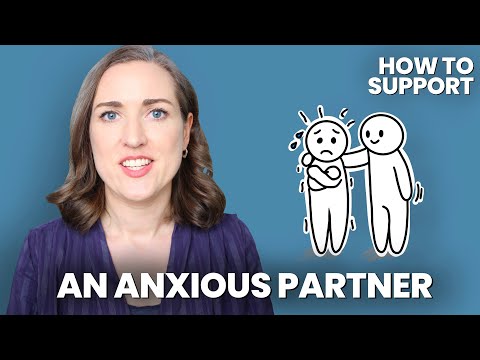
You know those people who seem cool with everything? The ones who keep their distance but still show they care? That’s the secure avoidant style for you.
Look, relationships can be tricky. We all have our quirks. If you’re leaning towards a secure avoidant approach, you might feel a mix of comfort and unease when it comes to closeness. It’s not about being cold or uninterested; it’s a unique way of connecting.
But how do you navigate this style without losing your grip on what matters? Well, that’s what we’re chatting about. Let’s dig into how you can build and maintain those connections while staying true to yourself. Sound good?
Navigating Relationships: How Secure Individuals Effectively Engage with Avoidant Partners
Navigating relationships can be a real challenge, especially when you’re dealing with different attachment styles. If you’re securely attached and your partner leans towards avoidant, things can get tricky. But the good news is, you can make it work! Let’s break this down.
First off, understand what attachment styles are. Basically, they’re patterns in how we relate to others based on our early experiences. Securely attached folks tend to be comfortable with intimacy and aren’t afraid to communicate openly. Avoidant individuals, on the other hand, often shy away from deep emotional connections. They might fear closeness or feel overwhelmed when things get too intense.
So how do you navigate these differences? Here are some strategies:
Imagine this scenario: You’ve planned a weekend getaway together because you think it’ll bring you closer. But when the time comes, your partner seems anxious about being «trapped» in a small space for too long. Instead of getting upset or frustrated at their reluctance, remind yourself that their quirks don’t mean they don’t care; it’s just how they’re wired.
Another tip is to focus on shared interests. Finding common ground helps strengthen your bond without forcing emotional discussions all the time. Whether it’s binge-watching a show or hiking on weekends—these shared experiences can create intimacy naturally.
Also important? Practice self-care. Being in a relationship with someone who has an avoidant style might leave you feeling drained sometimes. Make sure you’re also nurturing your own needs because happy individuals make for better partners.
Lastly, it’s totally okay if things don’t progress as quickly as you’d like—they will take their own sweet time! Your steady presence can act as a soothing balm for their anxieties around intimacy.
Understanding the Pain points: What Affects Avoidant Individuals the Most
Understanding avoidant individuals, especially in relationships, can be a real puzzle. So let’s break it down.
Avoidant attachment style often stems from early experiences. These folks learned that emotional closeness isn’t safe or rewarding. They might’ve felt neglected or smothered in childhood, leading to a pattern of keeping a distance as adults. This can make relationships tricky for them—it’s like they want to connect but fear being vulnerable at the same time.
Fear of Intimacy is a huge pain point for avoidant individuals. They tend to guard their feelings tightly. You might notice they’ll back away when things start getting too close, leaving you wondering what went wrong. Think about it: imagine finally opening up and then feeling them retreat—frustrating, right?
Another biggie is low self-worth. They might struggle with believing they deserve love or happiness. Even when someone shows genuine affection, they might dismiss it or push that person away, making you wonder if you’re doing something wrong. It’s not about you; it’s their internal battle.
Now consider communication hurdles. Avoidant people often find it hard to express their thoughts and feelings clearly. They might feel overwhelmed by strong emotions and shut down instead of talking it out. You could be pouring your heart out while they’re just nodding along with that “deer in headlights” look.
Then there’s the issue of emotional regulation. When stress hits—a disagreement or even just a busy week—they might retreat into themselves rather than facing things head on. This can lead to misunderstandings and increased tension in relationships because you’re left feeling abandoned at the worst times.
In social settings, avoidants can feel immense pressure at social interactions. While you’re enjoying casual banter with friends, they may be spiraling inside with anxiety about fitting in or being judged. This can translate into either being really quiet or acting aloof—both can send mixed signals.
Lastly, let’s talk about commitment fears. The closer you get, the more terrified they may become about losing their freedom or identity within the relationship. That fear may lead them to keep partners at arm’s length—you’ll notice something feels off when they keep deflecting discussions about commitment.
In summary, dealing with someone who’s avoidant means walking on eggshells sometimes but also understanding their experiences a little better helps immensely. You gotta give them space while also letting them know you’re there for them—sounds tricky? Totally! But building trust step by step is what’s going to help bridge that gap over time—it ain’t easy but it’s definitely worth the effort if both sides are willing to understand each other better!
Understanding and Overcoming Avoidant Attachment Style: A Guide to Healthier Relationships
So, let’s talk about avoidant attachment style. It’s that way some people interact with others when they’re afraid of getting too close. You know, when someone seems a bit closed off or distant in relationships? That’s what we’re diving into! Understanding it can really help you make sense of your own feelings and behaviors.
Avoidant attachment usually stems from early experiences where closeness wasn’t exactly welcomed. Picture this: maybe you had a parent who was super independent and didn’t express emotions much. As a kid, you might have learned to keep your feelings to yourself, thinking vulnerability just wasn’t safe.
- Emotional Distance: You might often feel overwhelmed by intimacy. This can lead to shutting down or pulling away from partners when things get intense. It’s like putting up walls without even realizing it!
- Self-Sufficiency: People with this style often pride themselves on being independent. While that can be a strength, it sometimes means avoiding connection, even when deep down you crave it.
- Sensitivity to Rejection: Ironically, those with avoidant attachment often fear rejection more than they let on. So they back off before anyone can get too close and potentially hurt them.
If any of this feels relatable, don’t worry—you’re not alone! A friend of mine once shared how whenever she started dating someone serious, she felt this urge to distance herself. At first, she thought it was just her trying to protect herself from getting hurt again.
The thing is, acknowledging these patterns is the first important step toward change. Seriously! When you recognize that your behavior is driven by past experiences rather than the current situation, you’re already moving forward.
So how can you work on overcoming this avoidant pattern? Let’s break it down:
- Awareness: Start noticing when you’re feeling the urge to pull away. What triggers that feeling? Is it something your partner said or did?
- Talk about Your Feelings: It doesn’t have to be big talks about everything at once. Little by little sharing your thoughts can build trust and intimacy over time.
- Create Safe Spaces: Find moments where you feel safe expressing yourself without fear of judgment—like casual hangouts or even over text!
- Seek Connection Gradually: Instead of jumping into deep conversations right away (which might feel suffocating), ease into vulnerability step by step.
You know what else helps? Talking to a therapist who gets attachment styles! They can give you tools and strategies tailored just for you on how to form healthier connections without feeling overwhelmed.
Avoiding intimacy doesn’t mean missing out on love—sometimes it’s about finding the right balance between independence and connection. Remember my friend I mentioned earlier? She slowly learned that opening up didn’t mean losing herself; instead, it created deeper relationships where she could shine as her truest self!
The key takeaway here? Embracing vulnerability doesn’t weaken you; it strengthens relationships! Working through an avoidant attachment style is not easy—takes time and patience—but every small step counts in moving towards healthier interactions.
You know, relationships can be a bit like those winding roads you take on a long drive. Sometimes you hit smooth pavement, and other times, well, you’re dodging potholes. If you find yourself navigating relationships with what’s known as a secure avoidant style, it might feel like hitting that perfect middle ground—though there are still bumps along the way.
I remember a friend of mine who really embodied this style. She had a great job, enjoyed her independence, and was totally fine being alone—like, she loved her solo trips to the coffee shop or binge-watching her favorite shows without anyone else around. But when it came to dating, things were tricky. She could connect well and bond with people but somehow managed to keep an emotional distance. It wasn’t that she didn’t care; she just felt more comfortable when there was some space between her and others.
So what does that mean? Well, having a secure avoidant style mixes that healthy self-assurance with just enough distance to keep people at arm’s length. You might feel confident in your own skin but also prefer not getting too close emotionally because hey, vulnerability can be scary! It’s kind of like having a cozy blanket that keeps you warm but doesn’t wrap too tightly.
Navigating these relationships often means balancing your need for independence with the desire to be close to someone else. You might find yourself wanting deep conversations one moment and then feeling overwhelmed by them the next. It’s all about figuring out what feels right for you—like adjusting the temperature on your thermostat until it feels just right.
In those moments of confusion or discomfort in relationships, remember it’s okay to take a step back if needed. It’s an essential part of understanding yourself better and figuring out how best to connect with others without losing who you are in the process.
So yeah, if you approach your relationships from this secure avoidant angle, just know you’re not alone in this winding journey; it’s totally manageable with some self-awareness and communication!