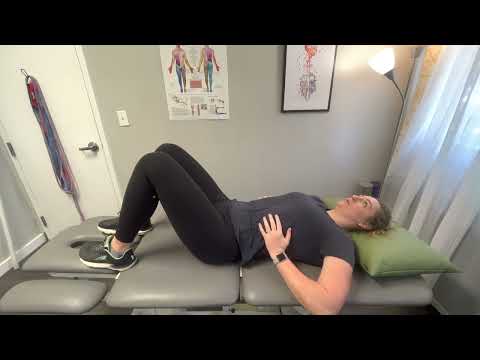
Hey there! So, let’s chat about something super cool—segmental breathing exercises. It might sound a bit fancy, but don’t worry, it’s pretty simple.
You know how we all have those days when everything feels a bit too much? Yeah, I totally get it. That’s where these breathing exercises come in.
They’re like a little vacation for your mind and body. Seriously! Just a few minutes can totally change your vibe.
So, want to learn how to breathe your way to feeling better? Stick around! We’re gonna dive right in.
Unlocking Calm: The Mental Health Benefits of Breathing Exercises
Breathing. Seems simple, right? But here’s the thing: we often forget to do it right. Breathing exercises are like a hidden gem for your mental health. They can help you chill out, focus better, and even improve your mood. It’s all about reconnecting with something so fundamental.
When you get stressed or anxious, your body reacts. Your heart races, your muscles tighten, and you feel like you’re running a mile a minute. That’s where breathing exercises come in handy. Segmental breathing, for instance, focuses on different areas of your body while you breathe. You might think it sounds complicated, but it’s really about paying attention to how each part feels as you inhale and exhale.
Imagine sitting quietly and placing one hand on your chest and the other on your belly. As you take a deep breath in through your nose, feel that belly rise—like a balloon filling up with air! Then slowly breathe out through your mouth and feel everything relax. Seriously refreshing!
- Reduces Stress: Breathing exercises activate the parasympathetic nervous system—the «rest and digest» part of your body. This helps lower cortisol levels (the stress hormone) which can help calm those racing thoughts.
- Improves Focus: When you focus on breathing, it pulls your mind away from distractions—like that never-ending to-do list or worrying about tomorrow.
- Enhances Mood: Just a few minutes of deep breathing can release endorphins—those feel-good chemicals that can lift you up when you’re feeling down.
I remember once feeling overwhelmed at work; deadlines were looming over me like dark clouds. I decided to take a quick break outside for some fresh air and just breathed deeply for five minutes. You know what? I felt lighter afterwards! It was like hitting the refresh button in my head.
Another cool thing about breathing exercises is they’re super versatile—you can do them anywhere! Whether you’re stuck in traffic or waiting in line at the coffee shop, just take a moment to breathe deeply and you’ll find yourself feeling more grounded.
But remember this: if you’re dealing with tough emotions or anxiety that feels too big to handle alone, reaching out for support is key too—talking things out can make all the difference.
In summary: breathing exercises are more than just deep breaths—they’re tools to help manage stress, enhance focus, and boost mood. So next time life gets hectic, just pause for a sec—take a breath or two (or three). It could change everything!
Mastering the 3-3-3 Rule: A Simple Technique to Manage Anxiety Effectively
The 3-3-3 Rule is a neat little trick to help manage anxiety. It’s super simple and, like, really effective. So, what’s the deal? Basically, when you feel overwhelmed or anxious, you can use this technique to ground yourself and bring your focus back to the present moment.
Here’s how it works. You look around and identify:
This whole process takes just a minute or two but can seriously shift your focus from anxiety spirals back to reality.
Let me tell you about my friend Rachel. She has struggled with anxiety for years. One day while we were chatting over coffee (and she was fiddling with her cup), she mentioned how tough it was to keep her mind clear during stressful moments. Then I suggested trying out the 3-3-3 Rule. Now she uses it whenever she feels panic creeping in.
It’s amazing how something so simple can change things up! When she spots those three things around her and focuses on them instead of racing thoughts—boom! It helps ground her again.
And there’s another layer too—you might wanna try segmental breathing exercises alongside this technique. Like when you’re doing the 3-3-3 Rule, take deep breaths in between each step. Inhale deeply while focusing on what you see or hear; exhale slowly as you touch something solid. It just amplifies that calming effect.
To wrap this up: anxiety can be relentless sometimes, but techniques like the 3-3-3 Rule give you power over those overwhelming feelings. So next time you’re feeling that tightness in your chest or racing heart—you know what to do!
Transform Your Mental Health: The Benefits of Breathing Exercises Explained
Breathing exercises are a game changer for your mental health. Seriously, they’re like magic little tools you can use anytime, anywhere. They help calm your mind and improve your mood.
When you breathe deeply, your body gets more oxygen, which is essential for everything—especially brain function. Also, it activates your parasympathetic nervous system. This system basically tells your body to chill out after a stressful situation. So, when you’re feeling overwhelmed or anxious, just taking a moment to focus on your breath can make a huge difference.
One great technique is called segmental breathing. It’s all about paying attention to how you breathe in different areas of your body—like your belly, chest, and even up into your shoulders. This method can help you become more aware of tension in those areas and release it.
Try this:
You might be surprised at how much better you feel after just a few minutes of this practice! It’s really about connecting with yourself.
Now, let’s chat about the benefits:
Oh, let me tell you about my friend Sam. He was always stressed out due to work pressure and was having trouble sleeping at night. I suggested he try segmental breathing before hitting the sack. At first he was skeptical—but after sticking with it for a couple of weeks, he noticed he felt way less anxious during the day and his sleep improved massively.
So yeah, whether it’s taking a few minutes during lunch or setting aside time each morning or evening—try these breathing exercises out! You might find that transforming your mental health is just one breath away.This simple practice fosters self-awareness, something we could all use a little more of in our lives! You know?
You know, it’s pretty wild how something as simple as breathing can have such a huge impact on our mental health. Like, when life gets chaotic, and you feel that stress creeping in, segmental breathing exercises are those little gems you might want to try out. They’re kind of like a reset button for your brain!
Let me tell you about a time when I felt completely overwhelmed. I was juggling work, personal stuff, and just life in general. You know that feeling when your chest is tight and everything feels heavy? Yeah, I hit that wall hard. So, I decided to give this breathing thing a shot after hearing someone rave about it. I settled down in a quiet corner, closed my eyes, and took a deep breath. Honestly? It felt silly at first. But as I focused on each part of my breath—inhale deeply, hold it for a beat, then let it go slowly—I could actually feel the tension easing away.
Segmental breathing is all about breaking down your breath into manageable pieces—like focusing first on filling up your lower lungs before moving to the middle and then the upper part. It’s like giving each section of your lungs some love! It sounds simple but man, it really helps you tune into what’s going on inside.
And here’s the thing: when you do this regularly, it becomes more than just an exercise; it’s like giving yourself permission to pause amidst the chaos. Like hitting “refresh” on a web page that’s been loading too long! You start feeling more grounded and aware of your body and thoughts.
So if you’re ever feeling anxious or stressed out—maybe before giving that big presentation or even during an intense moment—try taking a few minutes for some segmental breathing. Seriously! It’s amazing how connected you can feel again just by focusing on something so fundamental as your breath.