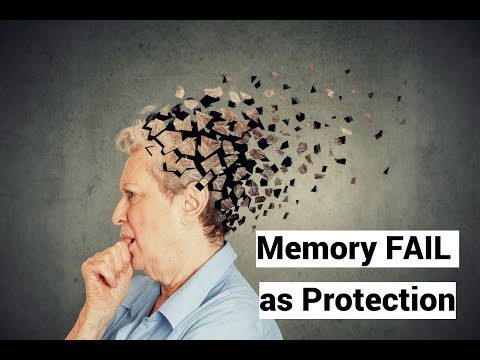
You ever hear about selective dissociative amnesia? Sounds like a fancy term, right? But it’s pretty wild when you think about it.
Imagine going through something really tough and your mind just decides to hit the «off» switch. Like, poof! Certain memories? Gone. Just like that.
It’s not just forgetting where you put your keys or what happened last Friday night. This is way deeper. It can mess with your emotional world in ways you wouldn’t believe.
So let’s chat about what this means for people who experience it. It’s a lot more common than you might think, and understanding it can make a real difference in how we see mental health overall. Curious yet? Let’s dig in!
Understanding Dissociative Amnesia: A Comprehensive Test Guide
Dissociative amnesia can be a pretty confusing topic, but once you get into it, it makes a bit more sense. Basically, it’s a mental condition where you can’t remember important information about your life, usually because of trauma or stress. It’s like your brain hitting the «reset» button on some really heavy stuff.
Now, within this category, there’s something called **selective dissociative amnesia**. This is when you might forget just specific details rather than everything. Imagine going through a tough breakup and blanking out all those painful memories connected to that person. That’s the gist of selective dissociative amnesia—it helps you avoid the hurt by blocking off memories.
So, what causes this to happen? Well, it often comes down to overwhelming events like abuse, accidents, or losing someone close to you. Your mind is trying to protect itself from feelings that are just too intense. It’s almost as if your brain says, “Nope! We’re not dealing with this right now.”
In terms of symptoms:
- Memory loss: You may struggle to recall personal information.
- Disorientation: Sometimes people feel confused about their identity or surroundings.
- Emotional numbness: You might not feel much at all or find it hard to connect with others.
But here’s a key point: these memory gaps aren’t due to medical conditions or substance use; they’re rooted in emotional distress. So if someone drinks too much and forgets things? That’s different.
When it’s time for treatment—yeah, there are options! A lot of folks benefit from therapy. Different types like cognitive-behavioral therapy (CBT) can help process those tough memories and build healthier coping strategies over time.
I remember a friend who went through something similar after witnessing a traumatic event. They really struggled with remembering the moment itself but could recall everything leading up to it—every detail clear as day until that event hit. Therapy helped them unpack their feelings slowly and get back some of those lost memories bit by bit.
In essence, while dissociative amnesia can feel bewildering and isolating, understanding its roots makes it easier to navigate through treatment options available and hopefully start reclaiming those lost pieces of yourself again!
Understanding Dissociative Amnesia: Key Symptoms and Insights
Dissociative amnesia is a pretty complex condition, but let’s break it down. Basically, it’s when you can’t remember important information about yourself or your past. It’s not like you’ve just forgotten where you put your keys; this is more serious, often linked to traumatic experiences.
One of the biggest pieces is selective dissociative amnesia. This means that you might forget specific events or details, usually related to trauma. For instance, if someone experienced a car accident, they might not remember the actual accident but recall everything else about their day leading up to it. It’s like your brain is trying to protect you from pain, but it goes a bit too far.
So what are some key symptoms of dissociative amnesia? Here are a few:
Now, let me tell ya a little story to make this clearer. Imagine Sarah. She was in a rough relationship and went through some very tough moments — breakups and arguments that really shook her up. After the breakup, she realized she couldn’t recall a lot of what happened during that time, even though she knew it was important. Her mind just sort of wiped those uncomfortable memories clean.
That’s the thing about dissociative amnesia—it often comes up as a response to stress or trauma. But while this form of memory loss can feel like relief in the moment, it can lead to confusion and further emotional distress later on.
If you’re wondering what causes this condition—or at least, how do we get here? Well, it’s usually tied closely with stress-inducing situations like abuse or accidents. The brain tries its best to protect itself by shoving away those nasty memories into some deep dark corner where they can’t hurt anymore.
It’s also worth mentioning that while dissociative amnesia isn’t super common compared to other mental health issues like anxiety or depression, it definitely exists out there. People experience these symptoms differently and may find themselves needing help navigating through their foggy memories.
Getting support from friends and therapists can be super helpful when dealing with something as complicated as this condition. Therapy gives space for people to work through their feelings and gradually process those lost memories if they’re ready.
In summary: Dissociative amnesia can be tricky territory—and understanding its symptoms helps demystify what someone may experience during such times. So if you ever encounter someone who seems distant or forgetful about certain chapters in their life—well, they could be dealing with something deeper than meets the eye!
Understanding and Treating Dissociative Amnesia: Effective Approaches for Recovery
Dissociative amnesia can feel like a fog rolling in over your memories. Sometimes, people lose chunks of their past, often around traumatic events. It’s like your brain decides to hit the pause button and blur out the painful bits. This isn’t just forgetfulness; it’s a coping mechanism, helping you deal with overwhelming experiences.
So, what exactly is **selective dissociative amnesia**? Basically, it’s when someone forgets specific events or information rather than everything. You might recall other memories just fine but draw a blank on certain things that are too much for your mind to handle. That can include traumatic events like accidents, abuse, or even stressful life changes.
Treatment for dissociative amnesia focuses on helping you regain those lost memories and process them in a safe way. Here are some effective approaches:
- Psychotherapy: This is one of the main treatment methods. Different types can help, like cognitive-behavioral therapy (CBT), where you work on changing negative thought patterns.
- Trauma-focused therapy: This method dives deep into past traumas to help you work through them gently.
- Mindfulness techniques: These practices encourage being present in the moment and can ease feelings of anxiety related to your memories.
- Medication: While there’s no specific drug for dissociative amnesia itself, medications such as antidepressants may help if you’re dealing with anxiety or depression alongside it.
You know how when something scares you and you want to hide from it? That’s kind of what happens with dissociative amnesia—it pushes away memories that are too tough to face at that moment. But hiding doesn’t solve the problem; facing those memories does.
A friend of mine once shared her experience with selective dissociative amnesia after going through a tough breakup. She couldn’t remember anything leading up to the breakup—what she thought were happy moments had just vanished from her mind! Through therapy, she began reconnecting with those lost memories, piece by piece. Each session was tough but also liberating as she learned not just about what happened but also about herself.
The road to recovery can be long and winding, but understanding what’s happening in your mind is the first step toward healing. Having supportive friends or family during this time can make all the difference too; it’s easier to feel safe when you know someone has your back.
In summary, dissociative amnesia isn’t something anyone chooses; it’s how some people cope with life’s toughest hits. Recognizing it as a form of self-protection helps create empathy for yourself or others who might be struggling with similar issues. Remember—healing takes time and is totally okay!
So, let’s talk about selective dissociative amnesia. It sounds super complicated, but bear with me. Basically, it’s a mental health condition where someone forgets specific events or information, usually tied to trauma or stress. It’s not just forgetfulness; it’s like your brain is saying, “Nope! We’re not going there.”
Imagine this: you’re having coffee with a friend and they suddenly freeze up when you mention something from the past—like that awful car accident they were in. They just can’t remember the details, even if it was a huge event in their life. That’s what happens with selective dissociative amnesia; they might have forgotten parts of that memory because it’s too painful to handle.
It can feel really frustrating for both the person experiencing this and their loved ones. There’s this layer of confusion and often shame about not remembering something that feels so important to others. You might think, “How could I possibly forget that?” But the truth is your brain has its own way of coping. It shields us from intense emotional pain because, let’s face it, reliving traumatic experiences isn’t anyone’s idea of a good time.
One thing to keep in mind is how common this kind of dissociation can be—especially in people who’ve faced significant trauma in their lives. There are myriad ways our mind protects us from distressing memories; some are more subtle than others.
Treatment often involves therapy that focuses on processing those buried memories at a pace that feels safe and manageable. Sometimes talking things out helps bring back those lost pieces, while other times it might just be about learning to cope with what happened when you’re ready.
Overall, understanding selective dissociative amnesia sheds light on how resilient our minds can be—how they try to safeguard us from hurt while also reminding us that healing often means confronting those shadows we’d rather keep buried deep down inside.