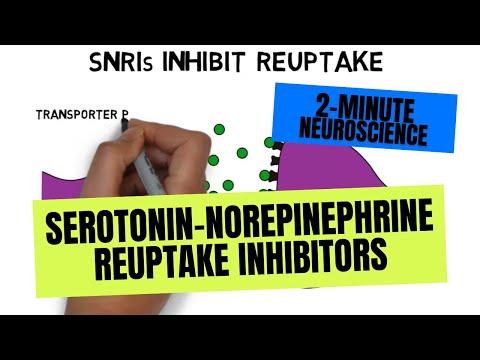
Hey! So, let’s chat a bit about norepinephrine reuptake inhibitors. Yeah, sounds fancy, right? But don’t let the name scare you off.
These little guys are a type of medication that can help with stuff like depression and anxiety. They work by messing with some chemicals in your brain, you know? And that can really help lift your mood or ease that constant worry.
I remember talking to a friend who had been feeling totally crummy for ages. She tried all sorts of things but was still stuck in this fog. Then her doc suggested one of these meds, and wow! It was like she finally got to see the sun again.
So, if you’re curious about how these work and maybe even if they could help you or someone you know, stick around! There’s way more to unpack here.
Exploring Norepinephrine: Its Impact on Your Mental Health and Well-Being
Norepinephrine is a neurotransmitter that’s kinda like the body’s natural cheerleader, you know? It helps regulate mood, focus, and stress responses. When things start going haywire, like during anxiety or depression, norepinephrine plays a huge role in how you feel and cope with life.
So, what does this neurotransmitter actually do? Well, it affects several areas of your brain and body. Here are some key points:
Now, norepinephrine reuptake inhibitors (NRIs) come into play when we talk about treating mental health conditions. These medications basically help keep norepinephrine available in the brain longer by preventing its reabsorption after it’s released. Think of it as giving norepinephrine an extended vacation instead of sending it packing too quickly.
But let’s break it down a little further. Imagine you’re feeling overwhelmed and nothing seems to grab your attention—the world feels foggy. That’s where NRIs might step in and help clear things up.
For example, if you have ADHD or depression, clinicians might prescribe an NRI like atomoxetine. This medication can help increase that all-important norepinephrine level which may lead to improved focus and a bump in mood over time.
Of course, everything comes with its own set of challenges too! You might experience side effects—like insomnia or increased heart rate—when taking these meds. It’s important to have open conversations with your healthcare provider about how you’re feeling.
Remember my friend Sarah? She struggled with focus for ages until she tried an NRI her doctor suggested. After a few weeks on the medication, she felt more energetic and alive—and was finally able to finish that novel she’d been stuck on for months!
In summary, while norepinephrine impacts lots of crucial areas related to mental health—like attention and mood—norepinephrine reuptake inhibitors can be suited treatment options for some people dealing with various conditions. Just keep communication open with whoever’s helping guide you through the process because every journey is unique!
Effective Strategies for Overcoming Emotional Blunting Caused by SSRIs
Emotional blunting can be a real bummer, especially if you’re on SSRIs (selective serotonin reuptake inhibitors) for things like depression or anxiety. You know that feeling when colors just feel a bit dull? Well, that’s kind of what’s happening. SSRIs work by increasing serotonin levels, but sometimes they can dampen your emotional responses. But don’t worry; there are ways to tackle this.
First off, let’s talk about **communication** with your doctor. Seriously, it’s super important. If you notice that your emotions are flatlining while on these meds, bring it up during your next appointment. Your provider might adjust the dosage or even switch you to a different medication that targets other neurotransmitters like norepinephrine.
Another cool strategy is **incorporating behavioral activation** into your life. This means you get out there and do things—maybe start a new hobby or join a book club (even if you just read one page!). Engaging in activities can help light that emotional spark back up.
You might also want to explore **mindfulness practices**. Meditation or yoga can really help ground you in the present and reconnect with your feelings. Try spending a few minutes daily focusing on your breath or the sensations in your body—it sounds simple but can be powerful.
Also consider **physical exercise**; it does wonders for overall mood and emotional health! Something as simple as going for walks or hitting the gym can boost those endorphins and bring some color back to life.
And here’s an interesting thought: try **expressing yourself creatively**! Whether it’s writing, painting, or playing music, these outlets can help you connect with and express emotions that might feel stuck.
Lastly, don’t underestimate the power of **support groups** or therapy as well. Chatting with others who are going through similar experiences can provide validation and comfort—like finding out you’re not alone in feeling this way.
So basically, if you’re feeling emotionally numb while taking SSRIs, don’t sweat it too much. You’ve got options! Just keep talking to your doctor about what you’re experiencing and explore these strategies to help break through that emotional fog.
Comprehensive List of Norepinephrine Reuptake Inhibitor Medications for Mental Health Treatment
Norepinephrine reuptake inhibitors, or NRI medications, are often used in mental health treatment. These meds work by increasing norepinephrine levels in the brain. This neurotransmitter is linked to mood regulation, attention, and fight-or-flight responses. So, when you think about it, making more of it available can help with things like depression and attention disorders.
Here’s a quick rundown of some common NRIs:
- Atomoxetine (Strattera): Primarily used for ADHD. It helps improve focus and reduces impulsivity.
- Reboxetine (Edronax): This one’s mainly prescribed for depression outside the U.S., though some clinicians may use it here too.
- Duloxetine (Cymbalta): While known as a serotonin-norepinephrine reuptake inhibitor (SNRI), it also powers up norepinephrine significantly. It’s great for both depression and anxiety disorders.
- Venlafaxine (Effexor): Similar to Duloxetine; it’s primarily an SNRI but increases norepinephrine levels at higher doses, making it effective for major depressive disorders.
Now let’s chat about how these meds might fit into treatment plans. If you’re dealing with major depressive disorder, for instance, an NRI could help lift your mood when other treatments haven’t worked as well. You know how sometimes you just feel bogged down? That’s where these medications come in to make a difference.
It’s important to talk with your doctor about what you’re experiencing because not everyone responds the same way to medications. They’ll likely consider factors like your medical history and any other meds you might be taking.
Possible side effects? Well, they can vary based on individual meds, but common ones might include insomnia, dry mouth, and even increased heart rate. So it’s essential to keep an open line of communication with your healthcare provider if anything feels off.
And remember: medication isn’t always the end-all-be-all solution! It works best when combined with therapy or lifestyle changes like exercise and proper nutrition. Sometimes just talking things out or getting moving can have an impact that complements what these meds are doing.
In short? Norepinephrine reuptake inhibitors play a key role in treating certain mental health conditions by altering neurotransmitter levels in your brain—aiming to boost that well-being vibe while keeping you feeling more centered and focused.
Norepinephrine reuptake inhibitors, or NRIs for short, are a type of medication that can play a big role in mental health treatment. They’re often used for things like depression and anxiety—conditions that a lot of people face but don’t always feel comfortable discussing.
So, what do these NRIs actually do? Well, they work on the brain’s chemicals—specifically norepinephrine, which is kinda like the gas pedal for your mood and energy levels. When you take an NRI, it helps to keep norepinephrine around longer in your brain by blocking its reabsorption into nerve cells. This can lead to improved mood and increased energy, which can be super helpful if you’re feeling low.
I remember chatting with a friend who was really struggling with depression. She’d tried different therapies and medications but hadn’t felt any relief. It was tough seeing her go through those ups and downs. Then her doctor suggested trying an NRI, and she was skeptical at first because of previous disappointments. But slowly, she started noticing small changes—like being able to get out of bed more easily or even enjoying her favorite hobbies again. Just hearing her talk about it made me feel hopeful for her.
Now, don’t get me wrong; NRIs aren’t for everyone, and they can come with side effects like anything else in life—some people might feel jittery or have trouble sleeping at first. It’s all about finding the right fit for you or someone you care about.
The thing is, mental health treatment isn’t just about popping pills; it’s often a combination of strategies. Therapy is super important too! So if you’re considering medication options like NRIs, chatting with a healthcare provider can really clarify how this stuff works and whether it fits your unique situation.
In the end, what stands out to me about NRIs—and mental health treatment in general—is that everyone’s journey looks different. It’s totally normal to seek help when things get tough! And those small victories? They matter more than we often recognize.