Hey, let’s chat about something that’s kind of a big deal in the world of mental health—serotonin. You’ve probably heard of it, right?
It’s often called the “feel-good” chemical. But, like, it’s way more complex than just that.
Imagine trying to explain your rollercoaster emotions on a tough day. That’s where serotonin comes in! It plays a huge role in how we feel, think, and even behave.
So, if you’re curious about how this little guy can make a difference in mental health treatment, stick around. Let’s unpack this together!
Exploring the Connection: Does Cheese Really Boost Serotonin Levels?
So, let’s talk about cheese and serotonin. It might sound a bit wild, but there’s definitely a connection worth exploring. Serotonin is that nifty little chemical in your brain that helps regulate mood, and it’s often referred to as the «feel-good» neurotransmitter. When people say something boosts serotonin levels, they’re usually talking about how it can potentially lift your mood or improve your emotional state.
Now, what’s cheese got to do with all of this? Well, cheese contains an amino acid called tryptophan. This is key because tryptophan is a building block for serotonin. So when you consume foods high in tryptophan—like cheese—you give your body the stuff it needs to produce more serotonin. Pretty cool, right?
But hang on a second—just eating a slice of cheddar won’t magically flood your brain with happy chemicals. The thing is, tryptophan needs to cross the blood-brain barrier to become serotonin, and it’s kind of a crowded space up there in your bloodstream. Other amino acids from different proteins compete with tryptophan for attention. If you load up on protein-rich meals without carbs, well, you might not be helping yourself much in the serotonin department.
So how does this work? Eating carbohydrates can help! Carbs trigger the release of insulin, which clears out competing amino acids from the blood. This creates an environment where tryptophan can happily make its way into the brain and get busy turning into serotonin.
Now let’s break down some key points:
It’s kind of like hosting a party where everyone wants to get through the door at once—if there’s too many others trying to get in (other amino acids), then some guests (like tryptophan) might end up waiting outside longer than they need to.
To put it into perspective, if you’ve ever felt more relaxed or happy after eating some cheesy comfort food (think mac and cheese or pizza), that could be partly due to those tasty carbs doing their job alongside the tryptophan from cheese.
However, don’t just go piling on cheese thinking it’ll cure everything. Mental health is complex and influenced by lots of factors—not just what we eat. It’s always best to take a balanced approach when considering diet’s role in mental health treatment.
Ultimately, while cheese can support serotonin production through its tryptophan content when combined with carbs, it’s only one piece of a bigger puzzle involving diet and mental health management. If you’re dealing with mood issues or thinking about dietary changes for mental health reasons, chatting it out with a professional is seriously important too!
Understanding Zoloft Tremors: Duration and Solutions for Relief
When you start taking Zoloft, or any medication for that matter, it can feel like a whole new world. For some people, things go pretty smoothly, but for others, it can come with side effects. One common issue you might hear about is **tremors**. So let’s unpack this a bit.
Tremors are those involuntary shaking movements you might notice in your hands, legs, or even your head. It can be super distracting and sometimes even a bit unnerving. If this sounds familiar, you’re definitely not alone. These tremors often happen because of how Zoloft interacts with serotonin levels in your brain.
Now, why exactly does Zoloft cause these tremors? Well, basically, it works as a SSRI (selective serotonin reuptake inhibitor), which means it helps to increase the level of serotonin in your brain. And while that’s great for improving mood and treating depression or anxiety, it can also lead to some unwanted side effects like those little shakes.
As for duration, tremors can vary quite a bit from person to person. Some folks might only experience them for a short period after starting the medication or when they first increase their dose. Others might notice these tremors stick around longer—sometimes several weeks after beginning treatment or making adjustments to dosage.
If you’re dealing with these annoying tremors and wanting some relief, there are options available:
- Talk to Your Doctor: This is key! Your doctor might suggest adjusting your dose or switching to another medication that doesn’t have the same side effects.
- Therapy: Sometimes combining medication with talk therapy can help give you better control over anxiety and stress without needing higher doses of meds.
- Lifestyle Changes: Regular exercise or mindfulness practices like yoga can reduce anxiety and help manage bodily tension.
- Avoid Stimulants: Caffeine and other stimulants can make tremors worse—so maybe hold off on that extra cup of coffee for now.
It’s important to remember that everyone reacts differently to medications. What works wonders for one person might not work at all for another—or could cause unexpected issues like those pesky shakes.
If you find that you’ve got those shaky hands going on, just know it’s okay to reach out for help and share what’s happening with your healthcare provider. They’re there to guide you through this journey!
Understanding the Generic Name for Zoloft: A Comprehensive Guide
So, let’s chat about Zoloft for a sec. You probably know it as a common antidepressant, right? But its generic name is actually **sertraline**. It’s kind of like how your friend might have a nickname but still has their real name.
Sertraline, being a selective serotonin reuptake inhibitor (SSRI), plays an important role in treating conditions like depression and anxiety. The main idea here is that it boosts the levels of serotonin in your brain. Serotonin is that nifty neurotransmitter responsible for mood regulation. Basically, more serotonin can lead to better mood and feelings of happiness.
Now, when you take sertraline, what happens is that it stops your brain from reabsorbing serotonin too quickly. That way, there’s more of it hanging around to help improve your mood and overall mental health. It’s like putting fresh air in a stuffy room; the more serotonin you have circulating, the brighter everything feels.
So you might wonder, why do people take it? Well:
- Major Depressive Disorder: Many folks with depression find relief from symptoms after starting sertraline.
- Anxiety Disorders: It’s also prescribed for conditions like obsessive-compulsive disorder (OCD) and social anxiety.
- Panic Disorder: If someone has panic attacks frequently, sertraline might help lessen those episodes.
But hold up—just because something works for one person doesn’t mean it’ll work for everyone else. Everyone’s brain chemistry is different; what helps one person may not do much for another.
Oh! And speaking of experiences with medication, I remember my friend Mark telling me about his journey with sertraline. He felt awful at first—like he was stuck in this deep fog—but after a few weeks, things started to lift for him. You could feel the change; he was smiling more often and even picked up his guitar again! That’s not to say it’ll be like that for everyone but it shows how individual this whole process can be.
It’s also good to know that there can be side effects when taking sertraline—like nausea or fatigue—so it’s essential to talk openly with your healthcare provider if you decide to go this route.
In sum, understanding sertraline—the generic name for Zoloft—is all about knowing how it works in boosting serotonin levels and helping manage mental health conditions effectively while keeping in mind that everyone’s experience will differ. If you or someone you know is considering this medication, just remember: communication with a doctor is key!
You know, when we talk about mental health treatment, it’s like standing on the edge of a really deep pool. There’s so much going on below the surface that we don’t always see, and one of those things is serotonin. This little guy—well, it’s not so little, it’s a neurotransmitter—is often called the «feel-good» chemical. But it’s way more than just that catchy title.
Imagine this: You’re having one of those days where you feel like everything is too much. The world seems gray, and no matter what you do, you can’t shake off that heavy feeling. That’s kind of how people with depression often feel. They might not have enough serotonin floating around in their brains to help lighten their mood. Therapy can definitely help—like chatting with your best friend who knows just how to lift your spirits. But for some folks, they need a little extra help from medication.
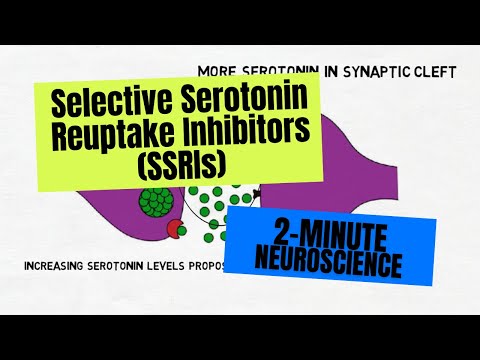
Selective serotonin reuptake inhibitors, or SSRIs for short, come into play here. They basically work by keeping serotonin from being sucked back up into the nerve cells too quickly. So instead of being whisked away too soon, there’s more of it hanging around in your brain to do its thing! It can be a game changer for many people struggling with anxiety and depression.
I remember hearing about a friend who started taking an SSRI after feeling stuck in this fog for years. At first, she was hesitant—what if it didn’t work? What if she felt weird? But slowly but surely, it began to help her see colors again in her life that had faded away long ago. She could laugh more easily and even look forward to hanging out with friends again.
But it’s not all rainbows and sunshine—you know? These meds can come with side effects or might take time before they really kick in. It’s super important to keep communication open between you and your doctor during this journey because everyone’s brain chemistry is different.
So yeah, while selective serotonin plays a major role in mental health treatment through meds like SSRIs, it’s not the only piece of the puzzle. It often works best alongside therapy or lifestyle changes like exercise and good sleep hygiene—not just one-size-fits-all solutions here! The ultimate goal? To help you feel more balanced so you can tackle life head-on without feeling overwhelmed by that gray cloud hovering above you all the time!