You know how some days you just feel a bit off? Like, everything gets heavy, and even the good stuff doesn’t seem to hit right? Well, that’s where our buddy serotonin comes in.
This little chemical is a big deal in our brains. It affects how we feel and helps regulate mood. But here’s the kicker: sometimes it just doesn’t hang around long enough. Ever heard of selective serotonin reuptake inhibitors? Sounds fancy, huh?
Basically, they help keep serotonin in the game longer. So what’s that mean for you? It could totally change the way you experience life—seriously! Let’s unpack this together and see what all the buzz is about!
Understanding Selective Serotonin Reuptake Inhibitors: Key Examples and Their Uses
Selective Serotonin Reuptake Inhibitors, or **SSRIs**, are a class of medications commonly used to treat mental health issues, especially depression and anxiety. They work by increasing the level of serotonin in your brain. Serotonin is a neurotransmitter, which is basically a chemical messenger that helps regulate mood, emotions, and overall well-being. You know how sometimes you just feel… off? Well, low serotonin levels can play a big role in that.
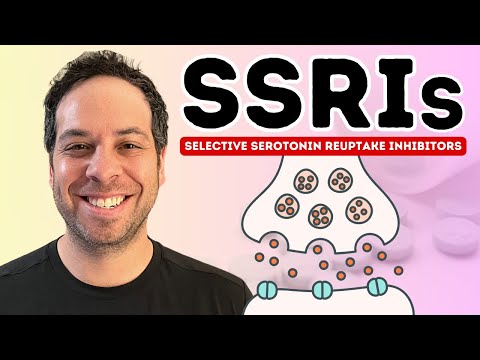
SSRIs block the reabsorption (or reuptake) of serotonin into neurons, making more serotonin available in the synaptic space between neurons. This helps improve communication in the brain and can lead to a better mood over time. So while these medications don’t work overnight—like you can’t expect instant results—they can bring about significant improvements for many people.
Some common examples of SSRIs include:
- Fluoxetine (Prozac): Often prescribed for depression and obsessive-compulsive disorder (OCD).
- Sertraline (Zoloft): Used for anxiety disorders, PTSD, and depression.
- Citalopram (Celexa): Generally prescribed for major depressive disorder.
- Escitalopram (Lexapro): A newer SSRI often used for generalized anxiety disorder.
Now, let’s touch on how they’re actually used. These medications are usually part of a broader treatment plan that might also include therapy. Imagine facing tough stuff like anxiety or sadness—you go to therapy to talk it through while also taking an SSRI to help lift some of that weight off your shoulders. It’s like having both a coach and gear to help you score goals.
It’s important to remember that not everyone responds the same way to SSRIs. Some folks might feel great relief with one medication but have side effects from another. That’s why it’s super necessary to have regular check-ins with your doctor when starting any new medication. Finding the right fit is all about patience and communication.
Side effects can be a real concern too! They might include nausea, weight gain, or even changes in sleep patterns—so keep an open line with your healthcare provider if anything feels off.
Many people report feeling changes after several weeks of taking an SSRI; sometimes it takes some time before you notice improvement. And that’s completely okay! Just hang tight—it’s all part of figuring things out together with your doctor.
SSRIs can be really helpful tools in managing mental health conditions when used properly—just remember they’re not magic solutions. Combining them with other forms of support like therapy or lifestyle changes often creates the best outcomes for many individuals dealing with mental health challenges.
In summary, SSRIs represent an important advancement in treating mental health issues by targeting serotonin levels in the brain. With understanding and proper guidance from healthcare providers, many can find relief and improve their quality of life—step by step!
Comprehensive List of SSRIs: Understanding Common Antidepressants and Their Uses
It’s super interesting how we talk about mental health, right? One of the big players in the antidepressant world is the group called **SSRIs**, or Selective Serotonin Reuptake Inhibitors. These meds are like, well, your brain’s cheer squad for serotonin, which is a chemical that helps regulate mood.
What do SSRIs do? Basically, they work by blocking the reabsorption (or reuptake) of serotonin in your brain. This means there’s more serotonin available to help lift your mood. If you ever feel down or anxious, this can be a game changer, you know?
You might be wondering about specific SSRIs and how they’re used. Here’s a rundown of some common ones:
- Fluoxetine (often known by its brand name Prozac) — It’s commonly prescribed for depression, anxiety disorders, and even conditions like OCD.
- Sertaline (Zoloft) — Another popular choice that’s used for depression and anxiety but can also help with PTSD.
- Citalopram (Celexa) — Usually prescribed for major depressive disorder and sometimes for anxiety.
- Escitalopram (Lexapro) — It’s kind of like Citalopram but with a twist; it’s often more effective for generalized anxiety disorder.
- Paroxetine (Paxil) — This one’s good for depression but also works on social anxiety and PTSD.
These meds can really vary from person to person. Some folks might find that one works wonders while another doesn’t do much at all. That’s why it’s so important to have an open line of communication with your healthcare provider.
Side effects are something to keep in mind too. They can range from mild issues like nausea or fatigue to more serious concerns like changes in mood or sleep patterns. It’s not a one-size-fits-all deal; finding the right fit can take some time and patience.
And here’s something emotional to consider—imagine someone who’s been struggling with depression for ages but finally finds a medication that clicks just right. It can feel like coming out of a fog, where suddenly colors seem brighter again! That journey can be tough but finding support through therapy or friends makes all the difference.
All this said, understanding SSRIs helps demystify what they do and why they’re often first-line treatments for those dealing with mental health challenges. Feel free to dive into discussions about them; knowledge is power when it comes to taking care of your mental health!
Understanding SSRI Side Effects: What You Need to Know for Better Mental Health
When we talk about mental health, one medication that often comes up is the SSRI, or Selective Serotonin Reuptake Inhibitor. These meds are used mainly for depression and anxiety. They work by increasing serotonin levels in your brain, which can really help improve your mood. But let’s keep it real, SSRIs can come with their own set of side effects.
So, here’s the deal. Side effects vary from person to person, and some folks experience them more intensely than others. Here’s a quick look at some of the common ones:
- Nausea and stomach issues: A lot of people report feeling queasy when they start taking SSRIs. It usually settles down after a week or two.
- Weight gain: Some might notice they’re packing on a few extra pounds over time. It can be frustrating if you’re trying to stay fit.
- Sexual dysfunction: Yep, this one’s a biggie. Many report decreased libido or difficulties with arousal and orgasm.
- Sleep disturbances: Some might find it hard to sleep or feel excessively tired during the day.
- Anxiety: Ironically, while these meds are meant to ease anxiety, some people feel more anxious when they first start taking them!
Let me tell you a little story about my friend Jane. She was feeling pretty low and decided to try an SSRI after talking with her doctor. At first, she felt more anxious than before! But after about two weeks, her mood started to lift – but she also noticed she was having trouble sleeping and lost interest in intimacy with her partner. So yeah, not all side effects hit everyone the same way.
Now let’s talk about something else important: Your doctor is your go-to buddy here. If you start taking an SSRI and something feels off—like if you’re experiencing extreme side effects—don’t just sit back and deal with it in silence! Talk it out with your healthcare provider; they might suggest adjusting your dosage or switching medications.
Sometimes these side effects fade away as your body adjusts to the medication. But other times? Well, you might have to try different options ‘til you find what works best for you.
Another thing to keep in mind is that stopping SSRIs suddenly isn’t a good idea either! It can lead to withdrawal symptoms like dizziness or flu-like feelings. Always make changes under medical guidance—that’s super important!
In summary? SSRIs can be really effective tools for managing mental health issues but come with potential side effects that vary widely among individuals. You’ve got options though; just stay open with your doctor about what you’re experiencing.
Feel free to reach out anytime if you need someone to chat about what you’re going through—it really makes a difference when we don’t bottle things up!
Selective serotonin reuptake inhibitors, or SSRIs, are a big topic when it comes to mental health. You know how sometimes, you just feel stuck in a loop of worries and sadness? Like, no matter what you do, it’s hard to shake it off? That’s where these medications come into play. They basically help your brain by increasing levels of serotonin – a chemical that helps regulate mood.
So, imagine you’re at a party, and there’s this amazing song playing. But then the DJ keeps fading it out every few seconds. Annoying, right? Well, that’s kind of what happens in our brains if serotonin is being reabsorbed too quickly. SSRIs block that reabsorption, allowing more serotonin to hang around, making you feel a bit better.
I remember a friend who was dealing with pretty serious depression. She felt like she was constantly walking through fog—you could see the light ahead but couldn’t reach it. After talking with her doctor about trying an SSRI, she was hesitant but finally decided to give it a shot. After a while, she started feeling more like herself again—lighter and more hopeful.
But here’s the thing: SSRIs aren’t magic pills. They take time to work and can come with side effects that some people struggle with. It’s important to have open conversations with your doctor and be patient with yourself during the process.
So anyway, SSRIs can play an essential role in balancing things out when life feels heavy. It’s all about finding the right fit for each individual person—whether that’s medication, therapy, or both! Ultimately though, everyone deserves to find their way back to feeling good again and taking care of their mental health is super crucial in this journey.