Hey, you know how sometimes life just feels, well, heavy? Like, you’re trudging through mud and can’t quite shake that fog? Yeah, I’ve been there too.
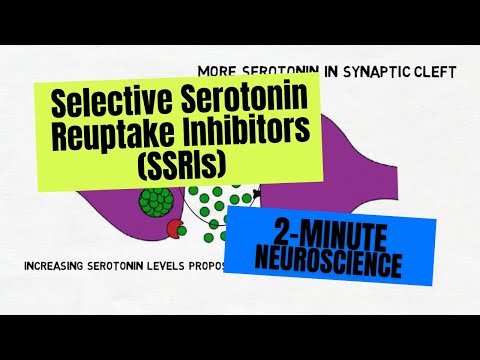
That’s where SSRIs come into play. They stand for selective serotonin reuptake inhibitors. Sounds like a mouthful, right? But don’t worry; it’s not as complicated as it sounds!
Basically, they’re a common type of antidepressant. They help boost your mood by affecting brain chemicals. And trust me, finding the right balance can be a game changer.
So let’s chat about SSRIs – what they are, how they work, and why so many folks rely on ‘em in the mental health journey. You with me?
Comprehensive Guide to SSRIs: A Complete List of Selective Serotonin Reuptake Inhibitors
SSRIs, or selective serotonin reuptake inhibitors, play a pretty significant role in mental health treatment today. They’re often prescribed for conditions like depression and anxiety, helping to balance out serotonin levels in your brain. So, what’s the deal? Let’s break it down.
What Are SSRIs?
Okay, so SSRIs mainly target serotonin, which is a neurotransmitter that affects mood. When you’re feeling down or anxious, sometimes your brain doesn’t keep enough serotonin flowing. That’s where these medications come into play—they block the reabsorption (or “reuptake”) of serotonin back into the nerve cells. Basically, they help your brain get more of that feel-good chemical.
Common SSRIs
There are quite a few SSRIs out there. Some of the most well-known ones include:
- Fluoxetine (Prozac): Often used for depression and OCD.
- Citalopram (Celexa): Commonly prescribed for depression.
- Escitalopram (Lexapro): Great for anxiety and depression.
- Sertraline (Zoloft): Works well for PTSD and social anxiety.
- Paroxetine (Paxil): Helpful for panic disorder and depression.
These meds can help people feel more stable emotionally, but everyone’s different—what works wonders for one person might not do much for another.
The Benefits of SSRIs
So why are these medications often the go-to? For starters:
- Easier to tolerate: Generally speaking, they have fewer side effects than older antidepressants.
- Efficacy: Many studies show they can significantly improve symptoms of depression and anxiety.
- No dependence: Unlike some other medications used to treat these conditions, SSRIs aren’t addictive.
Imagine a friend who felt overwhelmed all the time—thoughts racing and emotions in turmoil. After starting on an SSRI, they noticed things calmed down a bit. Conversations flowed easier; joy crept back into their daily routine.
Potential Side Effects
Of course, it’s not all sunshine and rainbows. Some folks may experience side effects like:
- Nausea or upset stomach.
- Drowsiness or insomnia.
- A change in libido or sexual function.
- Mild weight gain over time.
It’s super important to keep communicating with your healthcare provider about how you’re feeling on these meds. Sometimes side effects can settle after your body adjusts.
The Long Game with SSRIs
One thing to remember is that SSRIs usually take time to kick in—like several weeks sometimes—so patience is key! That means if you don’t notice changes right away, don’t lose hope.
Plus, these medications are often part of a bigger picture strategy that includes therapy and lifestyle changes. Pairing talk therapy with medication can totally enhance your healing journey—you know? It’s like having multiple tools in your toolbox!
In essence, SSRIs have made a big impact on how we treat mental health issues today—they’re not a magic fix but definitely an important piece of the puzzle. If you’re considering them or already using them, just keep talking things over with your doctor. Every journey is unique!
Understanding SSRI Side Effects: What You Need to Know for Better Mental Health
Taking the plunge into the world of SSRIs (selective serotonin reuptake inhibitors) can feel like stepping into a whole new universe. These medications are often prescribed to help with things like depression and anxiety, right? But, here’s the thing: they come with their own set of side effects that you should totally be aware of.
First off, SSRIs work by boosting serotonin levels in your brain. Serotonin is that nifty neurotransmitter that helps regulate mood. More serotonin usually means a happier you! But just because they can help doesn’t mean they’re all sunshine and rainbows.
One common side effect is **nausea**. Seriously, you might feel like your stomach’s doing backflips when you first start taking them. Like when I started my first SSRI, I thought I was coming down with the flu. But it usually calms down after a week or two.
Another one to look out for is **weight gain**. It doesn’t happen to everyone but some people might notice their pants get tighter over time. If you’ve struggled with weight in the past, it can be frustrating. Talking to your doctor about this is key if it starts bothering you.
You might also experience **sexual dysfunction**—that’s a fancy way of saying it can mess with your libido or performance. For some people, this side effect can be a deal-breaker. You know? It’s tough when something that’s supposed to make you feel better makes another part of life awkward or uncomfortable.
Then there are those pesky **sleep disturbances**—some folks feel super drowsy while others can’t fall asleep at all! If you’re tossing and turning every night instead of getting sleepy vibes from these meds, that’s something to chat about with your doctor.
Don’t forget about emotional blunting! This one really hits hard sometimes—it can feel like you’re just going through the motions without really *feeling* anything deeply anymore. If you used to cry easily at movies or get super excited about plans but now find yourself kinda flat-lined emotionally, that’s worth mentioning too.
To wrap this up, understanding SSRI side effects is vital for your mental health journey. Paying attention to how they affect you helps keep everything in balance and allows for open communication with your healthcare provider.
So remember:
- Nausea – stomach discomfort that usually passes.
- Weight gain – watch those jeans!
- Sexual dysfunction – could impact intimacy.
- Sleep disturbances – may cause sleep issues.
- Emotional blunting – feeling less intense emotions.
You got this—you’re not alone in navigating these waters! Just stay informed and don’t hesitate to ask questions; it’s all part of looking out for yourself on this journey.
Understanding SSRIs: What Does SSRI Stand For and How They Impact Mental Health
Sure! Let’s break down what SSRIs are and how they impact mental health in a simple way.
SSRI stands for Selective Serotonin Reuptake Inhibitor. Sounds fancy, huh? But basically, they’re a kind of medication used mainly to treat depression and anxiety disorders. Here’s how they work: Imagine serotonin, which is a little messenger in your brain that helps regulate mood. When serotonin is released into the brain, it can help you feel happier and more balanced.
Usually, serotonin gets reabsorbed quickly by the neurons that release it, which can limit its positive effects. But SSRIs block this reabsorption process—it’s like holding onto the good vibes longer. By doing this, SSRIs increase the availability of serotonin in your brain, which can help lift your mood over time.
Now you might wonder, why do people take these medications? Well, it’s because many folks experience low serotonin levels due to stress or other factors that affect their mental health. These drugs can be particularly helpful for conditions like:
- Major depressive disorder
- Generalized anxiety disorder
- Panic disorder
- Obsessive-Compulsive Disorder (OCD)
- Social anxiety disorder
One interesting thing about SSRIs is that they often take a few weeks to kick in. So if someone starts taking them and doesn’t feel better right away—don’t worry! Sometimes patience is key here.
But hey, not everyone reacts the same way to these meds. Some people might find relief from their symptoms while others could experience side effects like nausea or insomnia. It’s all about finding what works for you personally; it can take some time.
A friend of mine once shared her journey with an SSRI after struggling with intense anxiety. At first, she was nervous about starting medication but decided to give it a shot after weeks of feeling stuck in her own head. Slowly but surely, she noticed she was able to enjoy outings with friends again without spiraling into panic attacks.
That said though, it’s super important not to just jump into taking SSRIs on your own without chatting with a professional first—a doctor or psychiatrist knows best here! They’ll guide you on dosage and any potential interactions with other meds you might be taking.
In short, SSRIs are tools designed to help manage mood disorders by enhancing serotonin levels in our brains. They’ve helped tons of people feel better and reclaim their lives—so they play a significant role in modern mental health treatment today!
SSRIs, or selective serotonin reuptake inhibitors, have kind of become a mainstay in mental health treatment these days. They’re often prescribed for conditions like depression and anxiety, which makes sense considering how many people are dealing with those issues. You know, it can be really tough to get out of bed some mornings or feel like you don’t just want to crawl under the covers and hide from the world. I mean, I’ve had friends and family who’ve been through that.
So, when someone’s feeling that low or anxious, SSRIs can help by boosting levels of serotonin in the brain—a chemical that plays a key role in mood regulation. But it’s not all sunshine and rainbows. For some people, these meds can take a bit to kick in—like weeks, sometimes. That can be frustrating! Plus, they come with side effects that could make you hesitate before jumping on board.
I remember when my buddy Sam first started taking them. He was nervous at first but wanted to give it a shot after trying everything else. After a while, he told me he felt more “like himself” again. It’s wild how something as small as a pill can change your perspective on life.
But here’s the catch: SSRIs aren’t the only answer. They work best when combined with therapy and lifestyle changes—think exercise or just getting enough sleep. It’s like putting together pieces of a puzzle; treating mental health isn’t just about one thing.
And then there are some folks who don’t respond well to SSRIs at all; their journey might be different and take them through trial and error with other options like therapy or different medications altogether.
It’s interesting how our understanding of mental health evolves over time too. Just a couple of decades ago, we didn’t have this kind of clarity about what works for whom—or why certain treatments make such a difference for some people but not others.
So yeah, SSRIs play an important role in modern mental health treatment—they really do—but they come with complexities that shouldn’t be overlooked. It’s all about finding what works best for you!