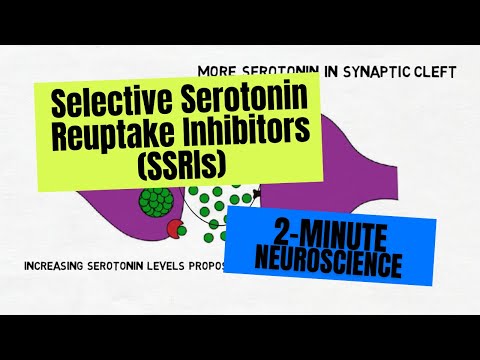
Okay, so let’s chat about something that’s on a lot of people’s minds: SSRIs. You know, those little pills that folks often take for depression and anxiety?
I mean, they’re like this common thing in the mental health world, right? But seriously, what even are they?
I remember when my friend first started taking them. She was nervous but hopeful. And honestly? It really helped her.
But it’s not just about popping a pill. There’s a whole lot more to it than that. You with me so far? Cool! Let’s break down what SSRIs do and how they can make a difference.
Comprehensive Guide to SSRI Medications: Full List and Uses for Mental Health
Sure! Let’s chat about SSRIs, or selective serotonin reuptake inhibitors. These medications are a pretty big deal in the mental health space. They’re mostly prescribed for conditions like depression, anxiety disorders, and sometimes even PTSD.
So, what’s the deal with SSRIs? Basically, they work by increasing the level of serotonin in your brain. This is a neurotransmitter that plays a huge role in mood regulation. And when serotonin levels are off balance, it can lead to those gnarly feelings of sadness or anxiety.
- Common SSRIs include medications like fluoxetine (Prozac), sertraline (Zoloft), and citalopram (Celexa). These are often the go-to options for doctors.
- Another one you might hear about is escitalopram (Lexapro), which is super similar to citalopram but often considered more effective for some people.
- Dapoxetine (Priligy) is also an SSRI but usually used for premature ejaculation rather than traditional mental health issues.
When someone starts SSRIs, it might take a few weeks before you really feel any changes. Like seriously—patience is key here! You could experience some side effects at first. These can range from nausea to sleep issues or even changes in appetite.
One thing worth mentioning is that everyone reacts differently to these meds. Like, I know someone who felt way better after starting Zoloft but had to stop taking it because of insomnia—it can be hit or miss sometimes.
Now, let’s talk about why someone might be prescribed SSRIs specifically:
- Major Depressive Disorder: If you’re feeling hopeless and sad most days, this could be one reason your doctor suggests an SSRI.
- Anxiety Disorders: Conditions like generalized anxiety disorder or panic disorder can also benefit from these meds—helping you feel more balanced.
- Obsessive-Compulsive Disorder: Many people with OCD find that SSRIs help reduce their compulsive behaviors.
- Post-Traumatic Stress Disorder: They’re sometimes used in treating PTSD symptoms as well.
Now let’s not forget about discontinuation syndrome! That’s when you stop taking an SSRI suddenly and experience withdrawal-like symptoms—dizziness, irritability—you name it. So if you’re thinking about switching up your medication, definitely chat with your doctor about tapering off slowly.
In short, SSRIs are important tools that many folks rely on to cope with mental health struggles. It’s all about finding what works best for you—and that process takes time!
Understanding SSRI Drugs: Uses, Benefits, and Effects on Mental Health
So, you’ve probably heard of SSRIs, right? They’re a big deal in the world of mental health. Let’s break it down together.
SSRIs stand for Selective Serotonin Reuptake Inhibitors. That’s a mouthful, huh? Basically, what they do is help boost the levels of serotonin in your brain. And why does that matter? Well, serotonin is often called the «feel-good» chemical because it helps regulate mood, anxiety, and overall well-being. If you’ve ever felt down or anxious for a long time, these meds might be tossed around as an option.
But not all SSRIs are created equal. Some common ones include:
- Fluoxetine (Prozac)
- Sertraline (Zoloft)
- Citalopram (Celexa)
- Escitalopram (Lexapro)
Each one has its unique vibe and potential side effects like any other medication. It’s kind of like choosing between different flavors of ice cream — they all work differently for different people.
Now, let’s chat about uses. SSRIs are often prescribed for depression and anxiety disorders. You know that feeling when everything seems overwhelming? SSRIs can help lift that fog. They can also be effective for conditions like obsessive-compulsive disorder (OCD), post-traumatic stress disorder (PTSD), and even some eating disorders.
I remember this friend of mine who was really struggling with anxiety every day before work. Just getting out of bed felt like climbing a mountain! After chatting with her doctor and starting an SSRI, she said it was like finally being able to see the path up the mountain instead of feeling stuck at the bottom forever.
Just to clarify though: while SSRIs can be super helpful, they’re not a magic solution. It takes time—sometimes weeks—to really feel the full effects. And there could be some side effects to watch out for too, like nausea or changes in sleep patterns.
Benefits? Oh yeah! Many people notice improved mood and reduced anxiety symptoms after getting adjusted to an SSRI. It can feel like life just gets a little brighter again—you reconnect with hobbies you loved or start socializing more because those heavy feelings lift.
Of course, it’s essential to keep working with your doctor during this process. Sometimes dosages need tweaking or another med might be better suited for you based on how you’re feeling throughout treatment.
But here’s something important: If you decide to stop taking them—don’t just quit cold turkey! That can mess with your system pretty badly; it’s best done under your doc’s supervision over time.
In summary, SSRIs play a significant role in mental health care today—a tool among many in helping folks navigate tricky emotional waters. So if you’re considering them or know someone who is—it’s good to have open conversations about what to expect and how they might help!
Understanding SSRI Side Effects: What You Need to Know for Better Mental Health
SSRIs, or selective serotonin reuptake inhibitors, are a common class of medications used to treat depression and anxiety disorders. They work by increasing the levels of serotonin in your brain, which can help improve your mood and emotional state. But like any medication, SSRIs come with their own set of side effects that you should be aware of.
First off, let’s talk about some common side effects you might encounter. It’s important to keep in mind that everyone reacts differently, so not everyone will experience these:
- Nausea: Some people feel a bit queasy when they start taking SSRIs. It often goes away after a few days.
- Weight gain: This can happen over time. Some folks may notice they’re putting on pounds while on these meds.
- Sleep disturbances: You could find it harder to fall asleep or stay asleep. That can be super frustrating.
- Sexual dysfunction: Many people report changes in libido or difficulties with sexual performance.
- Dizziness: Feeling lightheaded is another possibility for some who start these medications.
Now, if you’re thinking about starting SSRIs or are already on them, it’s good to talk to your doctor about any concerns. They might adjust your dosage or recommend switching medications if the side effects become too bothersome.
For example, I once had a friend who started taking an SSRI for his anxiety. At first, he felt somewhat nauseous every morning after taking his pill. It took him a little time to get used to it; but eventually, his body adjusted and the nausea lessened considerably.
But not all side effects are equal—some can emerge much later after starting treatment. Things like withdrawal symptoms if you decide to stop taking them suddenly can really catch you off guard:
- Flu-like symptoms: A sudden cessation might lead you feeling achy and fatigued.
- Electric shock sensations: This one sounds odd, but many report feeling weird zaps or jolts throughout their body.
- Irritability and mood swings: Even worse than before you started the meds!
If you’re considering stopping your medication—or changing anything—it’s super important not to just stop cold turkey! Always chat with your healthcare provider first because tapering down gradually can help minimize those nasty withdrawal effects.
So, what’s the bottom line? SSRIs can be a game-changer for mental health for many people. Still, being aware of potential side effects is crucial for making informed decisions about your treatment plan. If something feels off or you’re struggling with any side effect—seriously—don’t hesitate to reach out for help! Your mental health matters way too much to let these things slide by without at least talking them through with someone who gets it.
In essence, always communicate openly with your doctor about what you’re experiencing while on SSRIs. After all, managing mental health is very much about finding the right balance and figuring out what works best for you!
Alright, let’s chat about SSRIs, you know, those selective serotonin reuptake inhibitors. They get tossed around a lot when we talk about mental health, especially for conditions like depression and anxiety. It’s kind of wild how many people rely on them to feel better. I mean, imagine struggling to get out of bed or enjoy your favorite show because your mind just won’t let you. Not fun, right?
So, what these SSRIs do is pretty neat. They help keep serotonin—the feel-good chemical—in your brain for longer. Basically, they stop it from being reabsorbed too quickly by the neurons so that it can hang around and do its thing a bit longer. This can really help lift mood or ease anxiety over time.
But here’s the thing: taking an SSRI isn’t like popping a magic pill and instantly feeling great. It usually takes a couple weeks before you notice any real changes. Plus, some people might experience side effects like weight gain or trouble sleeping. I remember my friend Alex started on one after feeling super down for months. While he felt hopeful after a while, he also dealt with some annoying side effects at first!
And then there’s the whole idea of stopping them. If someone decides they want to go off an SSRI, it’s not always as easy as just stopping cold turkey; sometimes doctors recommend tapering down to avoid withdrawal symptoms. Like Alex had to slowly reduce his dosage; he said it was definitely a journey.
SSRIs are just one piece of the puzzle when dealing with mental health issues though! Therapy and lifestyle changes play huge parts too. It’s kind of comforting to know that there are options out there—whatever works best for you is what matters most!
In short? SSRIs can help many folks navigate their emotional ups and downs but don’t forget they’re part of a bigger picture—there’s no one-size-fits-all solution here!