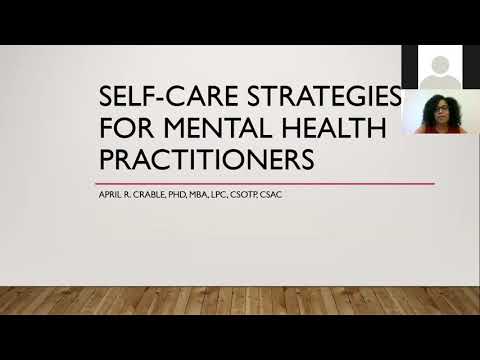
You know, being a mental health professional can be super rewarding. But it can also be, like, overwhelmingly tough sometimes. You’re carrying so much—clients’ stories, their struggles, and your own stuff too.
Honestly, if we don’t watch out, we can burn out fast. And that’s no good for you or anyone counting on you. Seriously, you can’t pour from an empty cup.
So let’s chat about some self-care strategies that can really help keep you grounded. It’s about finding little ways to recharge and take care of yourself. Because at the end of the day, you deserve to feel good too!
Essential Self-Care Strategies for Mental Health Professionals: Download Your PDF Guide
So, you’re a mental health professional, huh? That’s amazing! Seriously, the work you do is vital. But let’s face it: taking care of everyone else can really take a toll on your own mental health. That’s why self-care isn’t just a buzzword; it’s pretty essential for you to keep doing what you love without burning out.
One key thing to remember is that self-care is not selfish. It’s like putting on your own oxygen mask first before helping others. You need to recharge so you can be fully present for your clients. So what are some essential self-care strategies that can really make a difference?
- Set Boundaries: You have the right to say no sometimes. It might feel tough at first, but protecting your time and energy is critical. Imagine how draining it feels when you’re overbooked all week.
- Practice Mindfulness: This could be meditation, deep breathing, or even just pausing for a moment to notice your surroundings. You know those days when everything feels chaotic? Taking even a few minutes to breathe can help ground you.
- Stay Active: Physical activity isn’t just good for the body; it works wonders for the mind too! Whether it’s yoga, running, or just a walk around the block—it helps release those feel-good endorphins.
- Connect with Peers: Sometimes, you need to talk about the heavy stuff with someone who understands. Having peer support groups or simply grabbing coffee with fellow professionals can lighten your load.
- Pursue Hobbies: Make time for things that light you up outside of work. Whether it’s painting, reading, or gardening—you deserve joy in your life! Remember when whatever hobby was an escape from reality? Yeah—bring that back into focus!
- Nurture Nutrition: Feeding your body well is crucial. Think about how sluggish you feel after junk food versus how energized healthy meals make you feel. Meal prep anyone?
- Cultivate Gratitude: Keep a gratitude journal—write down three things you’re thankful for each day. This little habit shifts your focus from stressors to positives in life.
Let me tell ya: it was one of those hectic weeks when I was juggling deadlines and client sessions that I realized I had forgotten to eat lunch… again! That night I jumped onto my old hobby—cooking—and whipped up something delicious while blasting my favorite tunes. It felt restorative and reminded me why I need that time for myself.
So seriously: prioritize *your* mental health as much as those of others. Using these strategies consistently will not only help keep *you* balanced but will also enhance the quality of care you provide to your clients! Remember—you matter too!
Essential Self-Care Strategies for Counselors: A Review of Scholarly Articles
Self-care is a big deal for counselors and mental health professionals. The work can be emotionally draining, you know? It’s crucial to find ways to recharge and stay balanced. So what are some essential self-care strategies that the experts recommend? Let’s break it down.
1. Establish Boundaries
Counselors often blur the lines between their professional duties and personal life, which can lead to burnout. Setting clear boundaries is key. Make sure you’re not taking your work home with you. That means keeping a calendar for appointments and sticking to it.
2. Regular Supervision or Consultation
Talking things through with colleagues is super helpful. Regular supervision provides a space to discuss challenges and receive support. It’s kind of like having a safety net when things get tough.
3. Engage in Personal Therapy
Many counselors benefit from being on the other side of the chair too! Engaging in personal therapy allows you to process your own feelings and experiences, which helps prevent emotional overload.
4. Practice Mindfulness
Mindfulness techniques, like meditation or deep breathing exercises, can really ground you during stressful days. Just taking five minutes to breathe deeply can bring everything back into focus.
5. Physical Activity
Exercise isn’t just good for your body; it’s great for your mind too! Regular physical activity releases those feel-good endorphins that help improve mood and decrease stress levels.
6. Pursue Hobbies
Having interests outside of work can be a huge relief! Whether it’s painting, hiking, or playing an instrument, hobbies provide an escape from daily stressors and invite joy into life.
7. Connect with Others
Social support is so important in this line of work! Spend time with friends or loved ones who get what you do or even just provide comfort without the counselor cap on.
8. Schedule “Me Time”
You’ve got to carve out time just for yourself each week—like a date with yourself! Whether it’s reading a book or taking a long bath, it’ll help rejuvenate your spirit.
In implementing these strategies, many counselors find they are more effective at their jobs because they’re less drained emotionally and mentally—it’s all about balance, really! Remember that self-care isn’t selfish; it’s necessary for providing the best care for others while protecting your own well-being too!
Essential Self-Care Assessment for Therapists: Prioritizing Mental Wellness
Self-care isn’t just a buzzword. It’s like the lifeline for therapists and mental health professionals. Think about it: you can’t pour from an empty cup. If you’re not taking care of yourself, how can you show up fully for your clients? This brings us to the essential self-care assessment. Let’s break it down.
1. Recognizing Stressors
First off, take a moment to think about what actually stresses you out. Is it heavy caseloads? Difficult client conversations? Or maybe it’s the emotional weight of hearing so many stories? Identifying these stressors is your first step toward better wellness.
2. Setting Boundaries
Next, boundaries are crucial. You might feel guilty saying no to extra shifts or clients, but overcommitting can lead to burnout faster than you think. Try to establish clear work hours and stick to them. It’s essential for your mental space—your time off should be just that.
3. Regular Check-ins
You won’t know how you’re doing if you don’t check in with yourself regularly! Maybe it’s a weekly reflection on how your week went or journaling your feelings after tough sessions. This awareness helps you adjust as needed before things spiral out of control.
4. Finding Support
So, who do you turn to when things get difficult? Consider seeking supervision or peer support groups where you can share experiences with others in the field. Connecting with peers can remind you that you’re not alone in this.
5. Engaging in Activities You Love
Self-care doesn’t have to be all serious and meditative, either! What hobbies make you lose track of time? Whether it’s painting, hiking, or binge-watching that new show everyone’s raving about, make sure you’re carving out time for enjoyment too.
6. Practicing Mindfulness and Relaxation Techniques
Incorporate some mindfulness into your day-to-day routine—seriously! Techniques like deep breathing or short meditation breaks help ground you amid chaos. They’re quick ways to reset your mind and emotions.
7. Prioritizing Physical Health
Don’t forget about the body; it’s connected to the mind in more ways than we realize! Simple habits like getting enough sleep, eating well, and staying active are crucial. Even a daily walk can do wonders for your mental clarity.
In summary, remember this: self-care isn’t selfish; it’s necessary for effective therapy and overall well-being as a mental health professional. By regularly assessing how you’re feeling and what strategies work best for you, you’re setting yourself up not just to survive but truly thrive in this challenging yet rewarding field!
Being a mental health professional can be incredibly rewarding, but let’s be real—it can also take a major emotional toll. You’re often holding space for others, navigating their pain and struggles. Sometimes, it feels like you’re carrying around the weight of the world on your shoulders. So, self-care? Yeah, it’s not just a buzzword; it’s actually crucial.
I remember my friend Sarah, who’s a therapist. One day, she came home completely drained after hearing her client’s tough stories all week. She said she felt like she was in a fog—sort of like trying to see through dirty glass. It dawned on her that she’d been doing everything for everyone else and hadn’t taken a second for herself. That can happen easily in this line of work.
You might think self-care is just about bubble baths or spa days—and while those are nice!—it’s way more than that. It could mean setting clear boundaries between work and personal life. Maybe it’s carving out time each day to do something you love, like painting or hiking, or even just grabbing coffee with a friend who makes you laugh until your side hurts.
Mindfulness also comes up a lot for good reason. I mean, taking five minutes to breathe deeply can help you feel grounded again when everything feels chaotic. And let’s not forget about supervision or peer support groups where you can share experiences without judgment. Having that space to vent? Total lifesaver!
Sleep is another biggie; seriously, how many times do we hear that one? But it matters so much when you’re expected to be “on» and present for others every single day. If you’re sleep-deprived, it’s tough to do the job right.
So yeah, whether it’s practicing good sleep hygiene or making time for hobbies that fill your cup—self-care isn’t selfish; it’s essential if you want to keep showing up for those who need you most.