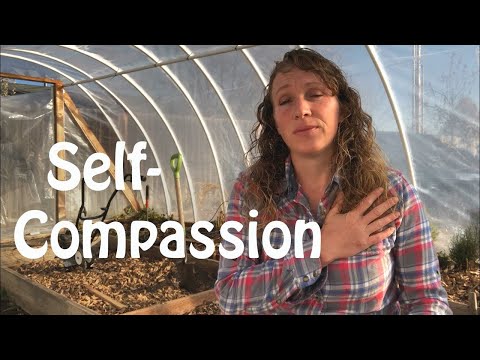
You know that voice in your head? The one that’s always critiquing you? Yeah, that one can be pretty brutal.
So, what if you could flip the script? Imagine being your own cheerleader instead of your worst critic. Sounds nice, right?
That’s where self-compassion comes in. It’s not just a buzzword; it can seriously help with mental health.
Think of it as giving yourself a big ol’ hug when life gets tough. We all have those days!
Let’s chat about how to nurture that self-love and kindness so you can feel better and lighter on this wild ride called life.
Unlocking Better Mental Health: The Power of Nurturing Self-Compassion
Self-compassion is like a warm hug for your mind. It’s all about treating yourself with the same kindness, concern, and support you’d give to a friend. So, why does this matter? Well, when you’re kind to yourself during tough times, it can seriously affect your mental health in a positive way.
Imagine a time when you messed up—maybe at work or in a relationship. Instead of beating yourself up over it, what if you took a step back and said, “Hey, it’s okay. Everyone makes mistakes.” That shift in thinking is self-compassion at work.
Now, let’s break down how nurturing self-compassion can help your mental health:
- Reduces anxiety and depression: When you’re gentle with yourself, there’s less pressure to be perfect. This helps lower feelings of anxiety and keep those pesky depressive thoughts at bay.
- Boosts resilience: Life throws curveballs. But when you accept setbacks with compassion instead of harshness, you bounce back quicker.
- Improves emotional regulation: Being kind to yourself helps manage overwhelming emotions better. You’re less likely to spiral out of control over disappointment or stress.
- Cultivates a positive self-image: Self-compassion nurtures self-acceptance. You start seeing your worth beyond achievements or failures.
- Enhances relationships: When you treat yourself well, you naturally extend that kindness to others. It strengthens connections and builds empathy.
But how do we actually practice self-compassion? It’s not just about saying nice things to ourselves; it’s more like creating habits that support this mindset.
Start by acknowledging your struggles. It’s normal to feel overwhelmed sometimes. When things get tough, pause for a moment and recognize what you’re feeling without judgment.
Next up is mindfulness. This means being present and noticing your thoughts without getting wrapped up in them. Try deep breathing or meditation—anything that grounds you.
You can also speak kindly to yourself. Catch those negative thoughts and replace them with something supportive: instead of “I can’t believe I messed that up,” try “I did my best and that’s enough.” Seriously! It might feel awkward at first, but it gets easier.
Lastly, surround yourself with people who lift you up. A support system makes it much easier to nurture self-compassion because they model that same kindness back to you.
In real life, practicing self-compassion might look something like this: Say you’re feeling really down after failing an exam. Instead of spiraling into despair about how dumb you think you are—you know the drill—you might say something like: “This sucks! But I studied hard and I’ll do better next time.”
That’s the essence of nurturing self-compassion! It takes time—don’t expect overnight changes—but as you practice consistently, you’ll likely find more peace within yourself.
So next time you’re feeling the weight of the world on your shoulders—take a breath, give yourself some grace, and remember: being human means making mistakes too!
Enhance Your Well-Being: Download Our Free Self-Compassion Meditation Script PDF
Self-compassion is like giving yourself a hug when you really need it. It’s recognizing that it’s okay to be vulnerable and imperfect. You know how sometimes you’re your own worst critic? Well, self-compassion flips the script. Instead of beating yourself up over mistakes or failures, it encourages you to treat yourself with kindness.
This whole self-compassion thing ties in closely with mental health. When you’re compassionate towards yourself, you tend to feel less anxiety and depression. You might even find that your mood lifts. It’s about understanding that everyone struggles sometimes, and you’re not alone in your experiences.
Now, if you’re curious about how to nurture this sense of kindness toward yourself, meditation can really help. One popular method is the **self-compassion meditation script**. This guided practice helps you develop a gentler relationship with yourself.
Here are some key points about what this kind of meditation can offer:
- Mindfulness: It teaches you to notice your feelings without judgment.
- Common Humanity: It reminds you that everyone goes through hard times.
- Self-Kindness: It encourages being warm and understanding toward yourself.
Imagine sitting quietly for a moment. As you breathe deeply, you focus on the thoughts running through your head—whether they’re positive or negative—and just let them be there without fighting them off. Like, if you’re feeling down about something silly like burning dinner, instead of thinking “I’m so bad at this,” you’d say “Hey, everyone makes mistakes.” That’s self-kindness in action.
If you get your hands on a free self-compassion meditation script PDF, it’ll guide you step by step through these ideas. Plus, having a structured plan can ease the stress of figuring out what to do during meditation.
You might encounter phrases in the script urging you to visualize offering compassion to someone else—and then turning that same compassion inward toward yourself. It sounds simple but trust me; it’s powerful stuff!
Incorporating this kind of practice into your routine could lead not only to improved emotional well-being but also healthier relationships with others—because when we’re kind to ourselves, we often have more patience and empathy for those around us.
Self-compassion isn’t just some fluffy concept; it has real-world benefits for mental health. So next time you’re feeling overwhelmed or down on yourself, think about trying out a meditation that nurtures this kind of kindness—just remember: it takes practice!
Unlocking Self-Compassion: Downloadable Worksheets PDF for Personal Growth and Mental Well-Being
You know, self-compassion is one of those things that sounds simple but can be really tricky to grab onto. Basically, it’s all about treating yourself with the same kindness and understanding that you’d show a friend going through a tough time. When you mess up or feel down, instead of beating yourself up, you think: «Hey, everyone makes mistakes.» The key is recognizing that you’re human. We all struggle sometimes, right?
So, what exactly does nurturing self-compassion look like? Well, it often involves three components:
- Self-Kindness: This means being gentle with yourself rather than harsh. Picture this: after a rough day at work, instead of saying «I’m such a loser,» maybe you say «It’s okay to have tough days.»
- Common Humanity: This is about realizing that suffering and personal failure are part of the shared human experience. When you feel alone in your struggles, it’s easy to spiral. But remembering everyone has their moments can lessen that loneliness.
- Mindfulness: This one’s crucial! It’s about being aware of your thoughts and feelings without judgment. It helps you sit with your emotions instead of avoiding them or going overboard in criticism.
Now, if you’re looking for some practical ways to build this self-compassion thing into your life—worksheets can be super helpful! You can find downloadable PDFs online that guide you through exercises designed to boost self-kindness and awareness.
These worksheets typically include prompts like:
- Journaling activities where you write down negative self-talk and then challenge those thoughts.
- Reflection exercises asking questions like: “How would I respond to a close friend?”
- Meditations focusing on compassion for yourself and others.
Using these resources isn’t just busywork—they help solidify the concept in your mind and encourage real change in how you treat yourself.
Imagine sitting down with one of those worksheets after a long day where nothing seemed to go right. You might write out all the harsh things you’ve said to yourself lately. But then the magic happens—you flip the script! You rewrite those thoughts into something kinder, maybe even more honest.
That shift can feel empowering! It’s like giving yourself permission to be human. When you’re struggling to find motivation or feeling overwhelmed by anxiety or sadness—self-compassion becomes your safety net.
Plus—seriously—the impact on mental health is huge. Studies show that people who practice self-compassion tend to have lower levels of anxiety and depression. It’s all interconnected; the way we treat ourselves affects our mood and outlook on life.
So yeah, if you’re interested in nurturing this vital skill—those downloadable worksheets can be an awesome starting point. They’re tools designed for personal growth while reminding you that it’s perfectly okay not to be perfect!
Okay, so let’s talk about self-compassion for a sec. You know how we sometimes beat ourselves up over the smallest things? Like, if you forgot to reply to a text or messed up at work, you might think, “Ugh, what’s wrong with me?” That kind of inner dialogue can really mess with your head. I mean, seriously, it’s exhausting.
I remember a time when I totally flopped during a presentation. My mind went blank right in the middle, and all I could think was how stupid I felt. But later that day, a friend reminded me that everyone messes up now and then. It hit me hard; instead of kicking myself for it, I should just be kinder to myself. Imagine treating yourself like you would treat your best friend when they screw up—encouraging instead of tearing them down.
So what does nurturing self-compassion really look like? Well, it’s about being gentle with yourself when life gets rough. Instead of thinking you’re failing because you’re feeling down or anxious, you recognize that it’s part of being human. You’re not alone in this—you feel me?
It also means acknowledging your struggles without judgment. When those negative thoughts creep in, try stepping back and saying something like “Hey, it’s tough right now—everyone goes through this.” It doesn’t solve everything overnight but helps shift your mindset little by little.
And let’s not forget self-care—it’s super important! Whether it’s taking some time for yourself or doing something that makes you happy (like binge-watching your favorite show or going for a walk), those acts can nourish your soul and build that compassion muscle inside you.
At the end of the day, nurturing self-compassion is like planting seeds in your mind. With care and patience, you’ll find they grow into something beautiful—a healthier relationship with yourself. And who doesn’t want that?