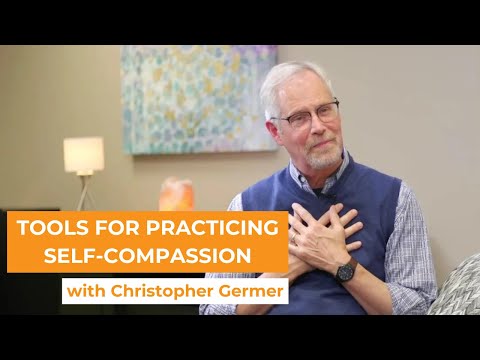
Hey, you ever feel like you’re way harder on yourself than you should be? Like, just when you think you’ve messed up, that inner critic starts going off, right? Seriously, it’s exhausting.
Well, self-compassion is kind of the opposite of that. It’s about treating yourself with kindness and understanding. Imagine giving yourself a little hug instead of a smack on the back of the head. Wouldn’t that be nice?
This is where evaluating your self-compassion comes in. It’s like checking in with yourself to see how well you’re doing at being your own best friend. So let’s take a little journey together and see where you stand!
Unlock Your Inner Kindness: Explore Our Self-Compassion Test PDF for Personal Growth
Self-compassion is such a big deal. You know, it’s all about treating yourself with the same kindness and understanding you’d show to a friend. But, let’s be real—most of us can be pretty tough on ourselves. That’s where taking a self-compassion test can really open your eyes.
So, what’s the point of diving into a self-compassion test? Well, it helps you figure out how harsh or gentle you are towards yourself in tough times. Think about those moments when you mess up at work or say something silly in front of friends. If your go-to response is beating yourself up, then that’s something to think about.
When you check out a self-compassion test PDF, it’s usually got questions that cover three main things:
- Self-Kindness: How do you treat yourself when things go wrong?
- Common Humanity: Do you realize everyone struggles sometimes?
- Mindfulness: Are your feelings acknowledged instead of pushed aside?
These components are like a toolkit for understanding your own emotional responses.
Here’s an example: let’s say you’re at home, feeling overwhelmed after a long day. Instead of telling yourself “I shouldn’t feel this way,” self-compassion would sound more like “It’s okay to feel stressed; everyone has days like this.” Do you see how that shift in mindset could lighten the load?
Taking the test can spark some real personal growth. Like when Sarah took it and realized she was overly critical of herself after not finishing her project on time. Instead of seeing her struggle as failure, she began thinking about how she could learn from it—and wow, did that change her outlook!
Do keep in mind that this isn’t just some fluff stuff; research backs up the benefits of having more compassion for ourselves. Lower stress? Yep! Better emotional resilience? Totally! It just makes sense to embrace your humanity rather than run from it.
Wrapping this up, being kind to yourself isn’t just nice; it can genuinely improve your mental health and boost overall well-being. So why not take some time for that self-compassion test? You might just find out more about yourself than you ever expected!
Discover Your Self-Compassion Level: Take Our Online Psychological Test
You might be wondering what self-compassion really means. Well, it’s all about being kind to yourself, especially when things get tough. Instead of beating yourself up over mistakes or failures, you treat yourself like you would a good friend—supportively and lovingly. So, how do you find out where you stand on the self-compassion scale? That’s where an online psychological test comes in handy.
Taking a self-compassion test can give you some insight into how you view yourself during those tough moments. But what should you expect? The test usually includes questions that prompt you to think about your reactions to failure, how often you’re critical of yourself, and whether or not you practice kindness toward yourself.
Here are some key components the test might cover:
Answering these questions honestly can lead to greater self-awareness. For instance, if you’re someone who easily criticizes themselves after making a mistake at work—like missing a deadline—you might realize that this response reflects one of the areas needing compassion.
And it’s important to remember: self-compassion isn’t about being soft on yourself. It’s more about recognizing that you’re human and imperfect, just like everyone else. This helps create a healthier mindset.
After you’ve taken the test, you’ll usually get some feedback based on your responses. That feedback can point out strengths as well as areas for growth in your self-compassion journey. For example, maybe you’re great at understanding how others feel but need practice in offering that same grace to yourself.
So why is evaluating your self-compassion vital? Well, studies show that higher levels of self-compassion are linked with lower levels of anxiety and depression and greater emotional resilience. Who wouldn’t want that?
If after taking the test it turns out you could use a boost in self-compassion, there are plenty of ways to work on it! You could try journaling about your feelings or practicing mindfulness meditation—simple yet effective methods for encouraging kindness toward ourselves.
You know, it’s all about progress over perfection. Everyone has their ups and downs; acknowledging them with compassion can make navigating life’s hurdles just a bit easier!
Free Psychological Test: Assess Your Self-Compassion Levels Today
Are you feeling a bit down on yourself? You’re definitely not alone. Many people struggle with **self-compassion**. It’s this idea of treating yourself with the same kindness and understanding you’d offer a friend who’s having a tough time. If you’re curious about where you stand, taking a free psychological test can be an insightful first step.
Self-compassion is all about three main components: being kind to yourself, recognizing your shared humanity, and being mindful of your emotions. Let’s break that down a bit.
1. Kindness versus Self-Judgment: Instead of beating yourself up when things go wrong, try to be gentle. Say you bombed an important presentation at work; rather than thinking, “I’m such a failure,” it helps to think, “It’s okay; everyone stumbles sometimes.”
2. Common Humanity: This means realizing that suffering and personal inadequacy are part of the shared human experience. You’re not alone in feeling bad about things; others go through it too! Like when your friend tells you about their own struggles—suddenly it feels less isolating.
3. Mindfulness versus Over-Identification: Mindfulness is like stepping back and observing your thoughts without judgment. If you’re feeling sad or angry, instead of spiraling into those feelings, acknowledge them: “I’m feeling really upset right now.” It helps to see emotions clearly without getting overwhelmed by them.
So, how can you assess these levels of self-compassion? Taking an online test can help shine some light on your patterns and habits regarding self-kindness and forgiveness toward yourself.
When you take these assessments, they usually ask about various situations in which you’ve felt inadequate or hurt. You might come across statements such as:
“I try to be understanding and patient towards those aspects of my personality I don’t like.”
or
“I remind myself that other people feel this way.”
Typically, you’ll rate how much you agree with each statement which gives insight into your levels of self-compassion.
Now, let’s talk about what happens after the test results come in—don’t sweat it if they aren’t what you expected! The goal isn’t to put more pressure on yourself but rather to open up some room for growth and improvement.
Say the results show that your self-compassion is pretty low—that’s just data! You can take steps towards nurturing that kindness within yourself through activities like journaling or simply spending time in nature where it’s all chill-vibes only.
In short, testing your self-compassion levels can provide valuable insights into how you treat yourself during tough times—and from there? Well, there’s plenty of space for growth!
You know, self-compassion is one of those things that sounds nice in theory but can be super tricky to actually practice. Like, you get it—you ought to be kind to yourself, especially when you’re feeling down or messing up. But how often do we really follow through with it?
I remember a time when I totally bombed a presentation at work. I mean, my palms were sweaty, my mind went blank, and I just wanted to disappear. Afterward, instead of giving myself a break or recognizing it was just one bad day, I spiraled into this negative self-talk. «You’re such a loser,» «How could you let this happen?» Sound familiar?
That’s where evaluating your self-compassion comes in. There are these psychological tests that ask you about how you treat yourself when you’re struggling. They kind of probe into how forgiving you are toward yourself compared to how harshly you judge others. Take a moment and imagine: if your best friend flopped like that during their big moment, would you say the same things to them? Probably not! You’d likely comfort them and remind them it’s okay.
The thing is, these tests can give you some insight into your patterns of thinking. Are you being fair to yourself? Or are you holding onto expectations that make everything harder? Answering those questions can help shine a light on where you’ve been tough on yourself unnecessarily.
Look, it’s all about balance. Self-compassion doesn’t mean letting yourself off the hook for every mistake; it’s more like learning to be your own support system during rough patches instead of your own worst critic. Just think about how different life would feel if we all treated ourselves with as much love and understanding as we do our friends.
So next time you’re feeling low or you’ve tripped up somehow, maybe take a moment and run through those mental checklists about compassion for yourself—because honestly? You deserve it just as much as anyone else does!