You know how sometimes you just feel stuck? Like, you want to move forward, but something’s holding you back? Yeah, I get it.
Self-Determination Theory might sound all fancy and stuff, but it’s really just about understanding what makes you tick. It’s like finding the secret sauce for motivation and growth.
Imagine unlocking your potential and feeling that fire in your belly. That’s what it’s all about—discovering what drives you and gives your life meaning.
Let’s chat about how this theory can help shape your journey in a way that feels right for you. You in?
Understanding Self-Determination Theory: Insights from Deci and Ryan on Motivation and Well-Being
Self-Determination Theory (SDT), developed by Edward L. Deci and Richard M. Ryan, is all about understanding what motivates you. So, like, why do you do the things you do, especially in a way that feels good and fulfilling? That’s what these two guys have been digging into for decades.
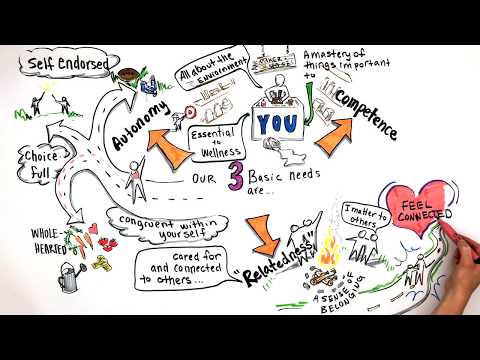
At its core, SDT highlights three basic psychological needs that drive your motivation and overall well-being:
These needs don’t just pop up in some situations; they’re pretty much essential for sustained growth and motivation. The more they’re satisfied, the better you’ll feel overall. Imagine starting a new hobby because everyone around you is doing it (relatedness), but if it’s not something you’re into, you’ll probably lose interest fast.
Here’s where things get interesting: Deci and Ryan have found that there are basically two types of motivation—intrinsic and extrinsic. Intrinsic motivation comes from within; it’s when you’re driven by personal satisfaction or joy in the activity itself. On the flip side, extrinsic motivation relies on external rewards—like praise from others or grades.
Think of it this way: if you’re painting just because it makes you happy—that’s intrinsic! But if you’re doing it to win a competition or impress someone—that’s extrinsic.
Interestingly, people who are more intrinsically motivated tend to experience better mental health outcomes. It’s like when you’re studying something out of pure interest instead of for a grade—your learning feels deeper, right?
A neat application of SDT comes in educational settings too. For instance, teachers who foster an environment where students can choose their projects (autonomy), help them build skills (competence), and create supportive classroom communities (relatedness) often see greater academic success.
But here’s the catch: not everyone has those psychological needs met all the time. Life can throw curveballs at us—stressful jobs, toxic relationships—and this can starve our motivation. You know how draining it feels when work becomes just about clocking hours rather than enjoying what you do? That’s because one or more of those needs might be unmet.
So seriously consider how these three basic needs pop up in your own life! Take time to reflect on whether you’re pursuing goals that resonate with your true self or simply going through motions dictated by external pressures.
In summary, Self-Determination Theory isn’t just some abstract concept; it’s super relevant to how we understand our motivations every day! The insights from Deci and Ryan show that cultivating an environment that supports autonomy, competence, and relatedness can lead not only to better performance but also deeper satisfaction in whatever path we choose to walk down.
Unlocking Personal Growth: The Role of Competence in Self-Determination Theory
Self-Determination Theory (SDT) is a fascinating concept that digs into what truly drives us as human beings. At its core, it emphasizes the importance of three basic psychological needs: competence, autonomy, and relatedness. Today, let’s focus on competence and how it plays a key role in personal growth.
When we talk about competence, we’re really looking at how capable you feel in tackling tasks or challenges. It’s that sense of achievement when you finally nail a project or learn a new skill. Think about the last time you figured out how to bake that killer pie from scratch. It felt amazing, right? That satisfaction comes from feeling competent.
The thing is, feeling competent can supercharge your motivation. When you believe you can succeed, you’re more likely to take on challenges. And what’s interesting is that this doesn’t just magically happen; it builds over time. Every time you grasp something new—like understanding a tricky math problem or mastering a new dance move—you’re boosting your sense of competence.
Now, let’s get into why this matters for personal growth. When you feel competent, it not only boosts your self-esteem but also feeds into your desire for autonomy—the need to feel in control of your own life decisions. Basically, when you believe in your skills and talents, you’re more likely to pursue goals that resonate with who you are.
But here’s the catch: this process can be affected by external factors like supportive relationships or constructive feedback. Positive reinforcement can help reinforce that sense of competence! Like when your teacher praises your essay, it makes you want to write even more. On the flip side, excessive criticism can diminish those feelings and make you retreat instead of grow.
Also worth noting is how competence relates to relatedness—our social connections with others. If you’re part of a group where everyone encourages each other to succeed—like a sports team or study group—you’ll likely feel more competent because you’re learning together and celebrating wins together.
In summary:
- Competence boosts motivation and leads to personal growth.
- A strong sense of competence enhances feelings of autonomy.
- Positive feedback supports feelings of competence.
- Social connections impact our sense of relatedness and competence.
So, if you’re looking to spark some personal growth, start by building up that feeling of competence in whatever area lights you up! You follow me? It’s about stacking those small wins until they turn into something bigger.
Unlocking Motivation: Understanding Self-Determination Theory for Personal Growth in Mental Health
Alright, let’s chat about motivation. Sounds a bit dry, huh? But seriously, understanding it can really light a fire under you when it comes to personal growth and mental health. One of the big names in the motivation game is something called **Self-Determination Theory**, or SDT for short. It’s like a roadmap for why we do what we do and how we can get better at it.
So, here’s the thing: Self-Determination Theory suggests that we’re most motivated when three basic psychological needs are met: **autonomy**, **competence**, and **relatedness**. Let’s break that down!
Autonomy is all about feeling in control of your own actions. You know that rush you get when you decide to chase a goal on your own terms? That’s autonomy kicking in! For example, if you’re choosing to exercise because you *want* to feel better rather than because someone is telling you to, you’re tapping into that need for autonomy.
Then there’s competence. This one relates to feeling capable and effective in what you’re doing. Think about learning a new skill—like painting or cooking. At first, it might feel tricky and overwhelming (trust me, I’ve burned my share of meals). But once you start getting the hang of it, you feel this boost of confidence. That sense of mastery keeps pushing you forward!
Now let’s talk relatedness. Humans are social creatures; we thrive on connection with others. Feeling supported by friends or family makes us feel good and motivates us even more. Like when you’re surrounded by people who cheer for your goals—it feels awesome! Maybe you’ve shared your mental health journey with a close friend who gets it; their understanding gives you strength.
To keep growing personally and mentally, embracing these three needs is crucial. If you’re exploring a new hobby or working through challenges in therapy, think about how well those needs are being met.
A little side note: SDT isn’t just theoretical; it has real-world applications! Therapists might use this framework to help clients find what drives them personally in their healing journey.
So next time you’re feeling stuck—or even if you’re cruising along just fine—ask yourself: Are my needs for **autonomy**, **competence**, and **relatedness** being met? Understanding these can give your motivation a serious boost!
In summary:
- Autonomy: Control over your choices fuels motivation.
- Competence: Feeling skilled boosts your confidence.
- Relatedness: Connections with others strengthen your drive.
You see how this works? By aligning what drives you with these core needs, personal growth doesn’t just become more attainable—it becomes exciting!
You know, when you think about motivation, it’s kind of like trying to catch sunlight in your hands—sometimes it feels impossible, right? Self-Determination Theory (SDT) really hits home with this whole idea of motivation. It’s all about the drive that comes from within you, rather than just what someone else tells you to do. Like when I decided to start running for fun instead of because I had to for gym class. It was liberating!
The basic premise of SDT is that we’re more motivated and we grow more when three key needs are met: autonomy, competence, and relatedness. Autonomy is pretty much the freedom to make your own choices. You know how it feels so much better when you choose what you want instead of being told what to do? Yeah, exactly! That sense of control can light a fire in you.
Then there’s competence—feeling like you can actually pull something off. Think back to that moment when you finally nailed a recipe or aced an exam after studying hard. It’s such a confidence boost! When you’re good at something, you’re way more likely to keep at it.
And let’s not forget about relatedness. This is all about feeling connected with others. When we build relationships and share our experiences with friends or family, it adds depth to our journey. Like talking late into the night with a friend over coffee and finding common ground on the struggles of adulting—it makes everything feel less lonely.
I once had this friend who was super into painting but felt really discouraged because she thought she wasn’t good enough. But one day, she decided to take a class without any pressure—just for her own enjoyment. The interesting part? With some guidance and encouragement from her new classmates, she started exploring her creativity without worrying about the end result or anyone judging her work. And man, did she grow! Her paintings transformed not just in skill but in expression too.
So yeah, fostering motivation through SDT isn’t just some fancy theory—it’s real life stuff! It reminds us that when we nurture our own interests and connect with others while doing so, we’re way more likely to flourish as individuals. It’s all about giving yourself permission to pursue what makes your heart sing—and maybe even finding your tribe along the way!