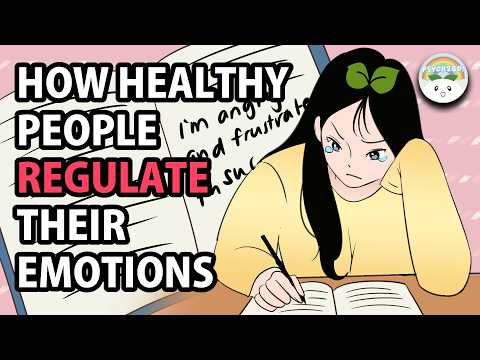
Alright, let’s chat about something super important: self-regulation. Sounds fancy, huh? But really, it’s just a way of learning to manage our emotions and reactions day to day.
You know those days when everything feels like a rollercoaster? One minute you’re on top of the world, and the next, you’re spiraling down? Yeah, that can be pretty overwhelming.
For teens especially, figuring out how to handle all those wild feelings is crucial. Like, seriously crucial. It can help with stress, friendships, school—it just makes life a whole lot easier.
So let’s dig into how we can build these skills together. Trust me; it’s going to be eye-opening!
Empower Teens: A Comprehensive Worksheet for Developing Self-Regulation Skills in Mental Health
Building self-regulation skills is super important for teens, right? It’s all about helping them manage their emotions and behaviors so they can deal with life’s ups and downs more easily. Self-regulation can mean different things, like controlling impulses, managing stress, or staying focused. Let’s break it down!
1. Understanding Emotions: Recognizing feelings is the first step. Have you ever had a day where everything just seemed overwhelming? Teens often feel like that but sometimes can’t pinpoint why. Encourage them to name their emotions—happy, sad, anxious—and talk about what caused those feelings.
2. Mindfulness Practices: Practicing mindfulness helps in calming down and focusing. This could be as simple as taking a few deep breaths when feeling stressed or spending time in nature. Meditation apps or guided sessions can really help here.
3. Setting Goals: Encourage teens to set small, achievable goals. For example, if they’re struggling with procrastination on homework, suggest setting a goal to study for just 15 minutes every day after school to start with! Little wins boost motivation.
4. Developing Healthy Coping Strategies: It’s crucial for teens to have tools in their back pocket when emotions run high. You know those days when everything feels off? Suggest activities like drawing, writing in a journal, or talking to a trusted friend instead of giving into frustration.
5. Problem-Solving Skills: Help them develop ways to tackle challenges head-on rather than letting anxiety take over. When faced with an issue—like friendship drama or academic pressure—break it down into smaller parts and brainstorm solutions together.
6. Regular Check-Ins: Establishing daily or weekly check-ins can help identify patterns in mood changes or stress levels and allow for adjustments before things spiral out of control.
7. Encouraging Independence: Letting teens make choices and mistakes within safe boundaries fosters independence and teaches natural consequences. They learn from experiences—both good and bad—and develop resilience along the way.
Incorporating these elements into daily life can really boost self-regulation skills for teens! They might not see results overnight—it takes practice! But as they grow more adept at managing their feelings and reactions, life starts feeling less chaotic and more manageable.
Remember to support your teen through this process—it makes all the difference when they feel backed up by someone who cares!
Essential Guide to Developing Self-Regulation Skills for Teen Mental Health: Downloadable PDF
Developing self-regulation skills is a big deal for teens. You know, it’s all about managing emotions, thoughts, and behaviors in tricky situations. It’s like having your own internal superhero that helps you stay calm and focused. But how do we get there? Here’s the lowdown.
First off, what is self-regulation? It’s the ability to control your reactions to things around you. Imagine getting a bad grade on a test. Instead of flipping out or shutting down, self-regulation helps you think about what to do next—maybe study harder or talk to the teacher.
Now, why should teens care? Well, learning these skills can really help with mental health. It can reduce anxiety and depression and even improve relationships with friends and family. The thing is, when you can handle stress better, life feels way more manageable.
Here are some key strategies for developing these skills:
- Mindfulness: This is all about being present in the moment. You could try taking deep breaths or focusing on sounds around you. Even just five minutes a day can make a difference!
- Emotion regulation: It helps to identify what you’re feeling before reacting. A simple “I’m angry” or “I’m sad” can change how you respond instead of just reacting impulsively.
- Goal-setting: Setting small goals can boost your confidence and give you something to work toward! Maybe it’s finishing a book or mastering a new skill.
- Coping strategies: Think about healthy ways to cope with stress—like going for a walk or talking it out with someone you trust.
Now let’s chat about some practical examples:
Imagine you’re in class, and your friend makes a snarky comment that puts you in a bad mood. Instead of snapping back—maybe consider taking five deep breaths first? This little pause lets your brain catch up with your feelings before reacting.
Or say you’re feeling overwhelmed by homework deadlines. Instead of cramming all night (which we all know doesn’t work), try breaking tasks into smaller chunks and tackling them one at a time!
Lastly, remember that practice makes perfect. Self-regulation isn’t something that happens overnight; it takes time and effort. So be patient with yourself as you learn these important skills.
So there you go! Developing self-regulation skills isn’t just about keeping cool; it’s also crucial for navigating the ups and downs of being a teen nowadays. Give yourself time to grow those muscles!
Essential Emotional Regulation Skills for Children: Downloadable PDF Guide
Emotional regulation is a big deal for kids and teens. You know, it’s all about how they manage their feelings in different situations. Developing these skills early can save them from a lot of stress down the road. It’s like giving them tools to build their emotional toolbox. So, what are some essential emotional regulation skills for children? Let’s break it down.
Understanding Emotions
First off, kids gotta learn to recognize what they’re feeling. Is it anger? Sadness? Joy? When they can name their emotions, it becomes easier to deal with them. For example, if a child feels frustrated during homework, knowing they’re frustrated helps them address that feeling instead of just acting out.
Breathing Techniques
Breathing is more powerful than you might think! Teaching kids to take deep breaths can calm their entire system when emotions run high. A simple exercise like inhaling deeply through the nose and exhaling slowly through the mouth can work wonders. Like, imagine a kid who’s anxious before a test; this can help ground them.
Mindfulness Practices
Mindfulness plays a huge role here too. It’s all about being present in the moment without judgment. Kids can benefit from short exercises that help them focus on their breath or the sensations around them. You know, sitting quietly for just a few minutes can give them clarity when emotions become overwhelming.
Identifying Triggers
Kids should also learn what triggers their strong reactions. Is there something specific that makes them angry or sad? For instance, if someone teases them at school, recognizing that as a trigger allows for better responses next time instead of flying off the handle.
Coping Strategies
Having coping strategies in place is crucial too. These are little tricks that help kids deal with tough feelings without getting stuck in negative spirals. They could include drawing when sad or talking to someone when angry. It lets them express themselves in healthier ways.
Solve Problems Constructively
Teaching problem-solving skills can’t be overlooked either! Encouraging kids to think about possible solutions rather than just complaining about a situation makes a world of difference. Say they’re upset after losing at a game; discussing how they could practice more next time helps shift their focus from feeling defeated to finding ways to improve.
Saying “No” to Negative Self-Talk
Lastly, challenging negative self-talk is important as well! Kids need support in replacing those harsh inner voices with kinder thoughts. Instead of “I’m terrible at math,” they could say “I’m still learning.” This shift can help protect self-esteem and nurture resilience over time.
So yeah, these skills—understanding emotions, breathing techniques, mindfulness practices—really provide kids with crucial foundations for emotional regulation and mental health as they grow up into teens and beyond! When they’re armed with these tools, they’ll feel more equipped to handle life’s ups and downs gracefully.
And who knows? A downloadable PDF guide might just make practicing these skills that much easier for parents and educators alike!
You know, when you think about being a teenager, it’s like an emotional rollercoaster. One minute, you’re on top of the world, and the next, you’re just… well, not. It’s a tough gig. And that’s where self-regulation skills come into play.
Imagine you’re in high school. You’ve got tests to study for, friends to hang out with, and maybe some family stuff brewing. One day, things get overwhelming—maybe you lashed out at a friend or felt like crying in the middle of class. That moment? It happens to all of us. Learning to manage those feelings is what self-regulation is all about.
Self-regulation is kinda like having a toolbox for your emotions and actions. When you’re ticked off or anxious, instead of reacting impulsively—like throwing your phone across the room or shutting down completely—you can take a breath and think before acting. It might sound simple, but trust me; it’s not always easy.
Let me tell you about my buddy Sam. Sam was this lively kid but had a hard time keeping his emotions in check during stressful moments—especially during finals week (ugh). He’d either hit up social media to distract himself or binge-watch random shows instead of studying. But one day he decided to try something different: journaling his thoughts and feelings.
At first, he was skeptical—he thought it was kind of silly. But soon enough, he found that writing everything down cleared his head and helped him focus before exams. When those pesky feelings bubbled up, instead of freaking out or spiraling into negativity, he would jot down why he felt that way and how he could handle it better.
So what’s the deal here? Developing self-regulation skills isn’t just helpful for school stress; it spills over into friendships too! When you start recognizing your own emotions and using strategies to cope with them—like deep breathing or talking it out with someone—you become way better at handling conflicts and building strong connections with others.
So yeah, being a teen isn’t easy! But learning how to regulate your emotions can really help keep you on track mentally and emotionally—like steering your own ship through some choppy waters! It’s about taking control rather than letting everything swirl around uncontrollably like leaves in the wind.
Just remember: it takes practice! Give yourself grace if you stumble along the way because we’re all figuring things out together.