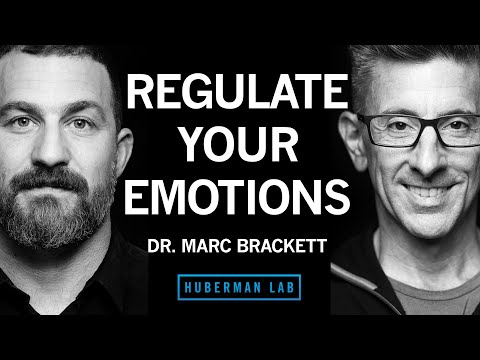
You know, life can throw some serious curveballs at us. One minute, you’re riding high on good vibes, and the next, it feels like everything’s crashing down. Ever felt that way? Yeah, me too.
That’s where self-regulation comes in. It’s all about keeping your cool when things get a little too heated. Like managing your emotions or controlling those wild impulses.
Imagine being able to step back instead of reacting immediately. Wouldn’t that feel awesome? You’d handle stress better and make smarter choices.
So let’s chat about how to build those strong self-regulation skills together. Trust me, it’ll make a world of difference for your mental health!
Mastering the 4 R’s of Self-Regulation: A Guide to Enhance Your Mental Well-Being
Self-regulation is like having a mental toolkit to manage your thoughts, feelings, and behaviors. It’s super important for your mental well-being and can really help you handle stress or tricky emotions. So let’s break down the 4 R’s of Self-Regulation—you’ll see how practicing these can make a difference in your daily life.
1. Recognize: This is where it all starts. You need to be aware of what you’re feeling and why. Imagine you’re having a rough day and feel angry for no reason. Pause for a second. Ask yourself: What triggered this? Maybe it was something small, like that annoying email or maybe not sleeping well last night? Recognizing your emotions is like shining a flashlight in the dark—it helps make things clearer.
2. Reflect: After you’ve recognized what you’re feeling, take some time to reflect on it. Why do you feel that way? Why does it matter? Let’s say you’re upset because you missed an important deadline at work. Instead of just stewing in frustration, think about what led up to that moment. Was it a lack of time management or maybe just too much on your plate? Reflection helps you understand the bigger picture and look for solutions rather than just getting stuck in negativity.
3. Regulate: Now comes the action part! Once you’ve recognized and reflected on your emotions, it’s time to regulate them. This could mean taking deep breaths when stress hits or going for a walk when you’re feeling overwhelmed. It’s about finding ways to calm yourself down or motivate yourself when needed. Think about it—maybe listening to that favorite song can help boost your mood or writing in a journal allows you to get those feelings out instead of keeping them bottled up.
4. Respond: Finally, it’s all about how you choose to respond based on what you’ve learned from recognizing, reflecting, and regulating your feelings. Let’s say after reflecting on missing that deadline, you realize it’s time to ask for help from teammates next time instead of trying to do everything alone—great response! How we respond can shape our future interactions and experiences.
So there you have it—the 4 R’s of Self-Regulation. Practicing these steps regularly can help strengthen your self-regulation skills over time, making life’s challenges feel more manageable—and who doesn’t want that? Giving attention to how we handle our thoughts and feelings isn’t just useful; it can positively impact our overall mental health and promote a happier life!
Understanding the 5 Stages of Self-Regulation for Better Mental Health
Have you ever felt overwhelmed by your emotions or found it hard to keep your cool during a tough situation? Well, that’s where self-regulation comes into play! It’s about being aware of your feelings and managing them in a way that helps you feel better mentally. Think of it as training yourself to react calmly rather than just letting emotions run wild.
So, what are the 5 stages of self-regulation? Let’s break them down:
Each stage builds on the last one and helps create a healthier emotional response over time. When you practice these stages consistently, you’ll notice improvements in how you handle stress and connect with others.
It reminds me of when my friend lost his job recently. He went through all these feelings—shock, worry, anger—and at first he didn’t manage them well at all! But eventually he recognized what he was going through; he accepted those feelings instead of burying them under work stress or distractions like binge-watching shows. With time and effort in each stage, he found healthier coping mechanisms like talking about his feelings and focusing on his strengths.
So remember, self-regulation isn’t just fluff—it’s about creating a toolkit for emotional peace and clarity! By understanding these five stages and working through them regularly, you’re investing in better mental health for yourself.
Unlocking Emotional Balance: The 3 R’s of Self-Regulation Explained
When you think about emotional balance, self-regulation is like your best friend. It’s all about being in control of your feelings and reactions, especially when life throws those curveballs at you. The three R’s of self-regulation are Recognize, Reflect, and Respond. Let’s break it down.
Recognize: This is the first step. You need to know what you’re feeling. Sounds simple, right? But think about those moments when you suddenly feel angry or overwhelmed and can’t quite put a finger on why. It can be super tricky! For example, imagine a stressful day at work. You get home and snap at your partner for leaving the dishes out. If you take a second to recognize that stress is affecting your mood, you’re already on the right path.
Reflect: Now that you’ve recognized what you’re feeling, the next step is to think about it. Reflection means asking yourself questions like, «Why do I feel this way?» or «What triggered this emotion?» Maybe someone cut you off in traffic earlier or a coworker didn’t give you credit for your idea—that stuff sticks with you! Taking time to process these feelings can help prevent those knee-jerk reactions later.
Respond: Once you’ve recognized and reflected on your emotions, it’s time to respond appropriately. This is where we often stumble! You might feel like yelling or shutting down completely. But what if instead, you decided to talk calmly with your partner about how stressful your day was? Responding involves choosing an action that reflects self-control and consideration for others—and it feels so much better too!
The thing is, building these skills takes time and patience. Seriously! You won’t become a pro overnight. And that’s totally okay! Think of it as practice; even small wins count! Like one day recognizing that an emotional reaction was too strong and deciding to take deep breaths instead of lashing out—big step there!
So yeah, mastering the 3 R’s can seriously boost not just individual mental health but also improve relationships around you. It’s all connected—by fostering emotional awareness within yourself; you’re also creating space for others to express their feelings too.
In short, learning to regulate emotions isn’t just something cool people do; it’s a vital skill for everyone wanting better mental health vibes in their lives. Who doesn’t want that?
Self-regulation, huh? It’s that thing we all hear about but might not fully grasp. So, let’s break it down a little. Imagine you’re having one of those days. You know, the ones where it feels like everything’s going wrong? Your boss is on your back, your partner is upset about something you forgot, and let’s not even talk about that pile of laundry staring you down.
In moments like this, self-regulation can be a lifesaver. It’s all about managing your emotions and behaviors in a way that helps instead of hinders you. Like when you’re frustrated, instead of snapping at someone or binge-eating a tub of ice cream (hey, we’ve all been there), self-regulation helps you take a step back and breathe. Seriously, just stopping for a second can change everything.
I remember this one time I had a really rough week at work—stress was off the charts. I felt like I was constantly on edge. One evening, I found myself wanting to yell at my roommate over the dishes (so petty!). Instead of losing it, I took a few deep breaths and went for a short walk outside instead. That simple act helped clear my mind and saved my relationship with my roommate from going downhill over something silly.
When you build strong self-regulation skills, it’s like giving yourself tools to handle life better—it means less impulsive reactions and more thoughtful responses. This skill isn’t just about controlling anger; it also covers things like resisting temptations or managing anxiety when things get tough.
But hey, developing these skills takes practice! You don’t just wake up one morning suddenly able to manage everything perfectly—oh boy would that be nice! It involves reflecting on how you act in various situations and trying out different strategies until something clicks for you.
Journaling can really help here too! Writing down your thoughts offers perspective—you see patterns in your behavior that might need some tweaking. And let’s not forget mindfulness techniques! They train your brain to stay present instead of spiraling into worry or regret.
In short? Building strong self-regulation isn’t an instant fix; rather it’s an ongoing process that brings with it tons of mental health benefits. With each tiny victory—like choosing to speak calmly instead of shouting—you’re giving yourself the gift of peace and resilience in an unpredictable world. And honestly? That’s pretty priceless.