You know when you’re feeling down, but you can’t quite put your finger on why? It’s like a cloud hanging over you, and it just won’t budge.
That’s where self-report questionnaires come in. They’re like little tools to help you figure out what’s going on inside your head. Seriously, they can break down those heavy feelings into something a bit easier to understand.
Imagine taking a few minutes to jot down your thoughts and feelings. It’s kind of like having a heart-to-heart with yourself. These questionnaires can give you some insight into your depression symptoms.
They’re not magic wands or anything, but they can really help clarify things. So if you’ve been feeling off lately, this might just be what you need to get started on the path to feeling better.
Understanding PHQ Self-Report: A Comprehensive Guide to Mental Health Assessments
The PHQ, or Patient Health Questionnaire, is a tool used widely to assess symptoms of depression and anxiety. If you’ve ever filled one out, you know it’s like a check-in with your mental state. You answer questions about how you’ve been feeling lately—like if you’ve been feeling sad or having trouble concentrating. The responses help doctors get a sense of where you’re at, mentally speaking.
What is the PHQ?
The PHQ is pretty straightforward. It consists of a series of questions that ask about your mood and other related experiences over the past two weeks. It’s used by healthcare providers to screen for depression, track its severity, and monitor treatment progress.
How does it work?
You’ll see questions that might ask things like:
- “How often have you felt down, depressed, or hopeless?”
- “How often have you had little interest or pleasure in doing things?”
- “Have you had trouble sleeping?”
You respond on a scale from “not at all” to “nearly every day.” Each answer has a corresponding score and those scores help classify how serious your symptoms might be.
Why does filling it out matter? Well, think of it this way: Imagine going to the doctor with an invisible injury. They need some kind of indicator to understand what’s going on inside. The PHQ does just that—it offers insights into your emotional well-being.
The scoring system:
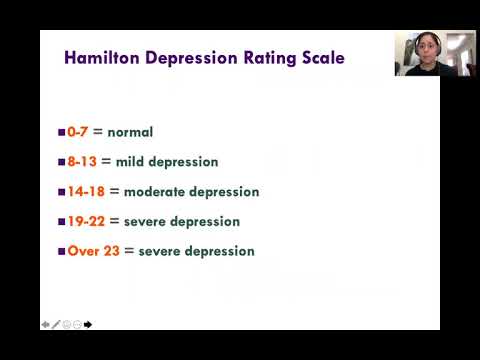
Once completed, scores are tallied up. A low score might indicate minimal symptoms while higher scores can suggest moderate or severe depression. It’s not just about numbers though; it’s a conversation starter for you and your provider.
After I filled out my first PHQ, I remember feeling nervous about sharing my feelings—like who wants to talk about being sad? But it actually opened up this space where I could be honest about my struggles. My therapist got to understand better what I was dealing with and we could find a way forward together.
Side note: The PHQ isn’t just for mental health pros; anyone can take it! You can even find versions online if you’re curious about where you’re standing emotionally.
However, it’s crucial to remember that while these questionnaires are helpful tools—they’re not diagnoses. Think of them like the preliminary view on a car before the mechanic does a deep dive under the hood. They guide but don’t replace the expert opinion that’s needed.
In summary, getting familiar with self-report questionnaires like the PHQ can really benefit how we understand our own mental health journey. It helps frame discussions—not only between yourself and a professional but also within your own mind about what you’re experiencing day-to-day.
So next time someone mentions mental health assessments—don’t shy away! These tools are designed not just for diagnosis but for awareness and understanding too.
Understanding the SDS Assessment: A Comprehensive Guide to Evaluating Depression
The SDS assessment, or the **Self-Rating Depression Scale**, is a tool that’s used to help people evaluate symptoms of depression. So, like, what’s the big deal? Well, it gives you a snapshot of how you’ve been feeling lately and can guide decisions about treatment.
You fill it out by answering questions about your mood and behaviors over the past week. Each question has a set of options you can choose from, ranging from “not at all” to “very often.” This helps create a clearer picture of where you’re at emotionally.
Why Use the SDS?
This scale is super handy for both individuals and professionals. For someone feeling down, it provides a way to express what they’re going through—sometimes it’s hard to put feelings into words. And for therapists or doctors, it’s like having a little road map to guide conversations about mental health.
What Does It Measure?
Here are some key areas that the SDS focuses on:
- Mood: How have you felt recently? Are there days when getting out of bed feels impossible?
- Activities: Are you enjoying things like you used to? Or do things feel kinda blah now?
- Sociability: Have you been withdrawing from friends or family? Like, ignoring texts or cancelling plans more often than usual?
- Energy Levels: Do you find yourself dragging through the day with no motivation at all?
- Sleep Patterns: Are you sleeping too much or too little? It’s crazy how that can mess with your mood.
Now, I remember one time when my friend Sarah took an SDS assessment during a tough patch. She was feeling low but didn’t know how deep her sadness went. Once she filled out the questionnaire, she realized she was struggling way more than she thought. That helped her talk to her therapist about starting therapy again.
It’s pretty common for people to think they’re just going through a rough time; but then this kind of self-assessment shows them that their feelings are valid and serious.
The Scoring System
Once you’ve answered all the questions, there’s a scoring system in place. Typically, higher scores indicate more severe symptoms of depression. It’s important to remember that while these scores can be helpful in making sense of your feelings, they don’t define who you are as a person.
And look—you might get totally different results on different days! That’s because our emotions can fluctuate based on so many factors—stress at work, relationships issues; life is just messy sometimes.
Taking Action
After taking the SDS assessment, if your score suggests significant depressive symptoms, it might be time to reach out for help. You don’t have to go through this alone! Talking to someone—a friend or professional—can really make all the difference.
Using tools like the SDS isn’t just about putting numbers on paper; it’s about taking steps toward better mental health because hey—you deserve to feel good!
Understanding the SDQ Scale: A Comprehensive Guide to Measuring Depression
The SDQ scale, which stands for the Strengths and Difficulties Questionnaire, is a tool used to help measure various emotional and behavioral issues in children and adolescents. It’s not just about depression, although that’s a big part of it. The thing is, the SDQ gives a pretty comprehensive picture of someone’s emotional state.
What is the SDQ Scale?
So, essentially, it’s a brief questionnaire made up of 25 items. Respondents can be parents, teachers, or even the kids themselves. Each item covers behaviors and feelings that might indicate difficulties like anxiety or depressive symptoms.
How Does it Work?
You answer the questions with three main options: «Not true,» «Somewhat true,» or «Certainly true.» When you tally up your responses, you get an idea of how severe any problems might be. It’s designed to help identify both strengths and difficulties someone may have.
What Are Depressive Symptoms Measured?
On the SDQ, questions related to depression often touch on feelings of sadness or hopelessness. Look at something like: «I often feel unhappy.» If you’re answering for yourself or someone else, how that person feels about this statement can give insight into their emotional landscape.
Why Use Self-Report Questionnaires?
Self-report questionnaires like the SDQ help gather direct feedback from individuals about their feelings and behaviors. It’s kind of like looking in a mirror; they reflect what’s going on internally. You know? This self-awareness can guide parents or professionals in understanding what kind of support might be needed.
Who Should Use It?
The scale is particularly valuable for children ages 2-17 years old but can also apply to older teens if they’re still dealing with similar issues. It doesn’t just work for diagnosing depression; it helps track patterns over time too! That way, you can see if things are getting better or worse.
Here are some things to keep in mind when using the SDQ:
- Simplicity: The questions are straightforward and easy for anyone to understand.
- Takes Only Minutes: Filling it out usually only takes about 10 minutes.
- A Broad Spectrum: It covers several areas including emotional symptoms, conduct problems, hyperactivity/inattention, peer relationship issues, and prosocial behavior too.
The Bottom Line
Using the SDQ scale can really open doors to conversations about mental health in young people. You get a snapshot of their emotional health without diving into super complex jargon. Plus, it encourages kids to think about their feelings—something that’s not always easy!
In my experience with friends who’ve gone through tough times as teenagers—like one who felt really isolated at school—the insights from something like the SDQ could’ve helped adults spot those struggles earlier on. Sometimes it takes just one question for someone to realize they’re not alone—and that there’s help available!
You know, self-report questionnaires for depression symptoms can be a bit of a mixed bag. On one hand, they’re super useful because they let you express your feelings in your own words. You sit down, reflect on your mood, and fill in how you’ve been feeling lately. It’s like having a little heart-to-heart with yourself. But then again, there’s this tricky side where it can be hard to be honest with yourself or even know what to say.
Let’s say you’re filling out one of those forms after a rough few weeks. You might scribble down that you’ve been feeling “down” or “unmotivated.” But what if you’re not sure? Sometimes you’re just going through the motions, and it’s tough to pinpoint how low you really are. Those questions are typically pretty direct—rate this or select an answer—but sometimes emotions aren’t easily measurable like that.
I remember when my friend Jake was going through a tough patch. He filled out one of these questionnaires for his therapy session and scored really high on the depression scale. But he didn’t fully believe it at first; he thought maybe he was just having a bad week or two, you know? After going over his answers with his therapist, it became clear that it was more than just temporary blues—it was the start of something deeper that needed attention.
That experience highlights both the strength and limitation of self-report tools. They can spark those important conversations between you and your therapist—or even within yourself! But they also depend so much on your willingness to be real about what’s going on in your head. Sometimes we don’t want to admit we’re struggling because it feels like admitting defeat.
Then there’s also the vibe of social desirability—like, do we really want to mark ourselves down as «very depressed» when our friends think we’re doing okay? It’s crazy how our perceptions can mess us up when answering these questionnaires!
So yeah, self-report questionnaires are handy but definitely have their quirks! It’s all part of this messy journey called mental health—a mix of honesty, reflection, and sometimes just figuring things out as we go along.