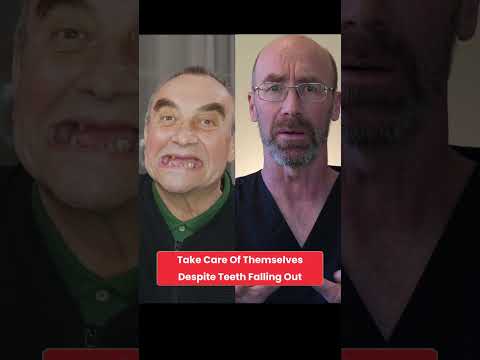
So, let’s talk about something that doesn’t get enough airtime: Senile Squalor Syndrome. Sounds intense, right?
Picture this: You walk into someone’s home, and it’s a complete disaster—like a scene from a movie where everything went wrong. But it’s not just clutter; it’s a whole world of neglect and confusion that can really hit hard.
This isn’t just messy living—it can impact someone’s health and well-being. It can be tough to wrap your head around. Seriously, the challenges are massive.
People dealing with this often feel so alone and misunderstood. And hey, if you know someone who seems to be slipping into this kind of struggle, or maybe you’re just curious, you’re in the right place. Let’s figure this out together!
Understanding the Emotional Impact: What Living with a Hoarder Does to Your Mental Health
Living with a hoarder can be super tough on your mental health. Seriously. The emotional chaos surrounding hoarding behavior creates a unique set of challenges for anyone living in that environment. You might feel overwhelmed, anxious, or just plain trapped.
When you’re in a space filled with clutter, it’s like the chaos spills over into your mind too. Clutter can heighten stress levels and lead to feelings of helplessness. You may find it hard to focus or relax at home, which is typically supposed to be your safe haven.
Feeling Isolated
Being around someone who hoards can make you feel really alone. You might notice friends and family pulling away because they don’t know how to help or they feel uncomfortable visiting your home. Over time, you might start feeling embarrassment or shame about the situation, which could push you further into isolation.
Anxiety and Frustration
Imagine trying to navigate through piles of stuff just to find a place to sit down or get something simple done like making dinner. The constant battle with clutter can amp up anxiety levels. Every pile becomes a reminder of the mess that feels impossible to tackle. It’s frustrating when you want things to be different but feel stuck in place.
The Burden of Caretaking
If you’re taking care of someone who hoards, it can become emotionally draining. You care about them and want them to be happy, but their behavior can leave you feeling exhausted from constantly managing the situation.
You might think, “Why don’t they just throw some things away?” But that’s where it gets complicated; many people who hoard experience strong emotional attachments to their belongings—things that seem trivial or useless to others can hold deep significance for them.
A Sense of Loss
Living in such an environment often brings feelings of grief—grief for the way things used to be before clutter took over, however long ago that was. You may mourn lost opportunities for connection, peace, and even comfort in your own home.
Sometimes people in these situations develop what’s called “complicated grief,” where they’re not only dealing with loss but also with stress and anxiety about the current state of affairs. It can spiral into serious mental fatigue over time.
Ultimately, living with a hoarder affects not just the person struggling with hoarding itself but everyone around them too. The emotional impact is real and often overlooked—you have every right to seek support for yourself as well!
Finding ways to cope and even reaching out for help from professionals who understand this dynamic can make a world of difference for both parties involved—so keep that in mind if you’re grappling with these challenges!
Exploring the Connection Between Living in Filth and Mental Health: Understanding the Signs and Solutions
So, let’s talk about this thing called Senile Squalor Syndrome. It’s a term that describes how some older adults end up living in, well, pretty messy environments. This isn’t just about clutter; it can profoundly affect their mental health. When you think about it, living in filth can lead to feelings of shame, isolation, and even depression. You follow me?
The connection between a dirty living space and mental health is super complex. On one hand, a messy environment can cause stress and anxiety. Think of it like this: when your surroundings are chaotic, your mind tends to follow suit. That cluttered feeling? Yeah, it can make concentrating really tough.
But here’s the kicker: sometimes it goes the other way too. Individuals might not clean up because they’re experiencing symptoms of conditions like depression or dementia. It’s like a vicious cycle; poor mental health leads to dirty living conditions, which then worsens mental health.
- Signs of Senile Squalor Syndrome can vary but often include:
- Neglecting personal hygiene or cleanliness.
- Piling up trash or old food around the house.
- A noticeable lack of social interaction; they might avoid visitors.
- Mood swings or changes in behavior that seem out of character.
I remember hearing about a sweet older woman named Alice who lived across the street from my buddy. She was always so friendly when you bumped into her outside but, for some reason, her house was filled with stacks of newspapers and old takeout containers. It turned out Alice had been dealing with depression for years after losing her husband, and the mess just kept growing. The more clutter there was, the less she wanted to face anyone at all.
If you know someone who seems to be struggling with this kind of situation—whether it’s themselves or an elderly loved one—you might be wondering what can help them out:
- Open Communication: Talk to them without judgment; show you care.
- Encourage Professional Help: Therapists or social workers can provide guidance tailored to their needs.
- Create a Plan: If they’re open to it, help them tackle cleaning bit by bit; small steps make things seem less overwhelming.
The thing is—sometimes older folks resist help because they feel embarrassed or overwhelmed by the shame associated with their living conditions. What we need is compassion here instead of criticism! Making sure they know they’re not alone in this struggle can make all the difference.
If you notice these signs in someone close to you, don’t hesitate to reach out and see how you might lend a hand. Taking action early is way better than waiting until things get worse! Seriously—it matters!
Understanding Hoarding: The Psychological Barriers to Letting Go
Hoarding can feel like a heavy burden, you know? It’s not just about collecting stuff; it’s tied to deep emotional issues. People who hoard often struggle with the idea of letting go, which can stem from a mix of anxiety, fear, and attachment. Basically, they hold on to things as a way to cope with their feelings.
When we talk about senile squalor syndrome, it’s like a complicated dance between aging and hoarding. As people get older, they may become less able to take care of themselves and their living spaces. This isn’t just messy; it’s actually harmful. Imagine being unable to move around your home because it’s filled with piles of things. That can make daily life feel impossible.
One key barrier is emotional attachment. For many hoarders, each item has a story or a memory, like an old teddy bear that reminds them of childhood happiness or receipts that reflect past experiences. Letting go feels like losing part of themselves.
Psychological factors play a big role too. Many hoarders experience high levels of anxiety or even depression. The thought of throwing something away can be downright terrifying—not because they value the object itself but because it triggers fears about loss or regret.
Another point to consider is the lack of insight some individuals have into their situation. They might not see their living conditions as problematic at all! Their perspective is shaped by years of behavior where the clutter feels normal or safe.
There’s also the challenge of decision-making. For someone who hoards, choosing whether to keep or discard an item can lead to decision paralysis. They may think things like “What if I need this later?” Or “This could be useful in the future.” The sheer volume makes decisions overwhelming.
And let’s not forget about social stigma! People often feel ashamed when they’re faced with judgment from friends or family about their living space. This shame can create further isolation, making it even harder for them to reach out for help.
Support is crucial here but tricky too! Family and friends may want to swoop in and clean everything up, thinking they’re helping—but that usually backfires. It increases resistance and reinforces those emotional walls that are already built up around letting go.
In short, understanding hoarding goes beyond just cleaning up clutter; it dives into emotional experiences and psychological barriers that keep those items close—even if they’re causing distress instead of comfort! If you know someone struggling with this issue, showing patience and empathy could make all the difference in helping them navigate through it all—one step at a time.
You know, when you think about aging, a lot of us picture wisdom, maybe some gray hairs and comfy chairs. But there’s this other side—like senile squalor syndrome. Sounds ominous, right? Well, it’s basically when older folks live in really neglected conditions due to various factors like cognitive decline or mental health issues. It’s tough to wrap your head around sometimes.
I remember visiting my grandma’s house after her health started slipping. She was always so put together before—her home filled with memories and warmth. But one day, I walked in and it was like stepping into a different world. Piles of newspapers stacked everywhere, dirty dishes piled high in the sink—it just broke my heart to see her struggle like that. She didn’t even realize how bad things had gotten! It was tough not to feel helpless.
The thing is, senile squalor syndrome doesn’t just happen overnight. It sneaks up on people—often fueled by isolation or dementia-related issues. Imagine being overwhelmed by the chaos around you but feeling stuck, unable to tackle it all.
Navigating through this can be such a challenge for families too. You want to help but don’t know where to start without stepping on toes or upsetting your loved one. Sometimes it feels like walking a tightrope between wanting them to maintain independence and ensuring they’re safe and healthy.
It takes patience and understanding to wade through these waters. Support from community services or caregivers can really make a difference here because they bring fresh eyes into the situation—don’t have that emotional weight attached that family members do.
It’s heavy stuff for sure, but with compassion and teamwork, we can help our loved ones find their way out of the shadows of neglect while still respecting their need for autonomy. So when you see someone struggling in this way, remember there’s real humanity underneath it all—the feelings of confusion and frustration are all too real for them too. Just taking that first step towards support could mean the world to someone caught in this kind of situation—a little light in an overwhelming darkness.