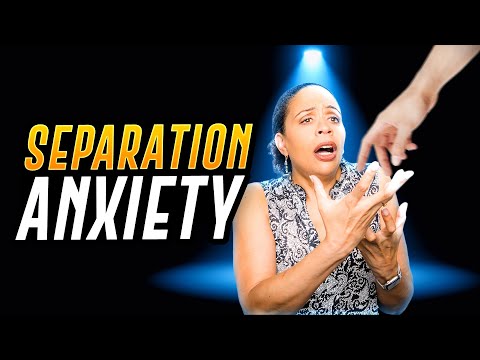
So, separation anxiety in adults, huh? It might sound like something just for kids, but it’s real—and more common than you think. You know that feeling when your partner leaves for a weekend trip, and you’re suddenly hit with this wave of dread? Yeah, that can be part of it.
Life changes can stir up all kinds of emotions. Like moving to a new city or starting a new job—things that should be exciting can sometimes feel super overwhelming. Seriously, you’re not alone if it hits you hard.
But the cool thing is, there are ways to tackle this head-on. There are strategies out there that really help people cope. You just gotta know what works best for you!
Effective Coping Strategies for Managing Separation Anxiety
Separation anxiety isn’t just for kids. Seriously, adults can feel it too, and it can be pretty overwhelming. You might find yourself feeling anxious when a partner leaves for a trip, or even when you’re just away from your home base for a while. It’s totally normal, but there are ways to cope. Here are some effective strategies that can help you manage that anxiety.
Understand Your Triggers. First off, take some time to really pinpoint what sets off your separation anxiety. Is it being away from loved ones? Or maybe it’s just the fear of being alone? You know yourself best, so keep a journal or jot down your feelings when those anxious moments hit. This can help you see patterns.
Practice Mindfulness. Mindfulness is all about being present in the moment. When separation anxiety kicks in, focus on your breathing. Try counting slow breaths in and out—like inhale for four counts, hold for four, then exhale for six. This helps ground you and takes your mind off that spiral of worry.
Stay Connected. Make sure you have a support system—friends or family who get it and can be there for you when things get tough. A quick text or call with someone who understands can make a world of difference during those anxious moments.
Create Comforting Routines. Build rituals around separations. Maybe it’s a special goodbye hug or text that signals “I’ll see you soon.” Having something consistent to fall back on makes it easier when parting ways feels tough.
Challenge Negative Thoughts. Often, our brains go straight to worst-case scenarios. When you’re feeling anxious, ask yourself: «Is this thought really true?» Just because that dread creeps in doesn’t mean something bad is actually going to happen! Challenge those negative thoughts with positive affirmations instead.
Gradual Exposure. If the thought of being apart sends shivers down your spine, try gradually increasing the time apart little by little. Start by stepping outside for a short walk and work your way up to longer separations over time. This desensitization strategy can ease your fears.
Engage in Activities. Keep yourself occupied! Dive into hobbies or activities you love—maybe painting or reading—that pull your focus away from the anxiety itself. It might feel tough at first to be alone with those feelings but finding joy elsewhere helps break the cycle.
Seek Professional Help if Needed. If these strategies aren’t enough and you’re finding it hard to cope day-to-day, reaching out to a therapist can be super helpful too! They’re trained to give tools specifically catered to what you’re experiencing.
Remember, coping with separation anxiety is all about finding what works best for YOU! With practice and patience (and maybe some trial and error), you’ll find ways that really resonate and help ease those anxious feelings during separations.
Top 3 Effective Strategies for Managing Anxiety: Proven Techniques for Lasting Relief
Managing anxiety, especially adult separation anxiety, can feel like a heavy weight sitting on your chest. The good news is that there are some effective strategies you can try out that might help you feel a whole lot better. Let’s break down three solid techniques for managing that pesky anxiety.
1. Grounding Techniques
Grounding is all about bringing yourself back to the present moment when anxiety starts to creep in. It’s like pulling yourself out of a whirlwind of thoughts and feelings. One popular method is the 5-4-3-2-1 technique: you identify five things you can see, four things you can touch, three things you can hear, two things you can smell, and one thing you can taste. This little exercise takes your mind off those racing thoughts and helps remind you that you’re right here, right now.
2. Cognitive Behavioral Therapy (CBT)
CBT is widely recognized for its effectiveness in treating various kinds of anxiety disorders, including separation anxiety. It focuses on identifying and challenging negative thought patterns and beliefs. So if you’re constantly worried about being away from someone special, it helps to ask yourself: «Is this thought based in reality?» or «What evidence do I have for this fear?» This process doesn’t just help reduce anxiety; it empowers you to take control of your mental space.
3. Mindfulness and Meditation
Mindfulness practices involve staying aware of your thoughts and feelings without judgment. Sounds simple enough, right? Well, they really work! Meditation specifically helps calm the mind and body, which can be a lifesaver during those anxious moments when separation feels overwhelming. Try dedicating just a few minutes each day to sit quietly with your breath or follow a guided meditation app—notice how your body starts to relax little by little.
These strategies might not erase your anxiety completely overnight—nothing ever does—but they can help create some lasting relief over time. Just remember: every little bit counts in this journey toward managing anxiety effectively!
Effective Strategies for Treating Separation Anxiety in Adults
Separation anxiety isn’t just for kids. Adults can feel it too, and it can be a real struggle. Imagine being at a party, and the second your friend leaves for the bathroom, that wave of panic hits you. You’re suddenly hyperaware of every little thing around you, like, “What if they don’t come back?” It’s intense! So, how do you tackle this? Let’s break down some effective strategies.
Cognitive Behavioral Therapy (CBT) is a go-to method here. It helps you recognize negative thought patterns. Like when you think you can’t handle being alone. A therapist will work with you to change those thoughts into something more manageable. You might start by identifying those worries and then gently challenging them.
Another great strategy is exposure therapy. This one’s about gradually facing what you’re avoiding. If being alone at home freaks you out, start small! Maybe spend a few minutes alone in a safe space and then slowly increase that time. You’ll learn that it’s not as scary as your mind makes it seem.
Mindfulness techniques can also be super helpful. It’s all about staying present and calming that racing heart of yours. You might try deep breathing exercises or even meditation apps to help center yourself when panic starts creeping in.
Then there’s building a strong support network. Talk to friends or family who get it—people who can be there when you’re having those tough moments. Opening up about how you’re feeling helps lighten that emotional load.
And let’s not forget self-care practices. Seriously, take time for yourself! Engage in activities that bring joy—painting, hiking, or even binge-watching your favorite series can help distract you from those anxious feelings.
Sometimes medication could be part of the picture too. Doctors might prescribe something like antidepressants or anti-anxiety meds to help manage symptoms while you’re working on these strategies.
Lastly, remember this isn’t an overnight fix; recovery takes time and patience. Celebrate the little victories along the way! Each step forward matters—I mean, even just recognizing what triggers your anxiety is huge!
Navigating separation anxiety as an adult can feel lonely but know there are paths out there to help you find peace within yourself and your relationships.
Separation anxiety isn’t just a thing for kids. Adult separation anxiety can be pretty intense, too. Like, imagine being in a relationship where the thought of your partner leaving for a few hours makes your stomach turn. It’s not just about missing someone; it’s about that overwhelming fear of being alone or feeling abandoned. It’s no wonder many people struggle with this.
I once knew someone who felt like they couldn’t even go grocery shopping without feeling anxious. That tightness in their chest would kick in the minute they thought about being away from their partner, even for a small amount of time. It sometimes turned into panic attacks, and honestly, it was tough to watch them go through that.
So, what can help? First off, therapy is crucial. Cognitive Behavioral Therapy (CBT) is often recommended because it helps you change those negative thought patterns. Like if you’re constantly thinking that being apart means something bad will happen, CBT can help you challenge and reframe those thoughts. You might learn to focus more on the positives of time apart rather than spiraling into worst-case scenarios.
Mindfulness is another strategy that can really make a difference. Just taking time to breathe and stay present can help ground you when those anxious feelings start creeping in. There are some really helpful apps out there that guide you through mindfulness exercises or meditations, making it easier to incorporate into your day-to-day life.
And then there’s self-soothing—finding ways to calm yourself when you’re feeling overwhelmed is key. Whether that’s listening to music that lifts your spirits or wrapping yourself in a cozy blanket while watching your favorite show, finding what soothes you can help manage those feelings of anxiety.
Connecting with friends or support groups can also be beneficial. Having people who understand what you’re going through makes a world of difference! Sometimes just talking about it with someone who gets it lightens the load a bit.
The journey might not be easy; there’ll be ups and downs along the way—that’s for sure—but knowing there are effective strategies out there could make things feel a little more manageable. If you’re struggling with this kind of anxiety, remember: it’s okay to ask for help! Everyone deserves support when dealing with tough emotions.