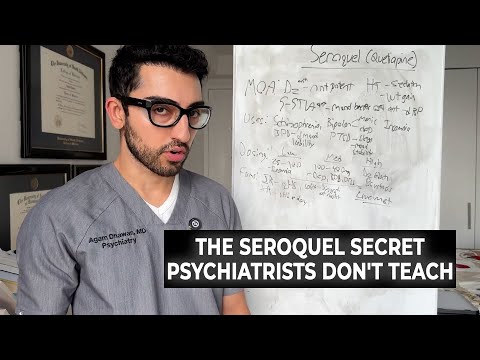
Hey there! So, let’s chat about something that can be pretty important for some folks dealing with mental health stuff: Seroquel. Ever heard of it?
It’s one of those meds that’s thrown around a lot in conversations about treating conditions like depression or bipolar disorder. You know, it’s not just any old pill; it can actually make a difference.
But here’s the thing—medications can be tricky, right? You might know someone who swears by it or maybe you’ve got questions swirling around in your head like, “Is this the right thing for me?”
Anyway, let’s break it down and see what all the fuss is about!
Understanding Quetiapine: Why It’s Classified as a Controlled Substance
Quetiapine, often recognized by its brand name Seroquel, is an interesting medication in the world of mental health treatment. It’s most commonly prescribed for issues like schizophrenia, bipolar disorder, and major depressive disorder. But here’s the twist: it’s classified as a controlled substance. Why is that? Let’s dig into it.
First off, **what is a controlled substance?** Basically, these are drugs that have a potential for abuse or dependency. The government keeps a close eye on them because they can be misused or lead to addiction. Quetiapine falls under this category because it influences brain chemistry in significant ways.
So, how does Quetiapine work? Well, it’s an atypical antipsychotic. What that means is it affects various neurotransmitters in your brain, especially serotonin and dopamine. These two are essential players in regulating mood and behavior. When these chemicals are out of whack, like during episodes of mania or psychosis, Quetiapine helps bring things back into balance.
Now let’s talk about why its classification as a controlled substance matters. Here are some key points:
- Potential for misuse: Some people take Quetiapine not just for prescribed reasons but to experience its sedative effects. This could lead to misuse.
- Dependence risk: While not everyone will become dependent on this medication, the possibility exists because it can affect mood and anxiety levels.
- Withdrawal symptoms: Stopping Quetiapine suddenly may cause withdrawal symptoms like insomnia or increased anxiety for some users.
Now I recall a friend who was prescribed Seroquel for her severe anxiety issues. She found it helpful at first but noticed that when she’d skip doses or try to manage without it altogether—well, let’s just say things didn’t go well. She experienced heightened anxiety and trouble sleeping; it was a rough patch for her.
People often wonder about the dosage too—like the 100 mg you mentioned earlier—as it’s typically used as an initial dose before adjustments happen based on how someone responds to the medication. It can be effective but also requires careful monitoring by healthcare providers.
But remember: just because Quetiapine is effective doesn’t mean everyone should take it without proper guidance from a doctor! It’s super important to discuss any concerns with your healthcare provider since everyone’s experience with medications can vary so much.
In summary, understanding why quetiapine is classified as a controlled substance boils down to recognizing its potential risks along with its benefits in mental health treatment. Whether you’re using Seroquel or considering options for managing mental health challenges, having open conversations with your doctor is absolutely essential—because informed decisions lead to better outcomes!
Understanding the Street Value of Seroquel: Implications for Mental Health and Safety
Understanding the street value of Seroquel is kind of a heavy topic, but it’s important to unpack it, especially since Seroquel—officially known as quetiapine—is a medication that plays a big role in treating mental health conditions. It’s primarily used to manage *bipolar disorder* and *schizophrenia*, but that doesn’t mean it’s not misused or sold on the streets.
First off, let’s get into what Seroquel actually does. The drug works by affecting neurotransmitters in your brain, mainly serotonin and dopamine. This can help stabilize moods and reduce symptoms of psychosis. So when people misuse it or sell it on the street, they’re often looking for its sedative effects, which can feel calming or induce sleep.
Now, about the street value. This can fluctuate based on various factors like location or demand. In some places, a single 100mg tablet could go for anywhere from a few dollars up to $10 or more. You know how it is—certain drugs have trendy periods where their prices spike for no real reason other than popularity.
But here’s where things get tricky. When people buy Seroquel off the street, they often don’t know what they’re really getting. It might be an actual pill, but there’s a significant risk of receiving something else entirely or pills that are cut with harmful substances. This puts people at serious risk—not just of overdosing but also potentially worsening any underlying mental health issues they might have.
The implications for mental health are huge here. When Seroquel is taken without medical supervision, it messes with treatment plans designed by professionals who understand your specific needs. Imagine someone struggling with anxiety deciding to take street Seroquel because it seems like a quick fix; this could lead them down a slippery slope of dependency or exacerbate their condition.
Now let’s talk safety because this ties everything together in a real way. Misuse increases risks—not only for the individual but also for public safety overall. You’ve got people potentially driving under the influence of sedatives or engaging in risky behavior because they’re not in their right mind due to unregulated use of these meds.
It’s essential that we approach discussions about medications like Seroquel seriously and responsibly. Knowing its street value isn’t just about money; it’s about understanding what happens when access goes wrong and how that impacts our communities and loved ones struggling with mental health issues. The better informed we are as friends and family members, the better we can support those who need help navigating these tough waters.
In short:
So yeah, understanding all this helps us talk about mental health more openly without sugarcoating anything—because awareness is power!
Exploring the Long-Term Side Effects of Seroquel: What You Need to Know
Seroquel, or quetiapine if you wanna get all technical about it, is a medication that many people use for conditions like bipolar disorder or schizophrenia. It’s one of those atypical antipsychotics. Basically, it helps balance chemicals in your brain, which can be a game-changer for folks struggling with serious mental health issues. But let’s talk about something that’s often swept under the rug: the long-term side effects.
First off, it’s super important to recognize that not everyone will have the same experience with Seroquel. You might feel great taking it, or you might notice some not-so-fun side effects after a while. Weight gain is one of the most common complaints. Some people can pack on pounds pretty quickly, which can lead to other health problems down the line.
Then there’s metabolic syndrome. This one’s tricky because it sneaks up on you. It includes things like high blood pressure, high blood sugar, and high cholesterol levels. Think about when your doctor has to check your blood sugar—those numbers could creep up if you’re on Seroquel long-term.
Another thing to consider is extrapyramidal symptoms, or EPS for short. These are movement disorders that can make you feel like you’re stuck in your own body sometimes (not cool). They can include tremors or restlessness, and they usually happen if you’re on higher doses.
You also might run into some sedation. That sounds nice now and then if you’re feeling anxious but imagine constantly feeling drowsy? Not ideal for living life! It’s like being in a permanent state of wanting to take a nap.
Now onto something called Tardive Dyskinesia. It’s this weird condition where involuntary movements start popping up—think lip smacking or twitching fingers—that can become permanent if not caught early enough. Yikes!
It’s really vital to stay in touch with your healthcare provider while you’re on Seroquel. Regular check-ups are like little safety nets against these issues creeping up on you. Also, let your doc know about any concerns—don’t sit there thinking it’s all just in your head.
Remember too that stopping Seroquel abruptly isn’t wise; withdrawal symptoms can be no joke! Those include insomnia, nausea, and even anxiety flares. Tapering off under medical supervision is the way to go if you’re thinking of discontinuing it.
So basically, while Seroquel does its job helping many folks manage mental health issues effectively, being aware of potential long-term side effects is crucial. Stay informed and keep that communication line open with your doctor; that’s how you’ll navigate this journey best!
So, you’ve probably heard about Seroquel, right? It’s this medication that’s often tossed around in conversations about mental health. At 100mg, it can be quite a key player for some folks dealing with various conditions. I remember a friend of mine, let’s call her Lisa. She struggled with bipolar disorder for years, and her mood swings were all over the place. One day she was on top of the world, and the next, she couldn’t get out of bed.
When Lisa started taking Seroquel, things slowly began to shift for her. It helped stabilize those intense highs and lows that were really wearing her down. But you know what? It wasn’t just the meds that made a difference; it was how they fit into her whole treatment plan—therapy sessions, support from friends and family—all that good stuff.
Seroquel works mainly by balancing certain chemicals in the brain called neurotransmitters. Sounds scientific, huh? Basically, it can help increase serotonin and dopamine levels which tend to be off-kilter in people with mood disorders or even schizophrenia. For Lisa, this meant she could actually think more clearly instead of feeling all foggy or overwhelmed.
Sure, like any medication out there, it has its side effects—drowsiness being one of the more common ones. I remember her saying she’d often feel a bit sleepy after taking it. But hey, for someone who’s been racing with their thoughts nonstop like Lisa was, that side effect sometimes felt like a welcome relief!
Of course, not everyone’s experience is the same. Some might find Seroquel doesn’t do much for them at all or may have to adjust their dosage over time until they hit that sweet spot where they feel balanced again. It’s all about finding what works best for you personally.
And yeah, it can be tough navigating all this stuff on your own—that’s why having someone like a doctor or therapist is super important in figuring out what medications might help your specific situation.
So anyway, while Seroquel 100mg may not be everyone’s magic pill (and let’s face it—not every mental health issue can be solved with meds alone), it’s pretty crucial for many people—and honestly? Just knowing that there are options out there makes such a difference in how we tackle mental health challenges together.