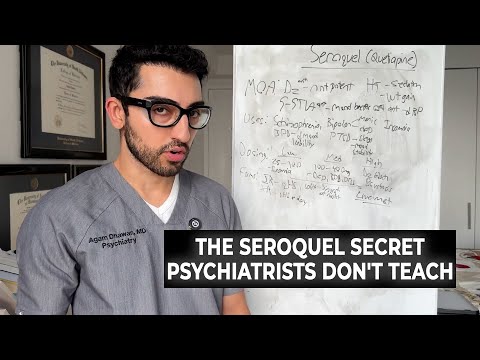
Hey! So, let’s chat about Seroquel. Ever heard of it? It’s one of those meds that gets tossed around a lot when people talk about mental health.
Basically, it’s an antipsychotic, but it’s not just for the big stuff like schizophrenia. People use it for all sorts of things—like anxiety and depression too.
But here’s the thing: just popping a pill isn’t the whole picture. You’ve got to understand what it does and how it fits into treatment. It’s kind of like a team player in this game of mental wellness.
Stick around! We’ll break it down together, you know?
Understanding Why Seroquel is Classified as a Controlled Substance: Implications for Mental Health Treatment
Seroquel, or quetiapine, is an interesting medication when it comes to mental health treatment. It’s mainly used for conditions like bipolar disorder and schizophrenia. But what makes it a controlled substance? Well, it’s all about how it affects your brain and the potential for misuse.
First off, Seroquel works by balancing certain chemicals in your brain, especially dopamine and serotonin. These are key players in mood regulation. When these chemicals are out of whack, you might feel really low or anxious. So Seroquel can help restore that balance, making it easier for you to manage your symptoms.
However, the concern with Seroquel being a controlled substance comes from its sedative effects. Some people might take it in higher doses than prescribed just to get that sleepy feeling. This can lead to a cycle of misuse—where someone starts taking more than they should because they enjoy that sense of calm or drowsiness.
Another thing to keep in mind is the side effects. Sure, medications can be lifesavers, but they also come with risks like weight gain or metabolic changes. Having Seroquel classified as a controlled substance means healthcare providers need to be extra cautious when prescribing it.
Here’s why this classification matters:
- Monitoring Usage: Doctors have to keep track of how much you’re taking and why. This helps them prevent misuse.
- Reduced Availability: Because it’s regulated, sometimes getting prescriptions can feel like jumping through hoops.
- Patient Education: You’ll often get more information about how to use Seroquel safely if it’s recognized as a controlled medication.
- Insurance Restrictions: Your insurance may have specific rules about covering controlled substances, which can impact your costs.
When I think of how Seroquel plays into mental health treatment overall, I think of my friend Lucy. She struggled with bipolar disorder for years. The ups and downs were exhausting for her—and everyone around her too! When she finally got prescribed Seroquel at a low dose, she felt stable for the first time in ages. But her doctor made sure they had regular check-ins to monitor her use and any potential side effects. It wasn’t just about managing her condition; it was also about understanding the risks involved with such treatment.
So yeah, while Seroquel can be super helpful for many people dealing with serious mental health challenges, the reason it’s classified as a controlled substance makes sense when you look at the big picture—it’s all about balancing benefits against risks!
Understanding Seroquel: Effects on Healthy Individuals and Everyday Use
Seroquel, or quetiapine, is primarily known as an antipsychotic medication. It’s mostly used to treat conditions like schizophrenia and bipolar disorder. But what about its effects on healthy individuals? That’s a bit trickier.
First off, Seroquel works by affecting neurotransmitters in the brain, particularly serotonin and dopamine. You know how these chemicals help regulate mood and perception? Well, Seroquel can throw a wrench into that balance if it’s used improperly or without a medical reason.
Now, let’s talk about everyday use. Some folks might think about taking Seroquel for sleep issues or anxiety because of how it can make you feel relaxed. But here’s the thing: using it without a prescription isn’t safe. You’re messing with your brain chemistry!
There are a few reasons you should be cautious:
- Side Effects: Common side effects include sedation, dry mouth, weight gain, and dizziness. Not exactly fun stuff.
- Tolerance: If taken regularly without needing it for a mental health condition, your body might adapt to the drug. This could lead you to needing higher doses over time.
- Withdrawal Symptoms: If someone decides to stop taking Seroquel suddenly after using it often, they may experience withdrawal symptoms like insomnia or agitation.
So let’s say you’re feeling stressed out sometimes—you know how life gets—maybe even had some trouble sleeping recently. It might seem tempting to try Seroquel for that extra help, but really? It’s not meant for that purpose unless a doctor says so.
Here’s an emotional perspective: imagine feeling overwhelmed with work deadlines and personal commitments—like every little thing is piling up on your shoulders. The urge to find quick relief can be strong! It’s understandable; we all have those moments when we crave ease. But the solution lies in healthier coping mechanisms—things like talking to a friend or trying mindfulness exercises.
And while some people might genuinely need Seroquel as part of their treatment plan—that’s different! They have professional support ensuring they use it safely and effectively.
In summary, while Seroquel may have calming effects due to its sedative properties, using it as a shortcut for stress or sleep issues is risky when you’re otherwise healthy. Always better to seek guidance from a healthcare professional before making decisions about medications like this one!
Understanding Seroquel for Sleep: Benefits, Risks, and Alternatives for Better Rest
Seroquel, or quetiapine if you wanna get all medical with it, is primarily known as an antipsychotic medication. But hey, people sometimes use it for sleep issues too. You might wonder why that is. Well, basically, it can help calm the brain down a bit, which might make catching Z’s easier for some folks.
So let’s break this down—what are the main benefits of Seroquel for sleep?
1. Sedative Effects: Seroquel has a sedative effect because it blocks certain receptors in the brain that can make you feel anxious or restless. For many people, this makes falling asleep easier.
2. Treats Underlying Conditions: Sometimes, sleep problems are linked to other conditions like bipolar disorder or depression. By treating these issues with Seroquel, your sleep might improve as a bonus.
3. Low Dosage Option: Some docs prescribe it in lower doses, like 10mg for sleep management. This means you’re getting a smaller amount compared to doses used for treating mental health conditions.
Now let’s not ignore the risks here because they’re pretty important too.
1. Side Effects: Seroquel can come with side effects like grogginess during the day or weight gain over time. It’s something to watch out for if you’re using it mainly to help with sleep.
2. Dependency Concerns: Even though it’s not typically addictive like some other sleep aids, people can become reliant on Seroquel to fall asleep regularly.
3. Withdrawal Symptoms: Stopping suddenly after long-term use can lead to withdrawal symptoms like insomnia or irritability—that’s rough!
Alrighty then! So now you’re probably thinking about alternatives since relying on any medication isn’t always ideal.
A few alternatives include:
There ya go! You’ve got the lowdown on Seroquel and its role in managing sleep issues along with some alternatives worth considering if medication isn’t your jam. Always chat with your healthcare provider about what’s best for you—because they know your unique situation better than anyone else!
Seroquel, or quetiapine, is one of those medications that often pops up in conversations about mental health treatment. It’s typically prescribed for conditions like bipolar disorder and schizophrenia, but many people also find it helpful for anxiety or even sleep issues. I mean, it’s kind of a multi-tasker in the medication world.
A good friend of mine was prescribed Seroquel during a particularly rough patch. She struggled with intense anxiety and felt like she was constantly on edge. When she first started taking it, she shared how strange it felt—like stepping into a calm pool after being stuck outside in a chaotic thunderstorm. That’s the thing about mental health; sometimes you just need something to dial down the noise in your head.
Now, Seroquel comes in different doses, but that 10mg can seem pretty small. Yet, for some folks, just that tiny pill can help stabilize moods and improve their overall well-being. It works by affecting certain neurotransmitters in the brain—basically helping to balance things out when they’re off-kilter.
But here’s where it gets tricky: while many people find relief with Seroquel, it’s not always sunshine and rainbows. Side effects can pop up. You may feel groggy or have some weight gain. My friend experienced both initially; she’d talk about feeling like a zombie some mornings but was so grateful for the calming effect overall.
There’s definitely no one-size-fits-all when it comes to meds like this; what works wonders for one person might not do anything for another. And that’s why working closely with a healthcare provider is key so you can navigate through the ups and downs together.
So yeah, Seroquel 10mg plays its role in mental health treatment as a helpful tool for many people out there trying to find their footing again amidst the chaos of life. Just remember: everyone’s journey is unique!