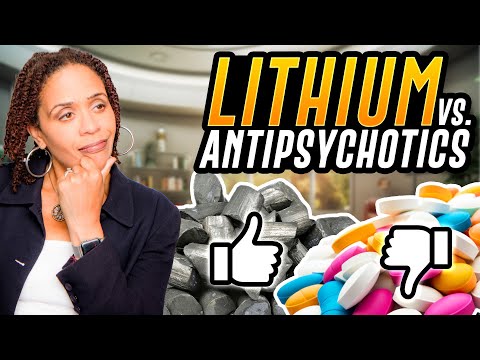
Alright, let’s chat about Seroquel and Lithium. You might have heard of them before. They’re kind of like the dynamic duo in the mental health world.
So, what’s the deal? Both are used to help people juggling various mental health challenges, but they do it in different ways. It’s not always easy figuring out which one fits your needs.
Imagine a friend struggling with mood swings or anxiety—maybe they need something to level things out. That’s where these meds come into the picture.
I mean, everyone’s journey is a little different, right? But understanding how these medications work could shed some light on that path.
Let’s dig into this together and see how they stack up!
Exploring the Safety of Combining Lithium and Seroquel: What You Need to Know
Combining Lithium and Seroquel can be a bit of a hot topic in the mental health world. Both medications are often used for managing mood disorders, but it’s super important to understand the ins and outs before diving in.
So, what’s the deal? Basically, Lithium is a mood stabilizer that helps keep your emotions on an even keel, especially if you’re dealing with bipolar disorder. On the other hand, Seroquel is an antipsychotic that’s often prescribed for conditions like schizophrenia or bipolar disorder as well. Together, these meds can actually complement each other pretty well.
But here’s where it gets tricky: both drugs have their side effects. For instance, Lithium can mess with your kidneys or thyroid if you’re not careful. And Seroquel? Well, it has risks too—like weight gain and drowsiness. So when you mix them, there’s a chance the side effects could stack up.
It’s also worth mentioning that everyone reacts differently to meds. Some people may find that this combo works wonders for them, while others might experience some rough patches. For example, I had a friend who was really struggling with severe mood swings and anxiety. After trying several treatments without much luck, they found that adding Seroquel to their Lithium regimen helped stabilize things significantly.
However, combining these two medications should always be done under close supervision from your healthcare provider. Regular check-ins are crucial because they monitor levels of Lithium in your blood to ensure it stays within a safe range. Too much Lithium can lead to toxicity, which can be dangerous.
A few points you might wanna keep in mind include:
In summary, while there’s potential for combining Lithium and Seroquel safely and effectively, it’s vital you’d work closely with your doctor throughout this process. They’ll guide you on dosage and monitor any reactions you might have. Communication is key here—if something feels off or doesn’t sit right with you, speak up! Your mental health journey is just that—yours—and together with your healthcare team; you’ll find what works best for you.
Exploring the Effectiveness of Lithium and Quetiapine in Treating Bipolar Depression
When it comes to treating bipolar depression, you’ve probably heard about Lithium and Quetiapine, also known by its brand name, Seroquel. Both have been used in different ways to help manage the ups and downs that come with the condition. So, let’s break it down a bit.
Lithium is one of the oldest mood stabilizers around. Doctors often prescribe it because it’s been shown to reduce mood swings effectively. It’s not just about preventing manic episodes; it also helps with depressive phases. Basically, it works by affecting neurotransmitters in your brain—those little guys that send signals between nerve cells.
On the flip side, Quetiapine is an antipsychotic medication but is often used off-label for treating bipolar depression. It helps by altering how certain neurotransmitters work, especially serotonin and dopamine, which can affect your mood a lot.
Now, here’s where things get interesting when you put them together:
- Combination Use: Sometimes doctors might prescribe both Lithium and Quetiapine together to tackle severe symptoms more effectively.
- Research Findings: Some studies suggest that using Quetiapine with Lithium may lead to better outcomes compared to using either one alone.
- Side Effects: While both medications can be beneficial, they come with their own sets of side effects. For example, Lithium can cause weight gain or thyroid issues if not monitored properly.
- Treatment Personalization: The effectiveness really varies from person to person. What helps one individual might not work for another; that’s why close monitoring by a healthcare provider during treatment is crucial.
Imagine someone named Alex who has struggled with bipolar depression for years. After trying various medications with limited success, their doctor suggested starting on Lithium first while closely monitoring levels in their blood. After a few weeks of feeling somewhat stable but still experiencing low moods occasionally, they added Quetiapine at night to help with sleep and improve those pesky depressive symptoms.
This combination worked wonders for Alex! They felt more balanced overall without as many extreme highs or lows. But keep in mind: this isn’t a universal solution; it’s just one story among many.
It’s also worth noting that regular check-ups are super important while on these meds—like getting lab tests for Lithium levels—to avoid any serious side effects.
So there you go! The effectiveness of these two meds depends on personal factors like individual response and dosage adjustments made over time by healthcare providers. Just remember: if you’re considering treatment options or experiencing challenges with bipolar disorder yourself or someone close to you, always reach out for professional help and guidance!
Comparing Lithium and Seroquel: Which Medication is More Effective for Mental Health?
When it comes to treating mental health conditions, medications like Lithium and Seroquel are often discussed. They serve different purposes but can both be important tools in managing mental health. So, let’s break down what each of these meds does and how they can be effective.
Lithium is a classic mood stabilizer. It’s mainly used to treat bipolar disorder, helping to smooth out the ups and downs of mood swings. Here’s what you should know about it:
- Effectiveness: Lithium has been around for decades and has a solid track record for reducing manic episodes.
- Treatment Goals: It aims to keep your mood steady over time.
- Blood Levels: You need regular blood tests to monitor levels because it’s easy to get too much or too little.
I remember a friend who struggled with bipolar disorder. When they started taking Lithium, it was really eye-opening. They began experiencing fewer extreme highs and lows, which made life so much more manageable.
On the other hand, we’ve got Seroquel, which is an atypical antipsychotic that’s often used for bipolar disorder too but comes with some different perks:
- Versatility: Seroquel can treat both mania and depression phases in bipolar disorder.
- Sedating Effects:: Many people find it helps them sleep better—sometimes that’s exactly what you need!
- Tolerability:: It’s generally easier to tolerate than Lithium for many folks.
Now, my cousin had a tough time with her moods before trying Seroquel. It just worked differently than Lithium for her; she felt more stable emotionally but also enjoyed those chill vibes that helped her sleep like a baby.
So when you’re comparing these two meds, it really depends on individual needs:
- If you’re primarily dealing with mood stabilization over time, Lithium might be your go-to.
- If you’ve got mixed episodes or struggle with sleep issues as part of your mental health journey, Seroquel could serve you better.
Both medications come with their own set of potential side effects that you should discuss with your healthcare provider. For instance, while Lithium can lead to weight gain or thyroid issues if not monitored correctly, Seroquel might make some people feel drowsy or dizzy.
In the end, neither drug is universally “better” than the other; it boils down to personal response and specific symptoms. Having a good chat with your doctor about what feels right for you makes all the difference in finding that balance in your mental health management journey!
Mental health management can feel like a complex puzzle, right? You’ve got different pieces that need to fit together just right. Sometimes, medications like Seroquel and Lithium come into play, and figuring out how they can help is a journey.
So, think about Seroquel for a sec. It’s an antipsychotic that can be a lifesaver for people dealing with conditions like schizophrenia or bipolar disorder. I once chatted with a friend who was on it. She told me how it helped her finally get some sleep after months of tossing and turning. That feeling of waking up rested? Wow, that’s huge! She mentioned that once she started taking it, things began to smooth out for her.
Then there’s Lithium—it’s pretty well-known in the mental health world as a mood stabilizer, especially for those grappling with bipolar disorder. It’s kind of like the grounding force in someone’s emotional rollercoaster ride. I remember hearing this story about someone who felt their highs were too high and their lows too low, you know? Once they started on Lithium, it was like the wild swings calmed down significantly. They finally felt a sense of balance.
But here’s where it gets tricky: managing these medications isn’t always straightforward. There are side effects to consider—Seroquel can make some folks sleepy or maybe even lead to weight gain over time. And Lithium? Well, regular blood tests become part of the routine to ensure those levels stay safe.
You see why it all feels like navigating through fog sometimes? It takes patience from both the patient and their healthcare provider because what works wonders for one person might not do much for another. It’s really about finding what fits your individual needs while keeping an eye on any adjustments along the way.
In the end, combining medications like Seroquel and Lithium can lead to better mental health outcomes when done carefully. It’s all about creating that perfect balance—like mixing just the right ingredients in a recipe that resonates with your unique self, you know? And when you find that balance, life can start feeling just a little brighter again.