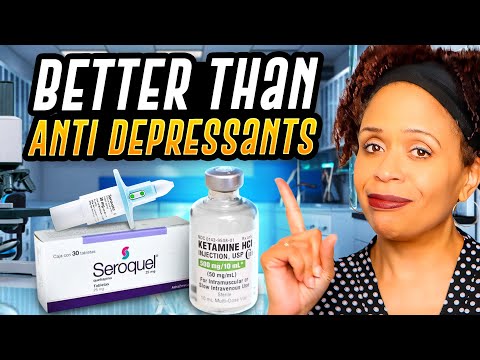
Hey, so, have you heard of Seroquel? Or maybe you know it by its fancy name, Quetiapine? It’s one of those meds that pops up a lot in mental health discussions. But here’s the thing—there’s more to it than just a name.
A lot of people have mixed feelings about it. Some say it’s a lifesaver, while others have concerns. Seriously, figuring out how it fits into the whole mental health puzzle can feel overwhelming.
And let’s be real; mental health is complicated enough without adding medication into the mix! So, if you’re curious about what Seroquel really does and how it might help—or not help—this is your spot. We’ll break it down together, nice and easy.
Understanding Quetiapine: Uses, Benefits, and Effects in Mental Health Treatment
Quetiapine, you know, is a medication that’s often used to treat a few different mental health conditions. It’s more commonly known by its brand name, **Seroquel**. So, what exactly is it used for? Let’s break that down.
Uses in Mental Health
Quetiapine primarily helps with conditions like bipolar disorder and schizophrenia. Basically, it can stabilize mood swings and reduce symptoms like hallucinations or delusions. But that’s not all; some doctors also prescribe it for depression when other treatments haven’t worked. It might even be used off-label for insomnia sometimes. Crazy how versatile it is, huh?
Benefits of Quetiapine
There are some real upsides to taking quetiapine:
- Mood Stabilization: For individuals with bipolar disorder, it can help even out those extreme highs and lows.
- Sedative Effects: Because of its calming effects, it can help you sleep better if you struggle with insomnia related to mental health issues.
- Overall Symptom Reduction: People often find that their symptoms become more manageable over time.
But let me tell you about my friend Jenna. She had been battling severe anxiety and depression for years. After trying countless remedies and therapies without success, her doctor suggested quetiapine as part of her treatment plan. At first, she was skeptical—who wouldn’t be? But after a few weeks of adjusting the dosage, she reported feeling considerably calmer and more in control of her thoughts.
Effects on the Body
Like any medication, there are potential side effects with quetiapine. Some people might experience drowsiness—like needing a midday nap kind of drowsy—weight gain, or dizziness when they stand up too fast. Here are some common effects:
- Drowsiness: Not everyone feels this way but if you’re starting this med, make sure you’re not planning any road trips right away!
- Weight Changes: Some folks notice they gain weight while on this medication; it’s something to keep an eye on.
- Dizziness: Especially when standing up quickly after sitting or lying down.
If these side effects hit hard or don’t seem manageable, it’s crucial to talk to your doctor about adjusting the dosage or exploring other options.
The Wrap Up
In short, quetiapine (or Seroquel) can be a powerful ally for many dealing with mental health issues—it can help reduce symptoms and improve quality of life. Just remember that every person responds differently to medications; what works for one might not necessarily work for another.
So yeah, if you’re thinking about quetiapine or discussing it with your healthcare provider, keep these points in mind! Take care of yourself—the journey towards mental wellness is unique for everyone!
Safety Guidelines for Combining Seroquel and Hydrocodone: What You Need to Know
Combining medications like Seroquel (which is the brand name for quetiapine) and hydrocodone can get a bit tricky. You’re dealing with two substances that affect your brain in different ways, and mixing them can lead to some unwanted risks. Let’s break this down so it makes sense, okay?
First off, both of these meds are often prescribed for specific reasons. Seroquel is mainly used to treat conditions like schizophrenia or bipolar disorder, while hydrocodone is typically prescribed for pain relief. They work differently in your body, which is something to keep in mind.
Now, when you combine them, you got to watch out for a few things:
- CNS Depression: Both medications can depress the central nervous system (CNS). This means they can slow things down—like your breathing and heart rate. If you’re taking both together, the effects can be amplified. That’s not great news!
- Drowsiness: Feeling sleepy or sedated is another risk when you take these meds together. It might be hard to focus or stay alert. Think about it—if you’re feeling drowsy during the day, that’s not ideal for your daily activities.
- Dosage: Always follow your doctor’s instructions regarding dosage. It’s important not to take more than prescribed because that increases the likelihood of negative side effects.
- Adequate Monitoring: It’s crucial for your doctor to monitor how you respond to this combo of drugs. Regular check-ins help catch any adverse reactions early.
- Caution with Alcohol: Mixing either of these medications with alcohol? Uh-oh! That’s a big no-no because it increases the CNS depression effect even more.
- Addiction Potential: Hydrocodone has a risk of addiction or dependence over time. If you’re relying on it while taking Seroquel, be aware of how that might impact your mental health treatment plan.
Let’s paint a picture here: Say you’ve got chronic pain and anxiety issues happening at the same time—totally understandable! Your doctor prescribes Seroquel to help stabilize your mood but also gives you hydrocodone for those tough pain days. While it seems helpful at first glance, without proper guidance and monitoring from them, you could run into some serious trouble.
So look, if you’re ever unsure about what you’re taking or how they might interact? Just ask! Communication with your healthcare provider is key here—they really want what’s best for you.
Lastly, keep an eye out for any side effects like unusual drowsiness or confusion when mixing these meds. Those could be signs that something’s off and need immediate attention.
Remember: safety first! Keep yourself informed and don’t hesitate to reach out if anything feels off when combining these medications.
Understanding Quetiapine Side Effects: What You Need to Know for Better Mental Health
So, let’s talk about Quetiapine, or you might know it better by its brand name, Seroquel. It’s a medication that’s often used for things like depression, bipolar disorder, and schizophrenia. But like any other med, it’s got its perks and downsides. Knowing the side effects can help you work better with your doctor and keep your mental health on track.
Common Side Effects
A lot of folks taking Quetiapine might experience some common side effects. Here are a few:
Less Common Side Effects
Now, sometimes people notice things that are a bit less common but still important:
Serious Risks
There are also some serious side effects that need immediate attention:
Anecdotal Experience
Let me tell you about my friend Sam. He was prescribed Quetiapine after struggling with anxiety and mood swings for years. Initially, he felt great relief from his symptoms—but then he started feeling overly sleepy in the daytime and noticed he’d gained a few pounds without changing his diet much. Sam had a heart-to-heart with his doctor who helped him adjust his dosage and gave tips on diet and exercise—it was a total game-changer for him!
Your Body’s Response Matters
Everyone’s different! What works well for one person may not sit right with someone else. It’s crucial to communicate openly with your healthcare provider about what you’re experiencing. If you notice something off or concerning—like those unusual movements or health changes—don’t hold back! They’re there to help you find what’s best for your mental health.
Remember, medications like Quetiapine aren’t magic pills but tools in your toolbox for managing mental health challenges. Staying informed will help make your journey smoother—and it’s okay to ask questions along the way!
Alright, so let’s chat about Seroquel, which is a brand name for a medication called quetiapine. This stuff is often prescribed for conditions like bipolar disorder and schizophrenia. It can also help with depression in some cases. But you know, when you hear about a medication, it’s a bit of a mixed bag of feelings.
I remember talking to a friend who was really struggling with her anxiety and depression. She had tried several different medications before landing on Seroquel. At first, she was skeptical. I mean, who wouldn’t be? There are so many scary stories out there about side effects and whatnot. But after some time on it, she found that it helped her feel more stable—like the fog was lifting just a bit.
Seroquel works by changing the way certain chemicals in your brain behave—specifically serotonin and dopamine. Those two are big players in mood regulation! So if you’ve ever felt that rollercoaster of emotions, those might be behind the scenes messing with things.
But here’s the thing: it’s not all sunshine and rainbows. Like any medication, it comes with potential side effects—weight gain can be a big one, and some folks experience drowsiness or dizziness when they start taking it. It’s like trading one set of issues for another sometimes, right? So finding the right balance between feeling better mentally but maybe not feeling great physically can feel super frustrating.
And then there’s the whole stigma around taking meds for mental health issues—you know? Society often makes us feel like we should tough it out instead of seeking help through medications like quetiapine.
So basically, while Seroquel can be a helpful tool for some people in managing their mental health challenges, it’s essential to have open conversations with your doctor about how it’s affecting you personally. Like my friend learned over time that her experience was completely unique to her situation; what worked wonders for her might not work as well for someone else.
In the end, navigating mental health treatment is often about trial and error—and maybe some patience!