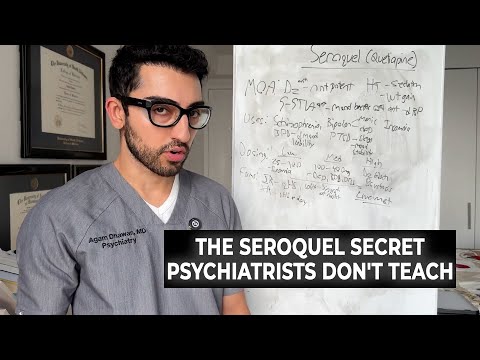
So, let’s talk about Seroquel for a sec. You know, that medication many people take for things like depression or anxiety? It can really help, but it also comes with some quirks.
One of those quirks? Dry mouth. Yeah, not the most fun side effect to deal with. Imagine trying to chat with a friend while feeling like you’ve just eaten a bag of cotton balls. Not cool, right?
But here’s the thing: you’re not alone in this! Lots of folks experience this and other challenges when taking meds. We can totally chat about it—how to manage that pesky dryness and find some relief while navigating life with mental health issues. Sound good?
Understanding Seroquel: Causes and Remedies for Dry Mouth Side Effects
Seroquel, also known as quetiapine, is a medication often used to treat conditions like schizophrenia, bipolar disorder, and depression. While it can be super helpful for people dealing with these challenges, it does come with some side effects. One common one you might hear about is dry mouth, or xerostomia.
So, why does this happen? Well, Seroquel works by affecting certain neurotransmitters in your brain—mainly serotonin and dopamine. These changes can sometimes lead to a decrease in saliva production. Think about it this way: when your body’s busy managing mood and thought processes, salivary glands might take a back seat.
The thing is, dry mouth isn’t just annoying; it can also lead to other issues like tooth decay or difficulty swallowing. That’s why it’s important to tackle it head-on if you’re experiencing this side effect.
Here are a few remedies you might consider:
- Stay Hydrated: Drink plenty of water throughout the day. Keeping yourself hydrated can help alleviate that parched feeling.
- Sugar-Free Gum: Chewing sugar-free gum can stimulate saliva production. Plus, it’s kind of nice to have that minty freshness!
- Mouth Moisturizers: Over-the-counter mouth sprays or gels can provide quick relief. They’re designed specifically for dry mouth issues.
- Avoid Certain Foods: Try cutting back on caffeine and alcohol since these can worsen dryness.
If you’re finding that none of this seems to help much, it’s worth having a chat with your doctor. There are other medications that could potentially relieve dry mouth symptoms without compromising your mental health treatment.
One time I talked with a friend who was on Seroquel, and she shared how dry mouth was driving her nuts during her classes. She tried the gum trick and said it made a big difference! It’s little things like that which can really help make daily life more comfortable.
So ya see? While Seroquel has its benefits in managing mental health symptoms, addressing dry mouth is key for comfort and overall well-being too. Always keep communication open with your healthcare provider so they can support you through any bumps along the road!
Understanding Seroquel: Do Side Effects Fade Over Time?
Seroquel, or quetiapine, is an antipsychotic medication often prescribed for conditions like schizophrenia and bipolar disorder. But one of the questions folks often have is whether those pesky side effects, like dry mouth, eventually fade away with time.
First off, you should know that everyone’s body reacts differently to medications. So what some people experience might not be the same for you. With Seroquel, common side effects include:
- Dry mouth: This can feel uncomfortable and may lead you to drink more water or chew gum.
- Sedation: Many people report feeling sleepy when they first start taking it.
- Dizziness: Especially when you stand up quickly; it’s called orthostatic hypotension.
- Weight gain: This is a big concern for many people on antipsychotics.
Let me share a quick story here. I knew a guy who started on Seroquel for his bipolar disorder. Initially, he really struggled with dry mouth. He tried drinking tons of water throughout the day but still felt parched. Over time though, he noticed that his body adjusted and the dryness got better—a relief for him!
So back to your question about fading side effects: many people find that some side effects do diminish with continued use. This is particularly true for sedation and dry mouth. The thing is, while the body can adapt over weeks or months, some side effects might stick around longer than you’d hope.
If dry mouth or any other side effect becomes too much to handle, it’s important to talk with your healthcare provider. They might suggest strategies like:
- Staying hydrated: Drinking plenty of fluids can help ease that thirsty feeling.
- Mouth rinses: There are products specifically designed to combat dry mouth.
- Candy or gum: Sugar-free options can stimulate saliva production!
This conversation matters because managing those annoying little side effects can significantly improve your day-to-day life while you’re working on your mental health. Remember though; everyone’s journey is different! So keep communicating openly with your doctor about what you’re feeling.
The bottom line? Yes, side effects like dry mouth may fade over time as your body adjusts to Seroquel. Just hang in there and don’t hesitate to reach out if things get tough!
Exploring the Connection: Does Seroquel Increase Anxiety Levels?
So, let’s talk about Seroquel and its connection to anxiety. You might have heard that Seroquel can sometimes bump up anxiety levels for some people. Well, it’s a bit of a mixed bag.
First off, Seroquel is primarily an antipsychotic medication, mainly used for conditions like schizophrenia and bipolar disorder. It does this by affecting certain chemicals in your brain, like dopamine and serotonin. But here’s the kicker: while it helps many people feel more balanced, some might find it brings on feelings of anxiety or makes existing anxiety worse.
When you’re taking Seroquel, you’re also playing with your body chemistry. Your brain gets used to the medication over time. For some folks, this adjustment can cause *temporary* increases in anxiety during the first few weeks of treatment. That’s not uncommon! You know how sometimes when you start a new med, it can feel like a bit of a rollercoaster? Yeah, that.
Here are some reasons why Seroquel might increase anxiety:
- Side effects: Some people experience side effects like restlessness or increased heart rate early on when starting Seroquel.
- Withdrawal symptoms: If someone suddenly stops taking it after being on it for a while, they could feel anxious as their body adjusts.
- Dose changes: Increasing the dosage can sometimes spark anxious feelings too.
Let’s think about someone named Sarah for a second. She started taking Seroquel to help manage her bipolar disorder. At first, she felt more stable but then began feeling anxious and jittery after a couple of weeks. After chatting with her doctor about it, they decided to tweak her dosage and reduce the frequency of her doses instead of going cold turkey on the meds! That helped her calm down a lot.
Now that said—Seroquel isn’t just known for potential downsides; many people find it genuinely stabilizes their mood or helps manage their anxiety over time! It’s kind of tricky because everyone reacts differently based on their unique brain chemistry and circumstances.
And here’s something important to keep in mind: always talk to your healthcare provider if you notice increased anxiety or any other side effects from your meds. They’re there to help adjust things so you can get back to feeling more like yourself.
In summary? Sure, Seroquel can sometimes be linked to rising anxiety levels for certain people—especially at first—but there’s usually room to tweak things so you can achieve better balance without feeling overwhelmed. Always remember—communication with your doc is key!
You know, dealing with mental health stuff is already tough enough, right? And then, when you throw in medication side effects like dry mouth, it can feel all the more overwhelming. Seroquel is one of those meds that some people take to help with mood stability, anxiety, or sleep issues. It does its job well for many, but man, the dry mouth situation can really be a pain.
I remember this one time when a friend started taking Seroquel. Initially, they were feeling great—more calm and centered than ever before. But then they began to notice this constant dryness in their mouth. Like, it felt like they were swallowing cotton balls! It was uncomfortable and honestly pretty distracting. Imagine being in a meeting or chatting with friends and feeling like your tongue was glued to the roof of your mouth—so awkward!
So what happens is that dry mouth isn’t just annoying; it can lead to other problems too. It increases the risk of cavities and gum disease because saliva helps protect your teeth. Plus, if you’re constantly reaching for water or sugar-free candy to ease that dryness, it can feel like a cycle you’re stuck in.
But here’s the thing: it’s super important to communicate these side effects with your doctor. Sometimes they can adjust the dose or even switch meds if it’s causing too much trouble. Nobody wants to sacrifice comfort for mental health treatment! Seriously, you deserve better than that.
I think what’s crucial here is understanding that managing your mental health often means navigating through some bumps along the way—whether that’s adjusting medications or coping with side effects like dry mouth. It’s all part of finding what works best for you.
So next time you’re sitting there feeling parched and frustrated about your medication, remember you’re not alone in this struggle. It’s just one piece of the bigger puzzle called mental wellness. And hey—sometimes talking about these experiences helps lighten the load!