Hey, you ever hear about Seroquel? It’s one of those meds that gets tossed around a lot in mental health discussions.
You know, it’s not just for one thing. Some folks take it for hallucinations and other mental health stuff too. Sounds intense, right?
But seriously, the way it works can be pretty fascinating. It’s like a behind-the-scenes player that helps people find some stability in their lives.
So, let’s chat about how this pill fits into the bigger picture of managing those overwhelming moments when reality gets a bit wobbly.
Exploring the Effects of Seroquel on Hallucinations: Can This Medication Help?
Seroquel, or Quetiapine, is an antipsychotic medication often used to treat various mental health conditions. One of its uses is for managing hallucinations, which can be distressing and disorienting experiences for those who have them. Hallucinations can occur in conditions like schizophrenia, bipolar disorder, or severe depression, causing people to see or hear things that aren’t there. It’s tough to deal with, and finding relief is critical.
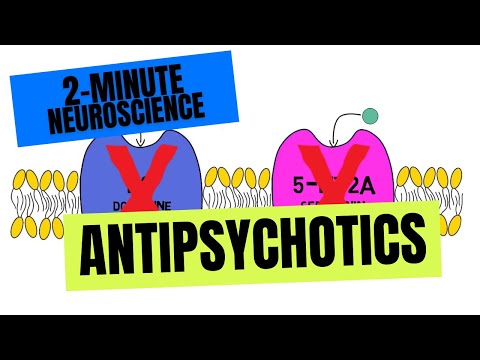
So, how does Seroquel come into play? Well, what happens is that this medication works on certain chemicals in the brain, mainly dopamine and serotonin. These two neurotransmitters are super important for mood regulation and perception. By adjusting their levels, Seroquel can help mitigate those hallucinations.
When it comes to using Seroquel specifically for hallucinations, many studies have shown positive effects. People often report fewer episodes of auditory or visual hallucinations after starting this medication. It might not work the same way for everyone though. Some folks might find significant relief while others experience only a little change.
Now let’s break down some key points about how Seroquel affects hallucinations:
- Dosage matters: The amount prescribed can really influence how effective it is for treating symptoms.
- Side effects: Like any medication, it comes with potential side effects such as drowsiness or weight gain.
- Takes time: You might not see instant results; sometimes it takes weeks for the full benefits to kick in.
- Combination therapy: Sometimes it’s used alongside other medications or therapies for better overall mental health support.
For instance, I once had a friend who struggled with schizophrenia and was often tormented by vivid hallucinations. After starting on Seroquel, he noticed a shift in his experiences—he described feeling more grounded and less scared of what he was seeing or hearing. It didn’t fix everything overnight but really made a difference over time.
But here’s the thing: while Seroquel has its perks, you should definitely talk with your doctor about whether it’s right for you. Everyone’s brain responds differently to medications—you know? It’s all about finding that right fit.
Understanding Seroquel: How Long Does It Take to Work for Dementia?
Seroquel, or quetiapine if you wanna get technical, is an antipsychotic medication that’s often prescribed for various conditions, including dementia-related hallucinations. If you’re curious about how long it takes to work when treating someone with dementia, this is a pretty important conversation.
First off, Seroquel works by acting on certain receptors in the brain. It’s designed to help stabilize mood and can be particularly useful for managing symptoms like agitation and hallucinations. So if someone with dementia is experiencing confusion or seeing things that aren’t there, Seroquel can play a role in helping them feel more at ease.
Now, about the timing. When someone starts taking Seroquel, it doesn’t kick in immediately. In general, you might start to see some effects within a few days. But the full benefits often take a bit longer—about one to two weeks. It’s like waiting for a pot of soup to simmer; it needs time to blend all those flavors together.
Here are some key points about Seroquel’s effectiveness:
- Adjustment Period: Doctors usually start with a lower dose and gradually increase it. This is done to find the right balance without causing too many side effects.
- Individual Variation: Not everyone responds to medications in the same way. Some might feel better sooner; others may take longer.
- Monitoring: Regular check-ins with healthcare providers are important. They’ll assess how well it’s working and make adjustments as needed.
A friend of mine had her grandmother on Seroquel for similar issues. At first, she didn’t notice much change after just a couple of days. But after about ten days or so, her grandma seemed calmer and less anxious. It was heartwarming but also stressful waiting during those initial days—to see if it would help her.
Also worth mentioning: while Seroquel can be effective for some people with dementia-related symptoms, it isn’t without risks. Side effects can occur which range from drowsiness to more serious concerns like metabolic changes over time. So keeping an open line of communication with healthcare professionals is crucial throughout this process.
In essence, patience is important when starting treatment with Seroquel for dementia symptoms. Keep in mind that while it may take some time before you see real progress, getting there can make all the difference in improving quality of life for both the person affected and their loved ones.
Is It Safe to Combine Codeine and Seroquel? Understanding the Risks and Effects
Combining medications can be like mixing different colors of paint. Sometimes, you get a beautiful new shade; other times, it just turns muddy. When it comes to **codeine** and **Seroquel**, the situation definitely calls for some caution.
First off, let’s break down what both of these medications do. Codeine is an opioid pain reliever. It works by blocking pain signals in your brain and also has a sedative effect. Seroquel, on the other hand, is an antipsychotic used mainly for treating conditions like schizophrenia and bipolar disorder. It helps manage symptoms like hallucinations or severe mood swings by affecting balance in certain brain chemicals.
Now, combining these two? That can raise some red flags. Here are a few things to think about:
So here’s a little story that puts this into perspective: Imagine you’re already feeling overwhelmed by anxiety or hallucinations but think you need something for this pesky headache. You pop a codeine pill thinking it’ll just take care of the pain. But then you also take Seroquel because your doctor said it could help with those hallucinations you’ve been having lately. Suddenly, you’re fighting to stay awake when all you wanted was to feel better.
The risks really depend on individual factors too—like how much of each medication you’re taking and your personal health history—especially any history of lung issues or previous substance use problems.
That said, if you’re considering combining these meds or are already doing so without much thought about the implications, it’s crucial to have an open chat with your healthcare provider about it. They can help weigh the benefits against the risks based on your unique situation.
One key takeaway here is that never mix meds without professional guidance! It’s not worth gambling with your health and well-being when alternatives are available that might be safer or more effective for you.
Remember: Your safety comes first!
So, let’s chat about Seroquel for a bit. It’s one of those medications you hear about, especially in the context of treating hallucinations and pretty serious mental health issues like schizophrenia or bipolar disorder. If you’ve ever felt lost in your mind, like something isn’t quite right with reality, you can imagine how much that could shake things up.
A close friend of mine once shared her experience with hallucinations. She described it like being trapped in a movie where the dialogue didn’t make sense and everything felt just a tad off. One day she saw shadows move in her apartment that weren’t really there. That kind of thing would freak anyone out! She ended up in therapy and started taking Seroquel to help manage her symptoms.
What’s interesting about Seroquel is how it works. Basically, it’s an atypical antipsychotic that helps balance chemical messengers in your brain—specifically dopamine and serotonin. Those guys are super important for stabilizing your mood and perception. For my friend, taking Seroquel was life-changing; it helped quieten those unwanted voices and images that were so disruptive.
But you know, while meds like Seroquel can be hugely beneficial, they aren’t a magic bullet. My friend still had to put in the work through therapy, learning coping strategies and figuring out how to navigate life without losing herself to those hallucinations again. It’s kind of this teamwork between medication and self-discovery.
Some people do experience side effects from Seroquel, which can range from drowsiness to weight gain. So it’s not all sunshine and rainbows—side effects can be a real bummer. But when you’re dealing with hallucinations that make daily living pretty tough, finding something that helps is crucial.
In the end, Seroquel played a key role not just for my friend but for many others grappling with similar challenges. It reminded me how important it is to find the right support system when you’re feeling overwhelmed by mental health issues—because nobody should have to face the shadows alone!