Alright, so let’s talk about mood, shall we? You know those days when everything feels a little off? Like, you wake up and it just seems hard to find any joy?
Well, here’s the thing: our brains are like machines that need fuel to run smoothly. And one of the key players in that whole mood game is a couple of neurotransmitters—serotonin and norepinephrine. They’re like the best friends you always want around.
Now, there are these medications called serotonin norepinephrine reuptake inhibitors—yep, that’s a mouthful! But they’re super important when it comes to helping people manage their moods.
So, let’s break it down a bit. How do these meds work? What do they do for you? Stick around as we dig into the nitty-gritty of feeling better!
Understanding Serotonin and Norepinephrine Reuptake Inhibitors: How They Impact Mental Health
Serotonin and Norepinephrine Reuptake Inhibitors, often called SNRIs, are a type of medication used mainly to treat depression and anxiety. They work by increasing levels of two important chemicals in your brain: serotonin and norepinephrine. So how does this whole thing actually work? Well, let me break it down for you.
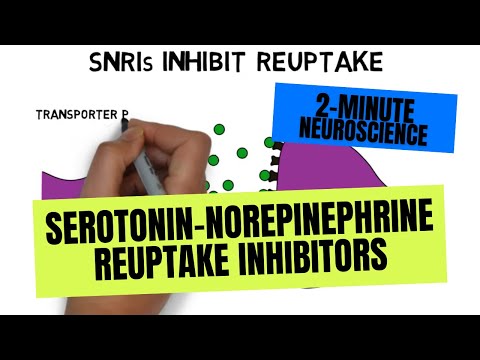
When neurons in your brain communicate, they release neurotransmitters like serotonin and norepinephrine into the gap between them, also known as the synaptic cleft. But here’s the catch: after a while, these neurotransmitters get reabsorbed back into the neuron that released them. This is where SNRIs come in—they block this reabsorption process. By doing that, they keep more serotonin and norepinephrine available, which can help improve your mood.
Now you might wonder why this matters so much for mental health. Well, both neurotransmitters play significant roles in regulating emotions, energy levels, and overall well-being.
- Serotonin: Often dubbed the «feel-good» neurotransmitter, it helps regulate your mood, sleep patterns, and even appetite.
- Norepinephrine: This one’s linked with alertness and energy levels. It can help you feel more focused and motivated when you need it.
If you’ve ever felt really low or lacking motivation—maybe even just dragging yourself through days where getting out of bed feels like climbing a mountain—you can probably connect some of those feelings to imbalances in these chemicals.
Many people share stories about how starting on SNRIs changed their lives. For instance, a friend of mine struggled with severe anxiety for years but found that after starting an SNRI, she felt like a weight had been lifted off her shoulders. She could finally enjoy her hobbies without feeling overwhelmed by worry.
However, it’s important to note that not everyone responds to SNRIs in the same way—and that’s totally normal! Some people find relief right away; others might take weeks before noticing a difference. Plus, side effects can vary too; things like nausea or changes in sleep patterns might crop up at first but often lessen over time as your body adjusts.
Despite all this info about how helpful SNRIs can be for managing mood issues like depression or anxiety disorders, they aren’t magic pills—more like tools to help you along the journey towards better mental health. Therapy and lifestyle changes also play critical roles.
In summary, understanding what SNRIs do is super beneficial if you’re navigating mental health challenges. These medications target **serotonin** and **norepinephrine** to lift you up when you’re feeling down or anxious—sometimes making life feel manageable again! But always remember: talking to a healthcare professional is key when considering any medication for mental health issues.
How Norepinephrine Influences Your Mood: Understanding Its Impact on Mental Health
So, let’s chat about norepinephrine and how it messes with your mood. You might not realize it, but this little chemical plays a pretty big role in how you feel day-to-day. It’s one of those neurotransmitters—like the messengers in your brain—that helps regulate various emotional states.
Norepinephrine is often linked to your body’s fight or flight response. So when you’re stressed or scared, levels of norepinephrine shoot up. This can make you feel anxious or even jittery at times. But that’s just one side of the story!
On the flip side, this neurotransmitter is also involved in keeping you alert and focused. Think about a time when you were super engaged during a great movie or captivated by a book—you know that buzz you get? Yeah, that’s norepinephrine at work!
Now, let’s break down its impact on mood:
- Boosting Alertness: When norepinephrine levels are optimal, you’re more awake and ready to tackle challenges. But if they’re too low? Well, that could lead to feelings of fatigue or lack of motivation.
- Anxiety Connection: High levels can trigger anxiety symptoms for some folks. If your mind races and you can’t settle down? Yeah, that’s probably due to too much norepinephrine.
- Depression Link: Low levels have been associated with depression. It kind of makes sense since our brains need a balance of these chemicals to keep spirits up.
So how does this relate to medications like Serotonin Norepinephrine Reuptake Inhibitors (SNRIs)? Well, SNRIs work by increasing the availability of both serotonin and norepinephrine in your brain. That combination can help lift your mood and reduce anxiety for many people.
I remember chatting with a friend who started on an SNRI after struggling with feeling down for months. She described feeling heavy like she was dragging around a weight everywhere she went. After a few weeks on the medication, she mentioned it was like someone finally turned up the brightness in her life again. There was energy flowing through her that she thought was lost forever!
But again—everybody reacts differently to these changes. Some might find relief while others may experience side effects that need managing.
To wrap it up: Norepinephrine is crucial for keeping your moods balanced—too much can lead to anxiety while too little can drag you down into depression’s grasp. And while medications like SNRIs can offer assistance for some folks, it’s all about finding what works best for each individual.
Moods are complex—for sure! But understanding how norepinephrine fits into the picture is definitely an important piece of that puzzle!
Understanding SSRIs and NDRIs: How to Determine If They’re Right for You
When it comes to managing mood, you might hear the terms SSRIs and NDRIs thrown around a lot. So what are they? Basically, these are types of medications that can help regulate the chemicals in your brain—especially when your mood is swinging like a pendulum on a rollercoaster.
SSRIs, or Selective Serotonin Reuptake Inhibitors, work mainly by increasing serotonin levels. Serotonin is that happy little neurotransmitter associated with feelings of well-being. If you’re feeling down, it could be because your brain isn’t using serotonin effectively. That’s where SSRIs come in—they help keep more serotonin available in your system.
NDRIs, which stands for Norepinephrine-Dopamine Reuptake Inhibitors, do something a bit different. These meds focus on increasing both norepinephrine and dopamine, two other key players in regulating mood and motivation. So if you’re feeling kind of flat or unmotivated, an NDRI might be worth considering.
You might wonder how to know if these meds are right for you. Well, it mostly depends on how you’re feeling and what symptoms you’re experiencing:
- If you’re struggling with depression and low energy, an NDRI like Wellbutrin might give you that boost.
- If anxiety feels like it’s creeping in alongside your low mood, SSRIs such as Prozac or Zoloft could be more up your alley.
- Some folks notice they feel jittery or restless on SSRIs; if that’s you, maybe an NDRI would better suit your temperament.
- Everyone’s body reacts differently to these meds! It takes time to figure out what works best for your individual situation.
A quick story: I have a friend who was really struggling with her mood swings. She felt like she was living in black-and-white instead of color—totally numb some days but then crying over commercials other days! After talking with her doctor about her symptoms, they decided to try an SSRI first. Within weeks, she felt like someone finally turned the lights back on—it made a world of difference for her.
You should also keep in mind that these medications take time to kick in—usually several weeks before you notice any changes. It’s super important to communicate with your healthcare provider during this time; they can adjust dosages or even try different medications based on how you’re feeling.
Side effects can happen too; common ones include dry mouth, nausea, insomnia—or sometimes even weight gain or loss. If any side effects get too annoying, definitely reach out to your doctor!
The bottom line? SSRIs and NDRIs can be really effective tools for managing mood disorders. But determining if they’re right for you should always involve honest conversations with a healthcare professional who understands your unique situation—and don’t forget: you’re not alone in this journey!
Okay, so let’s chat about mood and how some medications can play a role in it. You might have heard of these things called Serotonin Norepinephrine Reuptake Inhibitors (SNRI). They sound super technical, but they’re actually pretty interesting when you dig into them.
You know how sometimes you just don’t feel like yourself? Like, one day you’re on top of the world, and the next, it feels like a dark cloud’s hanging over your head? For many people dealing with depression or anxiety, this rollercoaster can be brutal. That’s where SNRIs come into play. They help boost the levels of serotonin and norepinephrine in your brain. Think of those two as your mood’s best buddies.
Serotonin is often called the «feel-good» chemical—making you feel happier and more relaxed—while norepinephrine plays a role in managing stress response and energy levels. When these guys are low or out of balance, your mood can take a serious hit.
I remember my friend Sam struggled for a long time with feeling down. He tried talking to therapists and even tried a few other medications without much luck. But when he started taking an SNRI, it was like someone turned up the volume on his life again. He was able to go back to doing things he loved—hiking, playing music, all that good stuff. It wasn’t instant magic or anything; it took some time to find the right dosage and get used to it all—like adjusting to new shoes that were still stiff—but slowly he settled into a good rhythm.
But here’s the thing: SNRIs aren’t for everyone. Some folks might experience side effects or just not feel any different at all. Plus, they may take a few weeks before you really notice changes in your mood.
It’s also important to remember that while meds can help so much, they’re often just one part of a bigger puzzle—you know? Therapy, lifestyle changes like exercise or eating better, and having supportive friends all make huge differences too.
When you’re trying to manage your mood or help someone else do so, understanding how these meds work can be eye-opening. It’s not just about popping pills; it’s about figuring out what helps make sense for you—whatever that looks like—and finding people who get where you’re coming from along the way.
So yeah, if you’re thinking about SNRIs for managing mood swings or looking out for someone who might need support with this stuff? Just keep an open mind and know that everyone has their own journey with these things. And always reach out for advice when needed!