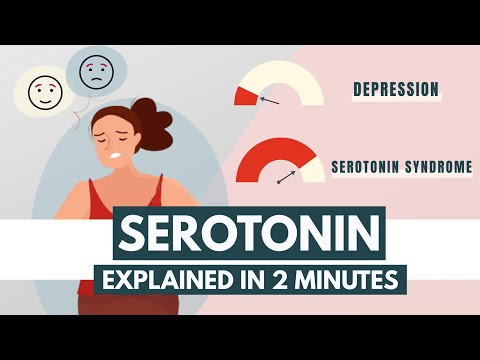
You know that feeling when life’s just a bit too much? Yeah, we all have those days. Sometimes, everything feels heavy, like you’re dragging around this invisible weight.
Well, that’s where serotonin comes into play. It’s like a little happy messenger in your brain. And for some people, getting that boost can make a world of difference.
So what about those serotonin pills? They’re not magic or anything, but they can help. Let’s chat about how they work and why they might be worth considering for mental wellbeing. Seriously, it’s an interesting ride!
Understanding Serotonin: Its Key Role in Enhancing Mental Health and Well-Being
Serotonin is like that friend who keeps the vibe right at a party. It’s a neurotransmitter, which means it helps send messages in your brain. You might have heard about it in the context of mood, sleep, and all those emotions we deal with every day. A lot of folks associate serotonin with feeling happy or content. That’s because it plays a big role in regulating your mood.
Now, let’s get into the nitty-gritty of how this little chemical affects us. When serotonin levels are balanced, you’re likely to feel more stable emotionally. But when they drop? Things can get rough. Feelings of sadness or anxiety can creep in. It’s like when you forget to charge your phone; everything just feels off.
Here are some key points about serotonin:
- Mood Regulation: Serotonin helps keep our moods stable. Low levels are linked to depression and anxiety.
- Sleep Quality: It plays a part in sleep cycles. A healthy level can help you fall asleep easier and wake up feeling refreshed.
- Appetite Control: Serotonin impacts appetite too. When you’re feeling good, you’re probably less likely to stress-eat or crave junk food.
- Pain Perception: This neurotransmitter even influences how we experience pain; higher levels can make us more resilient to pain.
This brings us to those serotonin pills or SSRIs (selective serotonin reuptake inhibitors). They work by increasing the available serotonin in your brain. Imagine them as the friendly bouncers at that party, keeping things flowing smoothly. People often find that these meds help lift their mood and reduce anxiety over time.
But hey, they’re not magic pills! It’s like baking a cake—you need other ingredients too: therapy, lifestyle changes, and support from friends or family.
A while back, I remember chatting with a buddy who was dealing with some serious stress and anxiety. They felt stuck on this emotional rollercoaster all the time. After talking to their doctor about it—like actually discussing feelings—the doctor suggested trying one of these medications along with therapy sessions.
At first, my friend was skeptical but decided to give it a shot after some moments of sheer frustration where nothing seemed to work anymore. Slowly but surely, they started feeling more like themselves again. They described it as if someone turned up the brightness on their life—everything felt clearer and more manageable!
That change didn’t happen overnight; it took time for their body to adjust and for therapy to kick in too—but the improvement was noticeable.
So really understanding serotonin goes beyond just knowing it’s tied to happiness; it’s about recognizing its vital role in our overall mental health and well-being—it connects so many dots that impact our daily lives!
Unlocking Wellness: The Benefits of Serotonin Pills for Mental Health
So, let’s talk about serotonin and how it connects with your mental health. You know, serotonin is that amazing brain chemical—a neurotransmitter—sometimes called the “feel-good” hormone. But it’s not just about feeling happy. It plays a big role in your overall wellness, including mood regulation, sleep, appetite, and even digestion.
Now, when things get a bit out of balance—like if you’re feeling down for too long—serotonin levels might be involved. This is where serotonin pills come into the picture. Basically, these medications aim to boost the amount of serotonin available in your brain. They can help lift your mood, improve sleep patterns, and reduce anxiety.
Benefits of serotonin pills might include:
- Improved Mood: Many people report that these pills help them feel more stable and less overwhelmed by negative emotions.
- Better Sleep: Serotonin affects melatonin production—the hormone responsible for sleep. So, better serotonin levels can lead to improved sleep quality.
- Anxiety Reduction: These meds often help take the edge off anxiety for some folks. It’s like taking a deep breath when life feels chaotic.
But here’s a personal story—my friend Sam had been struggling with depression for years; he felt like he was stuck in this dark cloud that just wouldn’t go away. After trying different therapy approaches without much success, his doctor suggested serotonin pills as part of his treatment plan. It took some time to find the right dose and medication that worked for him. But eventually? Well, he started feeling like himself again; he was laughing more and enjoying things like going out with friends that once felt so heavy.
Of course, these medications aren’t magic pills. They work best when combined with therapy or lifestyle changes—like exercise or talking things out with someone you trust.
There are potential side effects too. Some folks experience nausea or weight gain; others might feel tired or restless at first until their body adjusts. So it’s super important to have open conversations with your doctor about what you’re feeling along the way.
Remember: everyone reacts differently to medications! What works wonders for one person may not do much for another—and that’s totally okay.
In short? Serotonin plays a key role in mental well-being! If you think you might need some extra help lifting that dark cloud, chat with someone—whether it’s a doc or a therapist—about whether serotonin pills could be part of your journey towards wellness. Just keep an open mind and trust yourself through it all!
Exploring the Impact of Trazodone on Serotonin Levels: What You Need to Know
Trazodone is an interesting medication that’s often prescribed for depression and anxiety, but it’s also known for its effects on sleep disorders. So, what’s the deal with trazodone and serotonin? Well, let’s break it down.
When you take trazodone, it mainly works by affecting serotonin levels in your brain. You see, serotonin is a neurotransmitter that plays a big role in regulating mood, sleep, and even appetite. It’s often called the “feel-good” chemical because higher levels tend to boost your mood. But here’s the kicker: trazodone not only increases serotonin but also helps to block certain receptors that can lead to side effects.
This combination can lead to some pretty noticeable changes in how you feel. Lots of people find that after starting trazodone, they experience improved moods or reduced anxiety. Look, it’s not magic; it’s just science at work.
Here are some key points about how trazodone impacts serotonin levels:
- Increased Serotonin Availability: Trazodone works by inhibiting the reuptake of serotonin. Basically, this means it helps keep more serotonin available in the brain.
- Receptor Blockage: By blocking specific receptors (like 5-HT2A), trazodone can alleviate some of the negative side effects associated with other medications that boost serotonin.
- Sedating Effects: One reason doctors often prescribe it for insomnia is because its sedative properties help many people fall asleep easier.
Now, let’s talk about someone I know—a friend who struggled with chronic insomnia due to anxiety. She tried various medications but found them all left her feeling foggy during the day or just didn’t work at all. Finally, her doctor suggested trazodone. Within a few weeks of using it, she noticed she could fall asleep faster and felt more rested overall when she woke up. The best part? Her mood improved because she wasn’t drained from sleepless nights.
It is important to realize that while many people respond well to trazodone, it’s not for everyone. Some folks might experience side effects like dizziness or dry mouth—totally annoying! That’s why working closely with your healthcare provider is super important if you’re considering this medication.
In terms of mental well-being overall, medications like trazodone can be helpful when combined with therapy or lifestyle changes. Sure, medication can help balance those brain chemicals and give you a leg up when dealing with mental health issues; however… mental health isn’t solely about what you take—it’s about addressing your whole life!
So there you have it! Trazodone plays a significant role in enhancing serotonin levels and can really make a difference in how you feel over time. Just remember to keep those lines of communication open with your doctor if you’re thinking about trying it out!
You know, when we talk about serotonin pills—like antidepressants—it’s really easy to get lost in the technical terms and medical jargon. But at the end of the day, it’s all about how they can make a difference in someone’s life. I remember my buddy Jake. He was always upbeat, cracking jokes, but then something shifted. Suddenly, he wasn’t himself anymore. It was like a dark cloud had settled over him.
So, here’s the deal with serotonin. It’s that nice little neurotransmitter in our brain that helps regulate mood, emotions, and even sleep. When your serotonin levels dip too low, you might feel pretty crummy—think of anxiety and depression pushing their way into your life like unwanted guests. That’s when some people might turn to these pills for a hand.
Now, they don’t work like magic switches or anything; it takes time for them to kick in. And yeah, side effects can be a thing—everything from nausea to feeling a bit jittery. But for someone who’s genuinely suffering, these medications can help balance out those chemical messengers and create a clearer path toward feeling better.
I can’t forget this moment when Jake decided to give it a shot after trying everything else. It didn’t happen overnight; there were days he still felt rough around the edges. But slowly? He started laughing again! Gradually ditching that cloud that hung over him seemed possible.
The thing is though—serotonin pills aren’t just about popping a pill and calling it a day; they’re often part of a bigger picture involving therapy and lifestyle changes too. They might help ease the mental strain enough for someone to deal with their issues head-on instead of running from them.
But you gotta remember: these medicines aren’t for everyone! Some folks may try them out and find they don’t work well or hate how they feel on them—and that’s totally valid too! It’s kind of like trying on shoes; what fits one person may not fit another.
At the end of the day, we’re all different pieces of this complex puzzle called mental health—and serotonin plays its role just like everything else does. And while pills can help some people take steps towards recovery, it’s really about finding what works best for you as an individual—a mix of support systems with friends or family, professional advice, maybe even exercise or meditation thrown into the mix.
So yeah—serotonin pills can be valuable tools when navigating tough times; they’re worth considering if you’re struggling with mental well-being—but definitely weigh all options out there before diving straight into one choice!