Hey, you ever think about how your brain changes during pregnancy? It’s wild, right? You’re not just growing a baby; your hormones are doing a crazy dance too.
One of the big players in this hormonal fiesta is serotonin. Yeah, that feel-good chemical everyone talks about! It’s super important for your mood and emotional balance, especially when you’re expecting.
But here’s the thing: pregnancy isn’t all sunshine and rainbows. Trust me, I’ve seen friends navigate those ups and downs firsthand. It’s a rollercoaster ride for sure! So let’s talk about what serotonin really does during this time and how it can shape your mental health.
How a Mother’s Mental Health Influences Fetal Development: Understanding the Impact on Babies in the Womb
A mother’s mental health during pregnancy plays a pretty significant role in how her baby develops. You might not realize it, but the emotional and mental well-being of a mom can have lasting effects on her little one. Let’s break it down a bit, shall we?
First off, serotonin is this amazing neurotransmitter in your brain that helps regulate mood, anxiety, and overall happiness. When a pregnant woman has low serotonin levels, it can lead to increased feelings of stress and anxiety. This isn’t just tough on her; it can also affect the fetus. If you’re feeling overwhelmed or depressed while pregnant, those feelings can mess with how well your baby develops.
There are a few key ways a mother’s mental health influences fetal development:
- Stress Hormones: High levels of stress can lead to an increase in hormones like cortisol. Elevated cortisol can affect fetal growth and brain development.
- Nutrition: Moms going through tough times may not eat well. Poor nutrition means fewer nutrients for the baby, which is essential for brain and body development.
- Bonding Issues: A mom struggling with mental health may have trouble bonding with her baby before they’re even born. This emotional disconnect can impact the baby’s emotional development.
Think about this: imagine feeling constantly anxious during your pregnancy—it isn’t just draining; it’s also creating an environment that could affect how your baby feels later on. It’s wild to think that those tiny kicks you feel could be influenced by your mood swings.
Moreover, research suggests that children born to mothers with untreated depression or anxiety during pregnancy might face challenges later in life—like speech delays or behavioral issues. That doesn’t mean every child will struggle; it’s just something to keep in mind.
What adds another layer is that sometimes moms might avoid seeking help due to stigma or fear of judgments about their mental health—kind of like they’re stuck between a rock and a hard place. It’s so important for mothers to prioritize their own mental wellness during pregnancy because when they feel better emotionally, their babies benefit too!
In short, taking care of mental health during pregnancy isn’t only about feeling good—it impacts fetal development in real ways! So if you’re expecting or know someone who is, encouraging open conversations about feelings and seeking support if necessary could make all the difference for both mom and baby!
Understanding Serotonin: Benefits and Risks During Pregnancy for Mental Health
When you think about serotonin, you might picture something like a magical mood-boosting chemical floating around in your brain. And hey, you wouldn’t be too far off! It’s a key player in regulating mood, sleep, and even appetite. But what about when it comes to pregnancy? Well, let’s unpack that.
Serotonin is super important for mental health during pregnancy. You see, many women experience fluctuations in their mood due to hormonal changes. This can be like riding a rollercoaster—up one minute and down the next. Research shows that optimal serotonin levels can help keep those emotional dips at bay.
But let’s not ignore the other side of the coin. Some studies suggest that disturbances in serotonin levels could increase the risk of developing conditions like depression or anxiety. Imagine feeling overwhelmed by these feelings when you’re also trying to grow a tiny human! That’s tough.
- The Benefits: Higher serotonin levels can help alleviate symptoms of depression and anxiety during pregnancy. So, for someone dealing with mood swings or anxiety issues, managing serotonin could be beneficial.
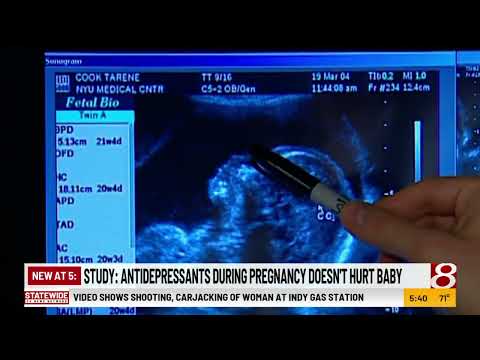
- The Risks: However, if those serotonin levels are artificially boosted through medications like SSRIs (Selective Serotonin Reuptake Inhibitors), there could be potential risks for the baby—like low birth weight or withdrawal symptoms after birth.
- Anecdotal Evidence: Picture this: A friend of mine struggled with severe anxiety during her first pregnancy. After talking to her doctor, she switched up her diet and started some light exercise. She found natural ways to boost her serotonin. The result? She felt more balanced emotionally as her little one grew.
- The Balancing Act: For some women, discontinuing antidepressants during pregnancy can lead to worsening mental health conditions. This is where it gets tricky—balancing the need for serotonin while considering potential risks is no small feat.
You know how everyone talks about “the best interest of mom and baby”? Yeah, that’s what this really boils down to—a constant assessment of benefits versus risks. Each woman’s situation is unique; what works for one might not work for another.
If you’re pregnant or planning on getting pregnant and dealing with mental health issues related to serotonin levels, it’s vital to talk with your healthcare provider. They can help navigate through options such as therapy or alternative treatments that may assist without heavy medication use.
Navigating mental health and pregnancy isn’t straightforward but understanding how serotonin plays a role can really empower you in making informed choices for yourself and your future child.
Building Mental Resilience: Tips for Staying Strong During Pregnancy
Pregnancy can be a rollercoaster ride, you know? Your body goes through a ton of changes, and these shifts can really mess with your emotional health. Sometimes you feel on top of the world, and other times, everything seems overwhelming. That’s where mental resilience comes into play—it’s all about staying strong through those ups and downs.
Understanding Serotonin: This little chemical is like a mood booster in our brains. During pregnancy, levels of serotonin can fluctuate due to hormonal changes. Higher levels might help you feel happier, while lower levels can lead to feelings of anxiety or sadness. Basically, you want to keep that serotonin flowing smoothly.
- Stay Active: Exercise isn’t just for keeping fit; it’s also great for your mental health. Simple activities like walking or gentle yoga can boost those serotonin levels and lift your mood.
- Connect with Others: Reach out to friends, family, or support groups. Sharing experiences and getting support makes a big difference in how you feel.
- Nourish Your Body: A balanced diet rich in fruits, veggies, whole grains, and lean proteins can do wonders for your mental state. Omega-3 fatty acids found in fish have been linked to improved mood too!
- Set Aside Me-Time: Carving out time for yourself is crucial. Whether it’s reading a book or taking a relaxing bath, these little moments help recharge your emotional batteries.
- Breathe Deeply: Practicing deep breathing or mindfulness meditation can calm your mind and reduce stress—seriously effective stuff!
I remember when my friend was pregnant; she often felt anxious about everything from her changing body to birthing plans. But she slowly learned that when she focused on positive self-talk and took long walks in nature, she felt much better equipped to tackle her worries.
Create a Routine: Having a daily routine provides structure and predictability amidst the chaos of pregnancy. Keeping even small habits helps ground you emotionally.
Acknowledge Your Feelings: It’s so important to recognize that it’s okay not to feel okay all the time! Emotions during pregnancy can be intense—you might cry over nothing one minute and laugh the next. It’s all part of the process.
If you find that feelings are getting too heavy or persistent though, don’t hesitate to reach out for help from professionals who understand pregnancy-related mental health issues!
Your journey is unique; building mental resilience takes time but it’s so achievable! Remember to treat yourself with kindness along the way—you’re doing something amazing!
So, let’s chat about serotonin and how it plays into mental health during pregnancy. You know, this whole journey can be a rollercoaster of emotions. One minute you’re glowing with joy, and the next, you’re feeling overwhelmed and anxious.
Serotonin is often called the “feel-good” neurotransmitter because it helps regulate mood. During pregnancy, your body goes through so many changes—it’s like a science experiment gone wild. And while that can be beautiful, it can also stir up a lot of anxiety or depression for some people.
I remember my friend Maria during her pregnancy. She was super excited to become a mom, but those days when she felt low? Wow, they really hit hard. Sometimes she’d cry for no reason at all in the middle of her favorite show! It was as if her serotonin levels were on a seesaw: one moment high, the next crashing down. It made me realize how complex this whole thing is.
Research shows that pregnant people often experience fluctuations in serotonin, which affects mood stability. But that’s not all! The body’s stress response can shoot up too. If you’re feeling down or out of sorts during pregnancy and it seems like everything is just too much to handle, know you’re not alone.
And here’s something interesting: Some studies suggest that low levels of serotonin may even contribute to conditions like postpartum depression down the line. It’s crucial to keep an eye on mental health throughout this time—not just during pregnancy but even after baby arrives.
It might help to talk things out with someone who understands—like a therapist or a supportive friend—or maybe even have open chats with your doctor about how you’re feeling emotionally as well as physically.
So really, it’s important to be gentle with yourself during this period. Embracing those wild emotional swings and recognizing them could potentially lighten the load just a bit. And remember: there are people ready to help if you find yourself needing extra support along this journey!