You know that feeling when you just can’t shake off the blues? It’s like a cloud looming over your head, right? Well, sometimes, it all comes down to this little chemical in our brain called serotonin.
Seriously, serotonin is a big player when it comes to mood. It’s not just some random name thrown around in psychology classes. This stuff really matters for our mental health.
So, let’s chat about serotonin reuptake inhibition. Sounds fancy, huh? But really, it’s all about how we can boost those feel-good vibes and kick that sadness to the curb.
Understanding Serotonin Reuptake Inhibition: Effects on Mood and Mental Health
Serotonin is kind of like a superhero in your brain. It plays a huge role in regulating mood, anxiety, and even how you feel about life in general. When people say “serotonin levels,” they’re usually talking about how much of this chemical is floating around in your system. So, the thing is, when we have low serotonin levels, it can lead to feelings of sadness, anxiety, or even depression. Now, that’s where serotonin reuptake inhibition comes into play.
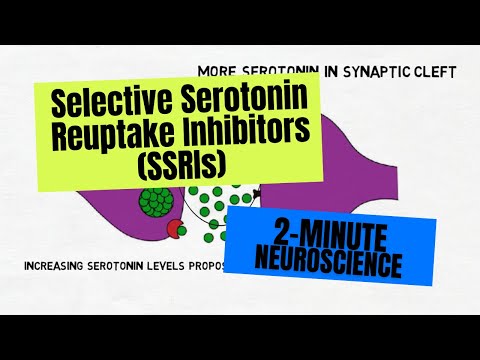
So here’s the scoop: normally, after serotonin does its job sending happy signals between nerve cells (neurons), it gets sucked back up into the neuron that released it—a process called reuptake. Think of it like a sponge soaking up water. But here’s the twist: by blocking this reuptake process with medications known as selective serotonin reuptake inhibitors (SSRIs), we essentially keep more serotonin available for those happy vibes.
When SSRIs are prescribed—like fluoxetine (Prozac) or sertraline (Zoloft)—they help enhance serotonin activity by preventing it from getting reabsorbed too quickly. By boosting these levels in the brain, many people notice improvements in their mood and a reduction in anxiety symptoms over time.
Now, let’s break down some key points related to how this all affects your mental health:
- Mood Improvement: Higher serotonin levels often lead to better overall mood and emotional stability.
- Anxiety Reduction: Many people find that SSRIs can help reduce feelings of anxiety and panic.
- Long-term Benefits: While many experience initial side effects like nausea or sleepiness when starting SSRIs, the longer-term benefits often outweigh these issues.
- Coping with Stress: Increased serotonin can also improve your resilience to stressors—meaning you might handle life’s curveballs a bit better.
I remember talking with a friend who was struggling with depression for years before finally giving SSRIs a shot. At first, she was skeptical—like who wouldn’t be? But after some time on them, she said she felt more “herself” again. It wasn’t an instant fix; there were ups and downs during that journey. But slowly she found herself laughing again and actually enjoying life moments she’d almost forgotten about.
But you know what? Not everyone responds the same way to SSRIs. Some might have side effects that make them feel weird or not notice any change at all! That’s why working closely with your doc is super important. They can help tweak medications or suggest other therapies if needed.
In summary, understanding how serotonin reuptake inhibition works gives us insight into one pathway for improving mood and addressing mental health challenges. It’s like finding pieces of a puzzle to see the bigger picture of emotional wellness!
Understanding Serotonin Reuptake Inhibitors: How They Work and Their Impact on Mental Health
Serotonin Reuptake Inhibitors, commonly known as SSRIs, are a type of medication often used to treat conditions like depression and anxiety. They work by altering the way serotonin—a key chemical in your brain—functions. So, let’s break it down.
What happens is that serotonin is released from one nerve cell and travels across a tiny gap, binding to receptors on another cell. This process affects your mood, emotions, and even your feelings of happiness. Normally, after serotonin does its job, it gets reabsorbed or “reuptaken” back into the first cell. That’s where SSRIs come in.
By blocking this reuptake process, SSRIs increase the amount of serotonin available in the brain. More serotonin can help improve mood and reduce anxiety symptoms. It’s like leaving more friends at a party instead of sending them home early; more interaction can lead to more fun!
Now, you might be wondering about their impact on mental health. Many people find relief from their symptoms while taking SSRIs. However, it’s not all sunshine and rainbows for everyone—side effects can happen too.
Here are some common effects:
- Improved Mood: Many users report feeling less anxious or depressed after starting SSRIs.
- Side Effects: Some people experience nausea or fatigue during the first few weeks.
- Time to Work: It usually takes several weeks to really notice the benefits.
For example, take Sarah who struggled with depression for years. After starting an SSRI, she found her anxiety decreased significantly over a few months. She started enjoying things again—the little things like coffee dates with friends or even just watching her favorite shows without feeling overwhelmed.
Still, there are some concerns with long-term use. Some studies suggest that they may not be effective for everyone and should be paired with therapy for best results.
So seriously consider what works for you personally! The journey of managing mental health isn’t one-size-fits-all; it’s unique to each individual.
In summary, SSRIs play a significant role in helping many people manage their mental health issues by keeping serotonin circulating longer in our brains—just remember that finding the right balance is key! And communication with your healthcare provider is super important throughout the process too.
Exploring the Impact of SSRIs on Emotional Regulation: What You Need to Know
SSRIs, or selective serotonin reuptake inhibitors, are a class of medications often prescribed for depression and anxiety. They work by increasing the level of serotonin in your brain, which is a chemical that helps regulate mood. So, basically, if you’re feeling low or anxious, SSRIs are designed to help lift you up a bit. But how do they actually affect your emotional regulation? Let’s break it down.
When you’re struggling with your emotions—like feeling really sad or anxious—your brain might not be sending the right signals because it doesn’t have enough serotonin floating around. And that’s where SSRIs come in. By blocking the reabsorption (or reuptake) of serotonin back into the brain’s neurons, these meds help boost serotonin levels and enhance mood signaling.
Now, that sounds all great and dandy, but there are some things to consider. The impact of SSRIs can vary from person to person. Some people might feel like they’ve got a new lease on life while others may notice only minor improvements—or even side effects that make them feel worse instead of better.
Imagine you’re stuck in a really gloomy place; everything feels heavy and gray. A friend suggests trying an SSRI. You give it a shot and gradually notice colors coming back into your life; you laugh more often and cry less frequently at random stuff. That’s the good side! However, someone else might take the same medication and end up feeling even more numb or disconnected from their feelings altogether.
So how do these meds specifically help with emotional regulation? Well, here are some key points:
- Heightened Mood: Many experience an improved overall sense of well-being.
- Less Reactivity: You might find you don’t get upset as easily over small things.
- Clearer Thinking: With emotional fog lifted, decision-making may feel easier.
- Coping Strategies: SSRIs can make it easier to use other coping methods effectively.
However, one thing worth noting is that not everyone will experience these changes positively right away—or at all! Sometimes it takes time for the medication to kick in fully. Or maybe it’ll require adjusting the dosage or switching to another SSRI entirely.
It’s also essential to pair medication with other therapies for emotional regulation! Cognitive-behavioral therapy (CBT) is pretty popular here; it helps you recognize negative thought patterns and teaches skills to change them over time.
Finally, always keep communication open with your doctor about how you’re feeling on SSRIs—not just about their effectiveness but any side effects too! Being upfront helps ensure you get the right treatment for your needs.
In short, while SSRIs can significantly aid in emotional regulation by boosting serotonin levels in your brain and helping create a calmer space for you emotionally, they’re not magic pills that work for everyone instantly. It’s all about finding what works best for you—so don’t hesitate to reach out for support along the way!
So, let’s chat about serotonin reuptake inhibition, a fancy term that’s tossed around a lot in the mental health world. You know, when people talk about depression or anxiety, they often mention serotonin like it’s the holy grail of happiness. And here’s what you should know: serotonin is like that friend who makes you feel good but sometimes vanishes when you need them the most.
You might’ve heard of selective serotonin reuptake inhibitors (SSRIs). These are meds that help keep serotonin hanging around in your brain longer instead of just scooting back into the cells like they’re rushing to an exit. The idea is that more serotonin equals better mood and less anxiety. It’s like giving your happy chemicals a boost when they’re feeling lazy.
My friend Sarah struggled with anxiety for years. She was always anxious about everything—work, social events, even going grocery shopping felt like climbing a mountain. After talking to her doctor, she started on an SSRI. At first, it took time to kick in, and honestly, she had good days and bad days. But after a few weeks? Wow! It was like she’d put on a pair of glasses and could finally see clearly again. She laughed more often and even joined a yoga class—who knew?
But here’s where it gets real: those medications aren’t magic pills. They can help balance things out but can’t take away all your issues or feelings. Sometimes side effects happen too—like feeling spacey or having trouble sleeping—which can be super frustrating.
The role of serotonin reuptake inhibition in mental health isn’t just about popping pills; it’s really about creating a bit of balance in our emotional lives. It helps some folks find their footing again when everything feels out of whack. So while it’s not the whole answer, it sure can be an important piece of the puzzle for many people navigating through tough times.
And anyway, whether you’re considering medication or not, it’s all part of understanding how our brains work—and how we can learn to cope better with whatever life throws our way!