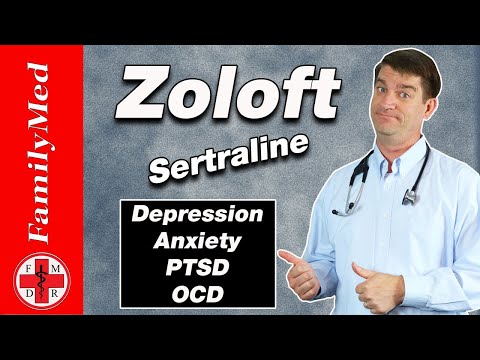
So, you’re thinking about sertraline, huh? That’s a big deal. It’s one of those medications that can help people feel a bit more like themselves again. But, hey, before you jump in, it’s good to know what you’re getting into.
I mean, who wants to be blindsided by side effects? You know what I’m saying? It’s always better to be prepared. Sometimes it can feel like a rollercoaster ride—ups and downs and all that jazz.
And then there are the mental health considerations. It’s not just about popping a pill and hoping for the best. There’s more to it than that. This stuff matters!
Let’s break it down together. You’ve got questions; I’ve got answers!
Exploring the Link: Can Sertraline Contribute to Mental Health Issues?
So, let’s talk about this topic. You might have heard of sertraline, a medication that falls into the category of selective serotonin reuptake inhibitors (SSRIs). It’s often prescribed for conditions like depression and anxiety. But, like all medications, it can come with some baggage—side effects that may influence your mental health journey.
First off, sertraline is usually pretty effective for many people. It helps raise serotonin levels in your brain, which can make you feel better emotionally. However, it doesn’t work the same for everyone. Some folks have reported feeling worse while taking it, at least initially. You know how sometimes you try a new food and it just doesn’t sit right? That can happen with meds too.
Now, regarding side effects, here are a few to keep in mind:
- Increased Anxiety: Oddly enough, starting sertraline can spike anxiety for some people. This might sound counterintuitive since it’s meant to help, right? It’s a phase that often passes.
- Sleep Issues: Some individuals experience insomnia or vivid dreams—both can be unsettling and increase stress levels.
- Dizziness or Fatigue: Feeling lightheaded or tired could affect your daily activities and contribute to feelings of hopelessness.
- Emotional Blunting: A number of users report feeling less emotional overall—like they’re on autopilot—which can be unsettling if you’re used to feeling deeply.
It’s important to talk openly with your doctor about how you feel when starting sertraline or adjusting doses. Sometimes the side effects will diminish as your body gets used to the meds—other times they might stick around longer than you’d hope.
Let me tell ya about my friend Sarah. She was battling severe anxiety and got prescribed sertraline at 25mg. Initially, she felt like she was on a rollercoaster; her heart raced some days but other days she felt completely numb. It took a solid month before her doctor adjusted her dosage. Eventually she found stability but those first few weeks were rough!
Another thing to consider is when you stop taking sertraline suddenly—it can lead to what they call “withdrawal symptoms.» Yeah, that’s another layer of complexity in this whole issue! People might feel even more anxious or depressed if they quit abruptly instead of tapering off slowly.
Remember too that pre-existing mental health conditions may also play a role in how well sertraline works for you—or against you! If you’re bipolar or have issues with addiction, this medicine could complicate things rather than help them.
Ultimately, looking into whether sertraline contributes negatively or positively really depends on the individual experience. Mental health is such a personal journey! Trusting your intuition while keeping an open line of communication with your doctor is key here.
So seriously, stay aware of how you’re feeling inside while on any medication—sertraline included! And don’t hesitate to reach out for help if something seems off; you deserve support through this process.
Essential Insights on Sertraline: What You Need to Know Before Starting Treatment
If you’re thinking about starting treatment with sertraline, there’s a lot to unpack. This medication is often prescribed to help with conditions like depression, anxiety, and OCD. But before you jump in, it’s good to know some essential stuff.
What is Sertraline? It’s an antidepressant that falls under the category of SSRIs, which stands for selective serotonin reuptake inhibitors. Basically, it helps boost serotonin levels in the brain. Serotonin is that feel-good chemical that can really lift your mood.
Now, let’s talk about starting dose. The usual starting point for adults can be around 50mg per day. However, your doc may suggest starting at 25mg—especially if you’re more sensitive to medications or worried about side effects. Just remember: everyone’s body reacts differently.
Speaking of reactions, here are some common side effects you might encounter:
- Nausea
- Diarrhea
- Drowsiness or fatigue
- Insomnia
- Dry mouth
- Sexual dysfunction
- Anxiety or agitation
For most people, these side effects often wear off after a few weeks as your body adjusts. Some folks find the drowsiness tough at first—kinda like when you’re waking up from a deep nap and everything feels a bit hazy. It’s totally normal to feel off for a little while.
But here’s where things get serious: Mental health considerations are super important. If you’ve got bipolar disorder or a history of mania, sertraline might not be the best fit for you. It can sometimes trigger manic episodes in people who are prone to them.
And then there’s suicide risk—it’s something that pops up for younger folks (under 25) when starting antidepressants. You may notice increased feelings of agitation or mood changes initially; keep an eye on how you’re feeling and check in regularly with your doctor.
Also worth mentioning: if you’ve used any other medications recently—especially other antidepressants—you should definitely tell your doctor before starting sertraline. Mixing meds can lead to some tricky interactions!
You might be sitting there wondering how long it’ll take before sertraline starts working its magic. Well, usually it takes a couple of weeks—maybe even four or six—to really notice improvement in mood and anxiety levels.
Lastly, dosing adjustments are common. If you don’t feel much change after hitting the expected dosage for a while (say several weeks), don’t hesitate to reach out to your healthcare provider. Sometimes they raise the dose gradually until they find what works best without those pesky side effects getting too bad.
So yeah, being informed is crucial! If you’re considering sertraline or any other mental health treatment, chat openly with your healthcare provider about all these factors—and trust yourself too! After all, this journey is about finding what fits *you* best.
Navigating the First Week of Sertraline: Common Side Effects to Expect
So, you’ve just started taking sertraline, huh? That’s a big step, and I totally get that it might feel a little overwhelming at first. You know, sertraline is a common medication used to treat things like depression and anxiety. But like with anything new, especially when it comes to meds, the first week can throw some unexpected curveballs your way.
First off, let’s talk about common side effects. Some folks might notice these shortly after starting sertraline. Here are a few you might experience:
- Nausea: This is super common. Your stomach might feel a bit off for a few days.
- Fatigue: You could feel more tired than usual. Seriously, just wanting to nap might be on the menu.
- Insomnia: On the flip side of fatigue, some people find it hard to get to sleep. It’s like your body can’t figure out what it wants.
- Dizziness: Feeling lightheaded or woozy? Yeah, that can happen too.
- Dry mouth: This one isn’t fun—your mouth feeling like the Sahara can be annoying.
- Increased sweating: You might notice yourself sweating more than normal. Like “why am I suddenly sweating in winter?” kind of thing.
These side effects don’t happen to everyone. They’re just pretty common things you might run into during this adjustment period.
Now let’s chat about how to deal with them. For nausea, try eating small meals instead of big ones—seriously! And if that fatigue kicks in hard, maybe plan for downtime during your day if you can manage it. It’s okay to take things slow while your body gets used to the medication.
But here’s something important: don’t stop taking your medication without consulting your doctor! If side effects become too much or last more than a week or two, reach out to your healthcare provider. They’re there to help you sort through all of this.
You know what else? It can sometimes take a bit for sertraline to really kick in and show its full benefits—like weeks sometimes! So hang tight; if the side effects are rough but manageable now, give it some time.
And here’s another thing: everyone’s experience is different! A friend of mine shared how she had crazy vivid dreams when she first started taking sertraline. It was like her brain was throwing an all-night movie marathon without her permission! But eventually, those dreams settled down as her body adjusted.
Your mental health journey is unique to you. It’s okay if things feel different than other people’s stories you’ve heard—or even what I’m saying now! Just trust that you’re doing what’s best for yourself by talking with your provider and giving this time.
Remember, though we like having support from friends and family during times like this—and it really helps—it also doesn’t hurt to check in with someone who knows their stuff about medications and their effects on mental health.
So hang in there; you got this! If any concerns pop up beyond these initial days or weeks though—it never hurts to ask questions and keep communicating with your doc about how you’re feeling.
So, you know how sometimes it feels like life is just this huge whirlwind of emotions? Maybe you’re dealing with anxiety or feeling stuck in a rut. Well, that’s where medications like sertraline come into play. It’s an antidepressant that many people use to help manage things like depression and anxiety disorders. But let me tell you, it’s not all sunshine and rainbows; there are side effects to consider.
Let’s say you start taking sertraline, maybe at a low dose of 25mg. At first, you might feel a little bit different—like your mind is less foggy. But then there are those pesky side effects that can pop up outta nowhere. Some folks report feeling a bit nauseous or having trouble sleeping at night. And don’t even get me started on the weird dreams! Seriously, I once had a dream I was in an endless line for coffee—wild, right?
And then there’s the emotional rollercoaster involved with mental health meds. You could feel better one day but down the next, which can mess with your head if you’re not expecting it. Like imagine being excited about getting help but then realizing those side effects are making things harder for you rather than easier. It’s enough to make someone feel frustrated or even hopeless.
But here’s the thing: understanding that everyone reacts differently is super important. For some people, the benefits of sertraline far outweigh any annoying side effects they might experience. And for others, it might not be the right fit at all!
Talking to your doctor about what you’re feeling can really help shed some light on whether this medication is doing its job or if it’s time to explore other options. It’s all about finding what works best for you—because mental health isn’t one-size-fits-all.
So yeah, if you’re considering sertraline or any other medication, just keep an open dialogue going with your healthcare provider. Your feelings matter in this journey toward better mental health—it’s not just about managing symptoms; it’s about feeling like yourself again!