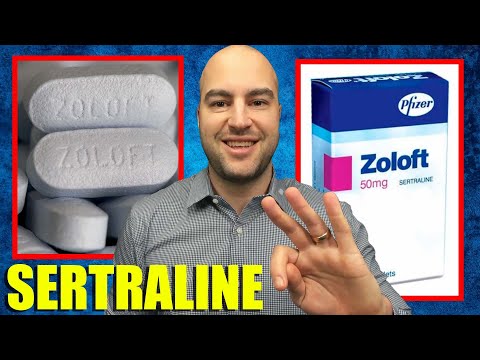
Hey there! So, let’s talk about that little blue pill you might’ve heard of—Sertraline 50 mg. Sounds a bit clinical, right? But stick with me.
This medication is pretty popular for folks battling anxiety and depression. Like, really popular. You know someone who’s taken it, or maybe you have yourself.
But here’s the thing: while it can help lift your mood, there are some side effects that can feel a bit tricky. It’s like a mixed bag; sometimes you get good days and then the not-so-great ones sneak up on you.
Ever wondered what those side effects could be? Let me break it down for you in a way that makes sense without all the jargon. Trust me; you’ll want to keep reading!
Exploring the Link: Can Sertraline Contribute to Mental Health Issues?
Sertraline is a medication, often prescribed for depression and anxiety. It’s part of a class of drugs called selective serotonin reuptake inhibitors (SSRIs). Basically, it helps increase serotonin levels in your brain. You know, that feel-good chemical? But, like any medication, it comes with its own set of pros and cons.
So, can sertraline actually contribute to mental health issues? Well, let’s break it down a bit.
Common Side Effects: While many people tolerate sertraline well, some might experience side effects like:
Now, emotional blunting is an interesting one. Imagine feeling less connected to your feelings or those of others. It’s like watching a movie but with the sound turned down—it can be unsettling.
Withdrawal Symptoms: Some folks find that tapering off sertraline can lead to withdrawal symptoms. You might notice:
When you stop taking it suddenly without guidance from your doc, it can feel like you’re on a rollercoaster of emotions. This is something to be seriously wary about.
Anxiety and Agitation: For some people, sertraline might initially worsen anxiety or agitation before things get better. Picture this: you’ve been feeling anxious and decide to try sertraline. At first, things might seem more intense for a while—the irony is real!
Risk of Suicidal Thoughts: In younger individuals especially—well under 25—there’s an increased risk for suicidal thoughts when starting on medications like sertraline. It’s key to monitor mood changes closely during this time.
Consider Jenna’s story: She started on sertraline to manage her anxiety but found herself feeling even more anxious during the first few weeks. Her friends noticed she was quieter than usual—something was off. With her therapist’s help and proper monitoring by her doctor, they adjusted her dosage until they found the sweet spot where she began to feel more like herself again.
Exploring the Link Between Sertraline and Acne: What You Need to Know
So, let’s talk about this interesting link between sertraline and acne. Sertraline, the blue pill you’re probably familiar with, is an antidepressant in the SSRI class. It’s mainly used for managing depression and anxiety disorders. But what about those pesky breakouts?
First off, you should know that while sertraline can be a game changer for your mood, it might come with some side effects. Acne isn’t the most common one, but it can happen. Here’s what you need to know:
Chemistry at Play: SSRIs like sertraline affect serotonin levels in your brain, which can sometimes influence hormonal balances in your body. When hormones get out of whack, hello acne! It’s like a ripple effect from mood management to skin trouble.
Side Effects: Besides acne, you might experience other skin-related side effects while taking this med. Some folks report things like dry skin or rashes. It’s not just a mental health medication; it’s a full-body experience!
Research Insights: There’s limited research specifically connecting sertraline to acne breakouts. Most studies zero in on the typical side effects of SSRIs. However, there are anecdotal reports from users that support this link.
Many people say their skin got worse after starting sertraline but improved once they stopped or switched medications. So if you notice breakouts right after beginning treatment, it might be worth discussing with your doctor.
Treatment Options: If you find yourself battling both mental health issues and unwanted breakouts, don’t freak out! Talk to your healthcare provider about managing both conditions simultaneously. Maybe they’ll suggest topical treatments or even an alternate medication if the acne really bothers you.
Individual Variability: Remember that everyone reacts differently to medications. Some people take sertraline without any skin issues at all! So just because someone else had a problem doesn’t mean you will too.
In summary, while there isn’t a definitive answer about sertraline causing acne for everyone who takes it, there’s enough chatter to keep it on the radar. If you’re experiencing unexpected skin problems while on this med—or any—it’s best to have an open conversation with your doctor about how you’re feeling overall and what else is going on with your body.
Taking care of your mind and body is crucial! Your mental health matters just as much as your skin health does—so make sure they’re both getting the attention they need!
Understanding the Connection Between Sertraline and Breast Pain: What You Need to Know
Sure thing! Let’s chat about sertraline and its potential side effects, especially when it comes to breast pain. So, sertraline is an antidepressant that belongs to a group called SSRIs, or selective serotonin reuptake inhibitors. Basically, it helps manage depression and anxiety by altering the levels of serotonin in the brain.
Now, breast pain is not one of the most common side effects you’d associate with sertraline, but some folks do report it. It’s important to keep in mind that everyone reacts to medication differently. So you might feel symptoms that someone else doesn’t.
What happens is that medications like sertraline can affect hormone levels in your body. And hormones are big players when it comes to breast sensitivity and pain. If you’ve ever noticed your breasts feeling tender around your period, you know how hormones can stir things up. In some cases, sertraline could mimic this hormonal fluctuation, leading to discomfort.
Here are a few points to consider:
- Hormonal changes: Sertraline may influence estrogen and progesterone levels.
- Individual variability: Some people have more sensitive breasts; others don’t feel anything at all.
- Dosage matters: The 50 mg blue pill isn’t too low or too high but watch for changes if you adjust the dose.
It’s kind of like when I started taking meds for anxiety; I was surprised at how my body reacted differently than my friend who was on the same thing. For me, every little change felt magnified.
So what should you do if you’re experiencing breast pain? First off, don’t freak out! It’s always best to bring this up with your doctor. They might want to adjust your dosage or even suggest switching medications altogether. Your comfort should always come first.
In some cases, the discomfort could just be temporary as your body adjusts to the medication—like getting used to wearing a new pair of shoes. Give it some time but keep communication open with your healthcare provider.
Lastly, if you notice any other strange side effects or if things just don’t feel right overall after starting sertraline—like extreme mood swings or physical issues—definitely reach out to someone who can help guide you through it.
In short: while breast pain isn’t a well-known side effect of sertraline, it can happen due to hormonal changes and sensitivity varies from person to person. Always talk with your doctor when something feels off!
You know, sertraline’s one of those things that comes up a lot in conversations about mental health. It’s that little blue pill, right? Labeled as an antidepressant, it’s often prescribed to help with conditions like depression and anxiety. But like many meds, there’s more to the story than just “take it and feel better.”
So, picture this: a friend of mine was going through a tough time. You could see the weight on his shoulders. After some back and forth with his doc, he ended up on sertraline. At first, it seemed like a miracle; his mood lifted, and he started engaging more. But then came the side effects—a couple of months in, he was feeling pretty out of sorts.
That’s the thing about medications like sertraline—it can be a bit of a mixed bag. Some people sail through without issues while others dive into uncharted waters filled with side effects like nausea or insomnia. It’s not exactly uncommon for folks to report feeling kind of numb or emotionally flat too. That can be super frustrating when you’re hoping for relief but end up feeling indifferent instead.
And let’s talk about withdrawal—another thing that nobody seems to mention upfront. My friend tried to stop taking it cold turkey after feeling better for a while. Big mistake! He started experience mood swings and intense anxiety again, which made everything way worse.
But here’s where it gets tricky: everyone’s body reacts differently to these medications. Some people might find their perfect match in sertraline; others might struggle more than they gain benefits from it. And that’s totally okay! The real key is staying in touch with your healthcare provider and being open about what you’re experiencing.
So yeah, if you’re on sertraline or considering it, just know it’s not some magical fix-all pill—it might help but can also come with its own set of hiccups along the way. Keep chatting with folks who get it—friends, family, your therapist—because navigating this stuff together makes a world of difference!