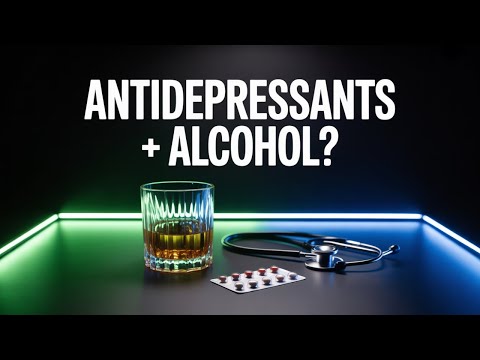
Hey there! So, let’s talk about something a bit heavy but super important—sertraline and alcohol. You know, mixing meds and drinks is a topic that can trip people up.
I mean, it’s like having that awkward moment when you realize you’re not supposed to wear white after Labor Day. Seriously, though, it can be confusing. You want to feel better with your mental health and still unwind once in a while, right?
But what actually happens when these two worlds collide? That’s the big question.
You might have heard some wild stories or read mixed messages online. And honestly, it can be overwhelming. I get it! So let’s break it down together in a way that makes sense without all the medical jargon. Sound good?
Understanding the Effects of Mixing Alcohol with Sertraline: What You Need to Know
When you’re taking sertraline, drinking alcohol can be a pretty tricky mix. You’ve got to be careful because both can affect your brain and mood in ways you might not expect. Seriously, it’s not just a simple cocktail choice; there are some important things to consider.
Sertraline is an antidepressant, belonging to a class of medications called SSRIs (selective serotonin reuptake inhibitors). It’s often prescribed for conditions like depression and anxiety. What it does is increase the levels of serotonin in your brain, which helps improve your mood.
Now, alcohol is a depressant. You might think it’ll help you unwind or feel better for a bit, but, in reality, it can mess up your emotional state and make those feelings worse over time. So combining these two? Not great.
Let’s break it down:
- Increased Side Effects: Mixing sertraline with alcohol can amplify side effects like dizziness, drowsiness, and difficulty concentrating. Imagine trying to focus on something important but feeling like your head’s in a fog.
- Worsening Depression & Anxiety: While you may feel relaxed initially after a drink or two, alcohol can lead to increased feelings of sadness or anxiety later on. That hangover ain’t just about the booze—it can hit hard emotionally too.
- Impaired Judgment: Alcohol affects your judgment and decision-making skills. This could lead to risky behavior that you wouldn’t normally consider when sober.
- Potential for Serotonin Syndrome: In rare cases, mixing sertraline with large amounts of alcohol could increase the risk of serotonin syndrome—a serious condition caused by too much serotonin in the brain.
So let’s say you’re at a party and decide to have just one drink. At first, it feels nice—maybe you’re laughing more or feeling social. But as the night goes on and you have another drink… maybe even more… what happens? Suddenly those light feelings could turn into sadness or anxiety that stick around long after the fun ends.
It’s also important to know that everyone reacts differently to medications and alcohol based on their body chemistry. So while one person might feel okay having a drink now and then while on sertraline, another person might face pretty rough consequences.
If you’re prescribed sertraline and find yourself wanting to drink often, try talking about it with your doctor or therapist. They get how complicated all this stuff can be.
The bottom line? Mixing sertraline with alcohol isn’t just harmless fun—it comes with real risks that could mess with your mental health journey. You owe it to yourself to stay informed and careful about what goes into your body!
Exploring the Role of Sertraline in Alcoholism Treatment: Can It Help?
So, let’s chat about sertraline and its connection to treating alcoholism. You might have heard of sertraline; it’s an antidepressant from the selective serotonin reuptake inhibitors (SSRIs) family. Basically, it helps balance chemicals in the brain, particularly serotonin, which plays a role in mood regulation.
Now, alcoholism is often tied into mental health issues like depression and anxiety. People who struggle with alcohol might be using it to cope with tough feelings or stress. Here’s where sertraline comes into play: researchers have been looking into whether it can help reduce alcohol cravings or binge drinking.
Here are some key points about the role of sertraline in treating alcoholism:
- Cravings: Some studies suggest that sertraline can lower the urges to drink. This is huge because cravings can lead back to drinking when someone is trying to stay sober.
- Mood improvement: Since alcohol use often overlaps with feelings of sadness or anxiety, taking sertraline might improve your overall mood and emotional health. Feeling better emotionally can help reduce reliance on alcohol as a coping mechanism.
- Anxiety reduction: For those who drink to manage social anxiety or stress, sertraline could bring some relief from those feelings, making it easier to face life without a drink in hand.
But let’s be real for a second—it’s not a magic pill. While it may help some folks, it’s essential to combine medication like sertraline with therapy and support groups for the best chance at recovery. A friend of mine struggled with both depression and alcoholism for years. When he started taking sertraline along with attending counseling sessions, something shifted for him. He reported feeling less overwhelmed by urges and was able to find healthier ways to cope.
Even so, everyone’s experience varies—what helps one person might not work for another. Plus, using SSRIs while also drinking can sometimes lead to mixed results or even complicate things further. So if you or someone you know is considering this route, having an open chat with a healthcare provider about the risks and benefits is critical.
The bottom line? Sertraline has potential in supporting people overcoming alcohol issues—especially when paired with other treatments—but it’s not a standalone solution. It all comes down to finding what works best for you on your journey toward health and healing.
Exploring the Benefits of Sertraline for Improving Mental Health: What You Need to Know
Sertraline, which you might know by its brand name Zoloft, is a commonly prescribed medication for mental health conditions like depression and anxiety. Ever feel like you’re in a fog, struggling to cope with day-to-day stuff? Well, sertraline can help clear that fog for some folks. It works by balancing chemicals in the brain, primarily serotonin. This little tweak can lead to significant improvements in mood and emotional stability.
But here’s the thing: if you’re considering sertraline—or if you’re already on it—it’s crucial to think about your alcohol use. Alcohol is a depressant and can mess with how well the medication works. So, if you’re sipping drinks while taking sertraline, you might not be getting the full benefit of the treatment.
Here are some key points to consider:
- Mood Boost: Many people report feeling more balanced and less anxious after starting sertraline. It’s like finding that sweet spot where life feels manageable again.
- Side Effects: Common side effects can include nausea, dizziness, or trouble sleeping. They may sound a bit annoying but often fade with time as your body adjusts.
- Alcohol Interaction: Mixing sertraline and alcohol can lead to increased drowsiness or heightened anxiety. Unpleasant combo, right?
- Tolerance Levels: Everyone reacts differently to medications. What works wonders for one person could be less effective for another.
- Consult Your Doc: If you’re unsure about how alcohol might affect your treatment plan or feel tempted to drink while on sertraline, reach out to your healthcare provider first.
Let’s paint a picture here! Imagine Sarah—a vibrant person who loves hanging out with friends over drinks—but then she starts feeling low and anxious all the time. Her doctor prescribes sertraline, and guess what? After a few weeks of consistent use, she notices she’s not just coping but actually enjoying life again! But when she hits the bar with her friends and has a couple of cocktails? That weight of sadness creeps back in—and it’s frustrating because she knows she was doing so much better.
So basically, if you’re looking into sertraline for improving your mental health but also enjoy a drink now and again—or even more frequently—take heed! Monitor that relationship between what you drink and how you feel on medication. You don’t want anything diluting those positive effects or leading you down an unintended path.
Taking care of your mental health is no small feat; staying informed is half the battle!
So, let’s talk about sertraline and alcohol. You know, it’s a bit of a tricky situation. Many people take sertraline for anxiety or depression, and sure, it can be really helpful. I’ve heard stories from friends who felt like they could finally breathe again after starting it. But then there’s that looming question: what about alcohol?
I remember chatting with my buddy Sam. He had been on sertraline for a few months and was starting to feel better, but he still loved going out with friends every weekend. It was fun to unwind with a drink or two after the week, you know? But he had heard some mixed messages about mixing the two.
It’s like, on one hand, many doctors say having an occasional drink isn’t usually a problem when you’re on meds like sertraline. But the thing is, alcohol can mess with your mood and make anxiety worse sometimes—like throwing a wrench into all that hard work you’ve done in therapy or through medication.
Here’s where it gets messy: drinking can amplify side effects of sertraline too. You might feel more tired or dizzy, which isn’t any fun if you’re already dealing with those feelings in other ways. And if you’re using alcohol to cope (which is easy to do), you could find yourself in this loop where you’re just not feeling great at all.
But back to Sam; he started paying attention to how he felt after having a couple of drinks—like seriously checking in with himself. Did he feel more anxious or just blah afterward? That self-awareness is key! It’s not always easy to keep track of your emotional state when you’re switching things up.
At the end of the day, it’s really about finding that balance between socializing and taking care of yourself. Lots of folks have navigated this before and come out the other side okay, but checking in with a doctor or therapist can really help clear up any confusion too—it’s like having someone in your corner who knows what’s going on.
So yeah, if you’re grappling with this situation yourself or know someone who might be confused about mixing sertraline and booze, remember that it’s okay to ask questions and take your time figuring things out!