Hey, you know Sertraline, right? It’s one of those medications people talk about when they mention depression or anxiety.
So, what’s the deal with it? How does this little pill really mess with your brain function and emotional well-being?
Honestly, it’s kind of wild. It’s like having a backstage pass to see how your head works when everything feels off.
I remember when a friend of mine started taking it. At first, she was nervous about the side effects and all that jazz. But then, wow! The change was pretty noticeable.
Let’s dig into what Sertraline does in your noggin and how it might help—or not—in the mental health game. Sound good?
Overcoming Zoloft Brain Fog: Tips for Clarity and Recovery
Zoloft, or sertraline, is commonly prescribed for depression, anxiety, and other mental health conditions. But many people notice something odd while they’re on it—like a foggy feeling in their brain. That’s often called «Zoloft brain fog.» It can be frustrating, right? You might feel less focused or find it hard to think clearly. So, what’s going on there?
When you take Zoloft, it affects neurotransmitters in your brain, particularly serotonin. Serotonin is like a mood booster that helps regulate emotions. But the thing is, not everyone reacts the same way. Some folks might find clarity in their thoughts after starting Zoloft; others may experience that sluggishness or confusion.
So how do you tackle this brain fog? Here are some ideas:
- Stay hydrated. Drinking enough water is super important for brain function. Dehydration can add to the fog. Seriously, just a simple glass of water can help clear things up.
- Eat well. A balanced diet rich in fruits, veggies, and whole grains can make a big difference. Foods high in Omega-3s—like fish—are great for brain health.
- Get moving. Exercise can boost your mood and improve cognitive function. Even a brisk walk can wake up your mind!
- Sleep matters. A good night’s sleep is essential for clarity. Try to keep a regular sleep schedule and create a comfy sleep environment.
- Pace yourself. If you’re feeling overwhelmed with tasks or responsibilities, it’s okay to slow down. Break things into smaller chunks; you don’t need to tackle everything at once!
- Mindfulness techniques. Things like meditation or deep-breathing exercises can help quiet your mind and bring back that focus you’re missing.
And let’s not forget: talking about how you feel with your doctor or therapist is super crucial too! They might have additional strategies tailored just for you.
One time I heard from someone who was really struggling with this brain fog after starting Zoloft. They described days where they felt like they were wading through molasses just trying to think straight! After some trial and error with lifestyle changes and an open chat with their therapist about side effects, they finally found their footing again.
Remember that everyone’s journey is different when adjusting to medication like Zoloft. If the brain fog doesn’t lift after making these adjustments or if it’s bothering you way too much, definitely reach out to your healthcare provider for advice.
In short, tackling Zoloft brain fog takes patience and small tweaks in your life routine. Keep experimenting until you find what works best for you!
Understanding Sertraline: How It Affects Brain Chemistry and Mental Health
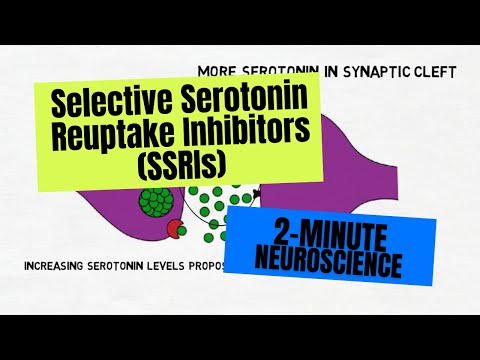
Sertraline. You might’ve heard of it, especially if you or someone you know is dealing with anxiety or depression. It’s one of those medications called an SSRI, which stands for selective serotonin reuptake inhibitor. Basically, it’s designed to help boost serotonin levels in your brain.
So, what’s the deal with serotonin? Well, think of it as a feel-good chemical that helps regulate mood, emotions, and even some physical functions like sleep and appetite. When your brain has enough serotonin, you generally feel more balanced and less anxious. But when those levels dip? You might start feeling low and overwhelmed.
Here’s how sertraline jumps in to help:
- Inhibition of Reuptake: Sertraline blocks the reabsorption of serotonin in the brain. This means more serotonin sticks around to do its job.
- Neurotransmitter Balance: By keeping serotonin available longer, it can help improve communication between neurons—those little messengers in your brain.
- Gradual Effects: It’s not like flipping a switch; changes usually take a few weeks to really kick in. So don’t be surprised if you don’t feel different right away.
Let me share something that might hit home. Imagine Sarah—a friend who used to be super bubbly but started feeling down after losing her job. She felt stuck, couldn’t find joy in her usual activities, and even had trouble sleeping. After chatting with her doctor about what was happening, she started taking sertraline.
At first, she was skeptical—it didn’t seem like a magic pill. But after a few weeks? Her energy began creeping back up! It wasn’t just about the medication; it also came from therapy and support from friends too.
Now, here’s where it can get tricky: while many people benefit from sertraline, others might face side effects like nausea or changes in sleep patterns. It really varies by person! The key is working closely with healthcare providers to find what works best for you without feeling overwhelmed by side effects.
And speaking of side effects—sertraline isn’t typically meant for everyone. Like if you have certain medical conditions or are on other medications… well then things could become complicated pretty quickly! That’s why having an open conversation with your healthcare provider makes all the difference.
To sum up: sertraline can help rebalance those critical neurotransmitters if you’re dealing with anxiety or depression issues. But remember—you’re not just getting medication; it’s also about finding a *whole* approach that includes therapy and support systems around you.
So yeah—understanding what sertraline does is important so that you can make informed choices along this journey towards mental wellness!
Understanding the Connection Between Sertraline and Psychosis: What You Need to Know
Psychotropic medications can feel like a maze, especially when you’re trying to wrap your head around how they work. Take *sertraline*, for instance. It’s a medication often used to treat anxiety and depression, but it has some complex effects, and it’s important to know how it might connect to more serious conditions like psychosis.
What is Sertraline?
So, sertraline is part of a group of drugs called selective serotonin reuptake inhibitors (SSRIs). Basically, what they do is boost the level of serotonin in your brain, which can help improve mood. You might think of serotonin as your brain’s «feel-good» chemical. The more you have, the better you usually feel!
How Does It Work?
When you take sertraline, it inhibits the reabsorption of serotonin in your brain. This means there’s more serotonin hanging around to help signal between neurons. Sure, this sounds good because it helps with mood disorders, but there are also some side effects that can come about.
The Connection to Psychosis
Now, let’s get into why we’re talking about sertraline and psychosis together. In rare cases, people taking SSRIs like sertraline have reported symptoms that are a bit out there—hallucinations or delusions, for example. These aren’t super common but do happen enough to be noted.
Generally speaking, the theory is that altering serotonin levels can sometimes trigger underlining mental health issues or exacerbate them if they’re already present. If you’ve ever seen someone who has suddenly snapped under stress or had their reality shift dramatically due to medication changes? That kind of stuff can happen.
Who Might Be Affected?
If you’ve had a history of mental illness—especially things like bipolar disorder or schizophrenia—you may be at a higher risk for experiencing these side effects while on sertraline. The thing is not everyone will react this way; it’s really individual.
That reminds me of a friend who was prescribed sertraline after struggling with anxiety. She did fine initially but later started experiencing weird thoughts—totally unlike her! After chatting with her doctor, they decided it was best to switch her meds.
What Should You Do?
If you’re on sertraline and notice any unusual changes in your thoughts or behavior—like feeling paranoid or having strange beliefs—it’s super important to reach out to your healthcare provider pronto! They’re the ones who can help adjust your treatment safely.
And if you’re considering starting sertraline? Ask lots of questions about what side effects could happen and whether you should be keeping an eye out for anything specific.
In short? Sertraline can be effective for many people dealing with mood disorders by helping balance brain chemicals—but keep in mind the whole picture and always stay in touch with medical professionals during treatment.
Remember: knowledge is power when managing health!
Sertraline, huh? It’s one of those medications people talk about when they’re dealing with anxiety or depression. So, what’s the deal with this little pill? Well, it’s a selective serotonin reuptake inhibitor (SSRI), which is just a fancy way of saying it helps keep serotonin in your brain longer. You know serotonin, right? That «feel-good» chemical that can seriously affect how you feel and think. It’s like keeping more ice cream in your bowl instead of letting it melt away.
I remember my friend Jenna. She was really struggling with anxiety that would hit her outta nowhere—like she was suddenly in a crowded room while everyone was staring at her. After talking to her doctor, she got prescribed sertraline. At first, she was hesitant. She feared becoming like a zombie or something. But after a few weeks, she started feeling a little more «herself» again; the shadows in her mind lifted slightly.
Now, you might be wondering what exactly happens in the brain when you take sertraline. Basically, this medication blocks the reabsorption of serotonin in neurons. Think of it like giving serotonin some extra time to party in your system before it gets scooped back up and gone! This can really make a difference for those who feel stuck in an emotional rut.
But let’s not sugarcoat things—medications aren’t magic pills that fix everything overnight. Some people might experience side effects or feel that the med isn’t quite right for them—Jenna had some weird dreams at first! It’s totally normal to go through some trial and error until finding what works best for you.
The thing is, sertraline can be part of a bigger picture when addressing mental health issues. Besides just popping pills, therapy plays a huge role too. Combining both can help reshape thoughts and behaviors along with balancing those brain chemicals.
So if you’re considering treatment options or you’re curious about how meds like sertraline work on your mind, just know that everyone’s journey will look different—and there are folks out there who get it! You’re definitely not alone in this maze we call mental health.