Hey there! So, let’s chat about something that affects a lot of folks—Generalized Anxiety Disorder, or GAD for short. You know that feeling when your mind just won’t shut up? It’s like a never-ending loop of worries.
That’s where sertraline comes in. It’s a medication that helps many people take the edge off those anxious thoughts. Like, imagine walking around with a backpack full of bricks and then someone helps you lighten the load. Sweet relief, right?
In this article, we’ll break down how sertraline works and why it might be beneficial for someone dealing with GAD. You may find it super useful or know someone who could really benefit from learning more about it. Let’s get into it!
Understanding Sertraline Side Effects: What You Need to Know for Better Mental Health
So, you’re curious about sertraline and its side effects, especially when it comes to managing generalized anxiety disorder (GAD). That makes total sense. Getting a handle on this stuff is super important for your mental health journey.
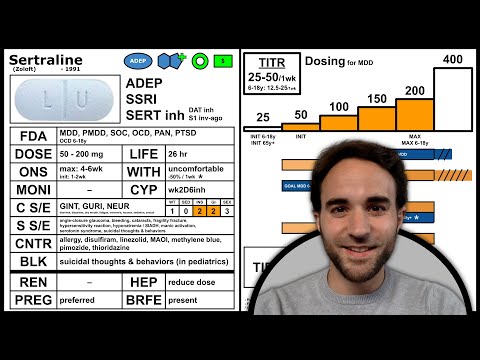
Sertraline is actually an antidepressant that’s part of a group called selective serotonin reuptake inhibitors (SSRIs). It’s typically prescribed for GAD, depression, PTSD, and a bunch of other conditions. The idea is that it helps boost levels of serotonin in your brain—the chemical that plays a big role in mood regulation.
Now, let’s talk about some common side effects. While taking sertraline can help with anxiety symptoms, it can also bring along some not-so-fun companions:
- Nausea: Feeling queasy is pretty common when you first start taking it. It might hit you right away or even after some time on the med.
- Fatigue: Some people report feeling unusually tired or sleepy. This could be frustrating if you’ve got things to do.
- Dry mouth: Yep, your mouth might feel like the Sahara desert! It’s annoying but usually manageable.
- Changes in appetite: Some folks end up snacking more or less than usual. It varies from person to person.
- Sweating: This one can catch you off guard—like suddenly needing a towel in the middle of winter!
- Insomnia or vivid dreams: You might find yourself having trouble sleeping or waking up from really intense dreams.
Let’s not forget about the potential for more serious side effects, even if they’re rarer:
- Serotonin syndrome: This is a biggie and happens when there’s an overload of serotonin. Symptoms include confusion, rapid heart rate, and fever. If something feels seriously off—call your doc!
- Withdrawal symptoms: Stopping sertraline suddenly? You might experience dizziness, mood swings, or flu-like symptoms. Always chat with your healthcare provider about how to taper off safely.
Now here’s something important to keep in mind: every person reacts differently to medications. What works wonders for one person may not work at all—or could even create issues—for another. You know? That’s why regular check-ins with your doctor are key! They can help monitor those side effects and adjust dosage if necessary.
But here’s a little ray of hope: many side effects tend to lessen over time as your body adjusts to the medication. Seriously! It’s like your brain takes a bit to get used to this new way of functioning.
And remember—if you’re feeling uncertain about anything you’re experiencing on sertraline (or any med), don’t hesitate to reach out for help. Your mental health should always take priority!
So yeah, understanding these side effects is all part of managing GAD effectively with sertraline. Knowledge helps you advocate for yourself in this journey toward better mental health!
Understanding Sertraline: How This Antidepressant Works to Improve Mental Health
So, let’s chat about sertraline. You’ve probably heard of it if you or someone you know has dealt with anxiety or depression. It’s one of the go-to medications for managing conditions like Generalized Anxiety Disorder (GAD).
Sertraline falls into the category of selective serotonin reuptake inhibitors, or SSRIs. Sounds fancy, right? But here’s the scoop: it basically helps boost serotonin levels in the brain. Serotonin is that feel-good chemical that can play a big role in your mood. When it’s low, well, things might feel pretty gloomy.
Imagine you’re in a crowded room and everyone’s talking at once. That’s kind of what happens with serotonin when it’s not doing its job properly—lots of noise but no clear message. By blocking the reabsorption of serotonin, sertraline makes sure there’s more available to do its thing and brighten up your mood. Pretty neat!
The thing is, sertraline doesn’t work overnight. It usually takes a few weeks to really kick in. So if you’re on it for GAD, you might be feeling a bit restless waiting for it to help with all that anxiety—like when you’re at the dentist and just want them to hurry up! But hang in there; patience is key here.
You might be wondering what exactly GAD feels like? Well, think about a time when you’ve felt overwhelmed by worries—like thinking about everything from work deadlines to family stuff all at once. When those thoughts spiral outta control—that’s GAD knocking on your door.
- Common symptoms: Constant worry, restlessness, fatigue.
- How sertraline helps: Cuts down those overwhelming feelings by balancing out that serotonin.
- Real-life example: Picture someone who used to avoid social gatherings because of crippling anxiety feeling more relaxed and actually enjoying hanging out with friends! That’s what we’re aiming for here.
Of course, starting sertraline—or any medication—shouldn’t be taken lightly. It’s important to have a chat with your doctor about whether it’s right for you because everyone reacts differently. Sometimes side effects like nausea or sleep disturbances can pop up as your body adjusts.
Once you’ve been on it awhile and start feeling better, don’t just decide to quit cold turkey! You gotta talk to your healthcare provider about how to taper off safely. Abruptly stopping could lead to withdrawal symptoms—definitely not fun!
In essence, sertraline works like giving your brain a little polishing cloth—it shines things up so feelings don’t feel so heavy all the time. And hey, if you’re dealing with GAD or similar issues, know that there are options out there—and talking about them is always a good step forward!
Understanding Sertraline Contraindications: What You Need to Know for Safe Use
Sertraline is a medication that’s often prescribed to help manage conditions like Generalized Anxiety Disorder (GAD). It’s part of a class called SSRIs, which stands for selective serotonin reuptake inhibitors. Basically, these drugs work by balancing serotonin levels in the brain, making it easier for people to feel calmer and more focused.
But hold on. It’s important to know that not everyone can take sertraline safely. There are some contraindications—situations that would make using this medication risky or harmful. You definitely want to be aware of these before jumping in.
- Allergies: If you’ve ever had an allergic reaction to sertraline or any other SSRIs, you should steer clear. Seriously, that can lead to some pretty unpleasant outcomes.
- Mao inhibitors: Taking sertraline while on MAOIs (another type of antidepressant) can be dangerous. This combo could unleash a storm of side effects, even life-threatening ones.
- Liver problems: If your liver isn’t functioning well—like if you have cirrhosis—you should talk to your doctor about alternatives. Your body may struggle with processing the medication.
- Seizure disorders: Anyone with a history of seizures should also be cautious with sertraline. It could potentially increase seizure risk.
- Pregnancy and breastfeeding: This one’s tricky. If you’re pregnant or nursing, it’s crucial to weigh the risks and benefits with your doctor because it may affect the baby.
Let me tell you something real quick: I once knew someone who was prescribed sertraline but didn’t mention their allergy history during their appointment. It turned out badly—they ended up in urgent care because they didn’t think allergies mattered that much! That just goes to show how vital it is to share all your health info with your provider.
It isn’t just about allergies either; there are interactions with other medications you might be taking. For example, combining sertraline with certain blood thinners can cause issues too—so always give your healthcare provider a complete rundown on everything you’re on.
And here’s where it gets interesting: even if none of those contraindications apply to you, side effects can still happen. You might experience nausea, dizziness, or changes in sleep patterns when starting out on sertraline.
Be sure you’re checking in regularly with your doctor about how things are going after starting the medication. Open communication is key! They might adjust dosages or suggest other options based on how you’re feeling.
In short, while sertraline can be a helpful tool in managing GAD for many people, it’s crucial to keep these contraindications and interactions in mind for safe use. Always prioritize talking things over with your healthcare team so you’re not navigating this journey alone!
So, let’s chat about sertraline for a sec. You know, that medication folks often think of when they’re dealing with generalized anxiety disorder, or GAD for short. Seriously, if you’ve ever felt like a tight ball of nerves wondering what’s next on your never-ending list of worries, you get why it’s important.
I remember a friend of mine who used to spiral every time she had to go to work. Just waking up was a full-on battle with her mind racing—what if she messed up? What if her boss was in a bad mood? She felt like she was carrying the weight of the world on her shoulders. That’s where sertraline came into play. It helped her chill out a bit and brought some clarity to those chaotic thoughts.
So here’s the deal: sertraline is what they call an SSRI—in fancy terms, that stands for selective serotonin reuptake inhibitor. Don’t worry; it just means that it helps boost serotonin levels in your brain. Think of serotonin as kind of a feel-good chemical; more of it can help reduce anxiety and lift your mood. But it doesn’t kick in overnight! You might need to give it some time, like several weeks sometimes, before really noticing the difference.
But hey, taking medication isn’t just about popping pills and feeling magically better. It’s part of a bigger picture. Therapy can be super helpful too—talking things through can really change how you view situations. For my friend, combining sertraline with therapy made all the difference; they worked together like peanut butter and jelly.
However, everyone’s different. Seriously! Some folks might find relief with other treatments or have side effects that just don’t vibe with them. It’s all about figuring out what works for you personally—with professional guidance along the way.
In the end, managing GAD is more than just finding one single solution—it often takes a mix of things like therapy, lifestyle changes (ever tried yoga?), and yes, sometimes meds like sertraline too! If you’re exploring options for managing anxiety or know someone who is… well, having open conversations about these things can be super powerful and reassuring. You’re not alone in this journey!