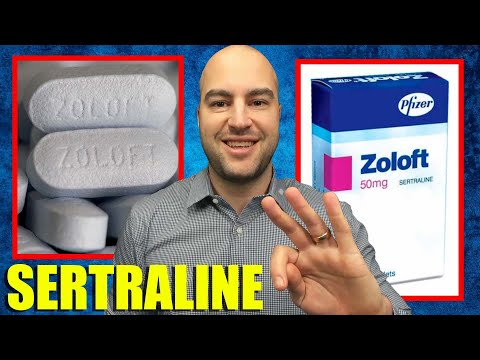
You know, mental health stuff can get super complicated. Seriously, a lot of people are just trying to navigate through their feelings and find some relief. It’s not easy, right?
One option that keeps popping up is this medication called sertraline. Ever heard of it? It’s a type of antidepressant that’s been getting a lot of attention for its impact on things like anxiety and depression.
But what’s the deal with it? How does it actually help people? And, like, who should really consider giving it a shot? Let’s break it down and chat about what sertraline is all about and how it’s usually used in mental health treatment.
Understanding Sertraline: Can This Antidepressant Double as a Mood Stabilizer?
Sertraline is a medication that falls into the category of selective serotonin reuptake inhibitors (SSRIs). It’s primarily used to treat depression, anxiety disorders, obsessive-compulsive disorder (OCD), and post-traumatic stress disorder (PTSD). But what about its effects on mood stabilization? Can it really double up in that role? Let’s break this down.
So, SSRIs like sertraline work by increasing the levels of serotonin in your brain. Serotonin is a key player when it comes to mood regulation. More serotonin often leads to improved mood and reduced anxiety. That’s why people with conditions like depression and anxiety typically find relief from taking sertraline.
Now, about that mood stabilization thing—sertraline isn’t typically classified as a mood stabilizer. Mood stabilizers are usually used for conditions like bipolar disorder to manage the extreme highs (mania) and lows (depression) in mood. Common examples include lithium and certain anticonvulsants.
That said, some people with bipolar disorder may still be prescribed sertraline. This happens often when they deal with depressive episodes rather than manic ones. It’s crucial for doctors to monitor these patients closely since SSRIs can sometimes trigger a manic episode if taken during a manic phase.
Let’s look at an example: Imagine you have a friend named Sam who battles major depressive episodes but also has moments of mania due to bipolar disorder. Sam might find some relief from the depression while taking sertraline, but their doctor would likely use it alongside other medications specifically meant for stabilizing mood.
So yeah, sertraline can help lift your spirits during the down times but doesn’t quite fit into the mood stabilizing role on its own. When it comes to managing extreme moods that swing high or low, it’s best combined with other treatments tailored to those needs.
It’s essential if you’re considering or currently taking sertraline to chat with your healthcare provider about whether it suits your specific situation or if something else might be more effective for you.
In summary, while sertraline plays a significant role in treating depression and anxiety—making it easier for many people to cope—it doesn’t fulfill all the functions of a true mood stabilizer. Understanding how different medications work will help you make informed choices about your mental health treatment journey!
Understanding Sertraline HCL: Its Role in Treating Bipolar Disorder
So, let’s chat about Sertraline HCL. It’s a medication that falls under the category of selective serotonin reuptake inhibitors (SSRIs). You might’ve heard of it before, especially if you or someone you know has dealt with issues like depression or anxiety. But what you might not know is how it fits into the picture when we’re talking about bipolar disorder.
Bipolar disorder is a mental health condition characterized by extreme mood swings. These can swing from the highs of mania to the lows of depression. Managing it can be tricky, and that’s where medications like Sertraline come in. The thing is, while Sertraline isn’t the go-to med for everyone with bipolar disorder, it can still play a role in some cases—especially during depressive episodes.
Now, here’s the deal: when treating bipolar disorder, doctors often recommend using mood stabilizers first. You know, things like lithium or valproate. They help balance out those ups and downs. But sometimes, people still struggle with lingering depressive symptoms even when they’re stabilized. That’s when adding something like Sertraline might come into play.
Let me share a quick story to put this all into perspective. Imagine Sarah—a bright young woman who loves painting and going on adventures but struggles with her mood swings. During her manic phases, she feels invincible but crashes hard afterward into deep sadness that lasts for weeks. After some trial and error with mood stabilizers, her doctor decided to prescribe Sertraline to help lift her mood during these tough times. For Sarah, taking Sertraline helped her feel more balanced and allowed her to enjoy life without being dragged down by despair.
It’s important to note that Sertraline HCL can help address specific symptoms but doesn’t eliminate the condition itself. It can improve things like:
- Depressive symptoms: Helps alleviate feelings of sadness or hopelessness.
- Anxiety: Reduces anxiety levels which often coexist with bipolar disorder.
- Sleeplessness: Can improve sleep patterns disrupted by mood changes.
But there are also some potential pitfalls to be aware of when it comes to using SSRIs within this context. Sometimes they can trigger manic episodes if used without proper management or as a solo solution without mood stabilizers in place—definitely not something you want! Doctors usually monitor closely for these reactions.
And then there’s the matter of side effects too—just like any other med out there! Some common ones include nausea, headaches, or weight gain. Over time though, many people find these effects manageable or temporary.
So really, understanding how Sertraline fits into treating bipolar disorder is about knowing its place in a larger treatment plan rather than being a standalone miracle fix. Your healthcare team will consider your complete situation before making decisions on treatment options.
Ultimately, if you’re in this situation—or know someone who is—it’s super crucial to have open conversations with your doctor about what’s going on and what feels right for your journey because everyone’s experience is just so different!
Exploring Alternative Uses of Sertraline: Beyond Depression and Anxiety
Sertraline, often sold under the brand name Zoloft, is primarily known for treating depression and anxiety disorders. But there’s more to it than that. Let’s dive into some of the other ways this medication can be used.
First off, **sertraline is prescribed for obsessive-compulsive disorder (OCD)**. OCD can really mess with your daily life, causing intrusive thoughts and repetitive behaviors. Sertraline helps decrease those obsessive thoughts and compulsive actions. It’s like taking a breath of fresh air after feeling suffocated by those nagging urges.
Another area where sertraline has shown promise is **post-traumatic stress disorder (PTSD)**. Folks who have experienced traumatic events often struggle with flashbacks, anxiety, and emotional numbness. When prescribed sertraline, many people find that their symptoms lessen, allowing them to regain control over their lives. Imagine being trapped in a movie you can’t pause or stop; sertraline can help you change the channel.
It also finds its way into treatment for **social anxiety disorder**. Feeling overwhelmed in social situations? You’re not alone. Sertraline can help ease that intense fear of judgment or awkwardness in public settings. Many people start to feel more comfortable in their own skin again—like finally getting a warm hug after standing outside in the cold.
Then there’s **premenstrual dysphoric disorder (PMDD)**. For those who experience severe mood swings and physical symptoms tied to their menstrual cycle, sertraline can offer relief. It’s like having a reliable umbrella during stormy weather; it helps you face each month without dread.
**Binge-eating disorder** is another condition where sertraline shows potential benefits. People struggling with uncontrollable eating episodes can find some stability when treated with sertraline, helping to reduce episodes and improve overall emotional well-being.
Finally, let’s talk about **chronic pain management**—yup, believe it or not! Some studies suggest that sertraline might help alleviate certain types of chronic pain conditions due to its effect on serotonin levels and mood regulation.
In short, while depression and anxiety are the headline acts for sertraline, there are several supporting roles it plays in mental health treatment too:
- Obsessive-Compulsive Disorder (OCD)
- Post-Traumatic Stress Disorder (PTSD)
- Social Anxiety Disorder
- Premenstrual Dysphoric Disorder (PMDD)
- Binge-Eating Disorder
- Chronic Pain Management
So yeah, while most folks know sertraline as an antidepressant or antianxiety med, it’s got skills that go way beyond just those roles! Always remember to chat with a healthcare provider before jumping into any new treatment path—you deserve to find what’s right for you!
Sertraline HCL, or just sertraline, is one of those medications that gets tossed around a lot in mental health conversations. You might have heard about it from friends, or maybe you’ve come across it in a chat with your doctor. It’s mainly used to treat depression, anxiety disorders, and even things like PTSD and OCD. Pretty widespread, huh?
But let me tell you about my friend Jess. She struggled with anxiety for years and really felt like it was holding her back from enjoying life. After trying out therapy and some lifestyle changes, she still wasn’t feeling quite right. One day during a session, her therapist suggested sertraline as a potential option to help ease her symptoms. At first, Jess was skeptical—she didn’t want to rely on medication. But after doing some digging and having an open conversation with her doctor, she decided to give it a shot.
A few weeks into taking sertraline, Jess started noticing some changes. The constant worry that used to flood her thoughts began to dissipate a bit. She could finally enjoy simple things again—like hanging out with friends without the nagging anxiety creeping in. That’s not to say everything was perfect; there were side effects she had to navigate through too—like some mild nausea and fatigue at first—but overall, she found that it helped lift the weight off her shoulders.
What’s cool about sertraline is how it works in the brain—it’s an SSRI (selective serotonin reuptake inhibitor). Basically, it helps increase levels of serotonin—a chemical that plays a huge role in mood regulation. More serotonin can mean more balanced emotions! Although every person reacts differently to meds; what works wonders for one might not be as effective for another.
The thing is, managing mental health is incredibly personal – combining therapy with medication can sometimes provide just the right mix to really work through those tough moments. Of course, there are ongoing discussions about medication versus non-medication approaches in mental health treatment; everyone has their own preferences and experiences.
At the end of the day though? It’s all about finding what fits best for you or your loved ones when dealing with these challenges. Sertraline isn’t a magic pill by any means but for people like Jess—it made life feel just a bit lighter again—and that’s always something worth considering when navigating mental health care options!