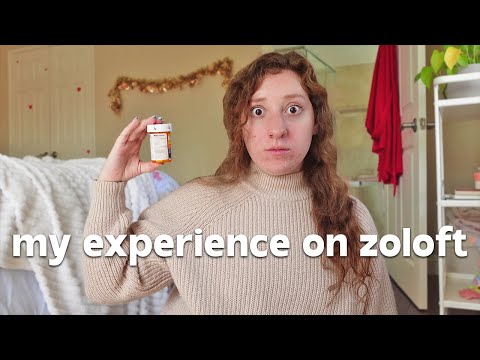
Hey there! You know, lately I’ve been hanging out on Reddit and diving into all those discussions about sertraline. If you haven’t heard of it, it’s a medication folks often take for anxiety and depression.
The stories there? Wow. Seriously, some are kind of heartbreaking, while others are downright inspiring. People sharing their ups and downs with this med makes you feel seen, you know?
I mean, everyone’s journey with mental health is so unique. Reading those threads feels like a peek into the really real world of what it’s like to deal with mental stuff every day. There’s laugh, tears—everything in between!
Let’s chat about the insights I found. Promises to be a wild ride!
Exploring the Connection: Can Sertraline Lead to Mental Health Issues?
So, you’ve heard some chatter about sertraline, huh? It’s a pretty common antidepressant that’s often prescribed for things like depression and anxiety. But you might be wondering if it can actually lead to more mental health issues. Let’s break this down together.
First off, sertraline belongs to a group of medications called SSRIs, or selective serotonin reuptake inhibitors. These guys work by increasing the levels of serotonin in your brain. Serotonin is like a mood stabilizer. When it’s balanced, you tend to feel better emotionally. But what happens when that balance is disrupted?
It’s true that some people report experiencing side effects while on sertraline. These can include feelings of agitation, anxiety, or even insomnia, which can seem like new mental health issues sprouting up outta nowhere. Imagine someone who started taking sertraline feeling more anxious than before; they might think it’s making things worse instead of better.
Now, check this out: there are discussions happening on platforms like Reddit where people share their personal experiences with sertraline. Some say it really helped them overcome long-standing issues, while others felt worse after starting. It’s super interesting because it highlights how subjective these experiences are.
Let’s chat about dosage too—sometimes the dose needs adjustment. If you’re not on the right amount for your specific situation—that’s where complications might arise! Like if you’re on too low of a dose, you may not feel much improvement at all; conversely, too high could lead to those pesky side effects we talked about.
And then there’s the factor of individual differences. Everyone reacts differently to medications based on genetics, other health conditions, and even lifestyle factors like diet and sleep habits! So what happens is—while one person may thrive on sertraline without any hiccups at all, another may feel mood swings or heightened anxiety.
But here’s the kicker: often these side effects don’t show up right away either. You might start off feeling okay but notice changes weeks into treatment—kinda sneaky when you think about it!
So look—a lot depends on your personal journey with mental health and medication as well as open conversations with your healthcare provider. If you’re worried about how it’s affecting your mental health, discuss those concerns honestly during appointments!
In summary: yes, in some cases people report increased mental health issues while taking sertraline—but often it’s complex and personalized rather than a straight line from one point to another.
Always good to stay informed and keep pushing for clarity in your own journey!
Exploring the Impact of Sertraline on Mental Clarity: What You Need to Know
Sertraline is a medication that belongs to a class of drugs called selective serotonin reuptake inhibitors (SSRIs). These are often used to treat conditions like depression, anxiety, and even PTSD. The main goal? To boost your serotonin levels, which are those little chemicals in your brain that help regulate mood. But let’s talk about specifically how sertraline can impact mental clarity.
One common concern people have when starting sertraline is how it might affect their thinking and focus. Some users on platforms like Reddit have shared experiences about this very topic. While many report improvements in their mood and overall functioning, others mention feeling a bit foggy or less sharp when they first start the medication.
- Initial Adjustment Period: When you first begin taking sertraline, your body goes through an adjustment phase. It may take several weeks for your brain to adapt to the changes in serotonin levels.
- Potential Side Effects: During this adjustment phase, experiencing side effects like drowsiness or brain fog is pretty common. It can feel frustrating, especially if you’re hoping for immediate relief from depressive symptoms.
- Long-term Clarity: After the initial period, many find that their mental clarity improves significantly as their mood stabilizes. This makes sense because with better emotional health comes greater ability to think clearly.
- Individual Variability: Not everyone reacts the same way to sertraline. Some people thrive on it without any noticeable impact on their mental sharpness, while others may struggle with cognitive side effects for longer periods.
A friend of mine once started taking sertraline for anxiety. In the beginning, she felt a bit slow and scattered. It was harder to concentrate on her work or even enjoy conversations fully. She described it as being “underwater.” But after a month or so? Things started shifting. Her mood lifted, and she began to notice she could focus better than before—like lifting a fog that had been hanging around her brain.
A key point here is patience. Medications like sertraline often take several weeks to really kick in properly. So if you’re feeling mentally cloudy at first, hang tight! That doesn’t mean it won’t get better.
If you’re considering sertraline or already taking it and noticing some mental clarity issues, talking with your doctor can be super helpful. They might suggest adjusting the dosage or even trying another medication if these feelings persist.
The bottom line? Sertraline has the potential to significantly improve not just your mood but also your mental clarity over time—if you’re willing to ride out those initial bumps along the way.
Exploring the Impact of Sertraline on Empathy Levels: What You Need to Know
Sertraline is an antidepressant that belongs to a class of medications called selective serotonin reuptake inhibitors (SSRIs). If you’ve been browsing through forums like Reddit, you might have seen discussions around how it affects empathy. That’s super interesting, right? Empathy is basically our ability to understand and share the feelings of others, and it plays a crucial role in our relationships.
Now, when you start taking sertraline, what happens is your brain gets a little boost in serotonin levels. Serotonin is that happy chemical we often hear about. Some users report feeling more connected to others and experiencing heightened emotional responses. For them, it’s like flipping a switch from feeling numb or distant to being more engaged and sympathetic.
But here’s the thing—it’s not the same for everyone. Some people notice improved empathy while others may feel a bit dulled in their emotional responses. So why does this happen? Well, it could be due to individual brain chemistry or even how severe their depression was before treatment. That brings us to some key insights from those Reddit discussions.
- Personal Experiences Vary: Many users share that sertraline helped them feel more able to connect with friends and family.
- Emotional Blunting: On the flip side, there are mentions of feeling emotionally flat or less responsive.
- Time Factor: Some individuals find that their empathy improves over time as they adjust to the medication.
There’s also an interesting discussion about dose adjustments. A few folks mentioned that when they increased their dose, they noticed changes in how they interacted with people. Sometimes it took time for these adjustments to kick in, which can be frustrating!
Imagine someone who used to avoid social gatherings suddenly feeling comfortable enough to engage in deeper conversations—it really can be life-changing! But if you still feel disconnected after starting sertraline, don’t hesitate to reach out to your doctor about it.
Another aspect worth mentioning is how these medications might work differently based on individual background factors like genetics or lifestyle choices. So if you find yourself questioning why your experience doesn’t match up with someone else’s on Reddit—know that’s totally normal.
Overall, while many find relief from depression and an increase in empathy on sertraline, it’s essential you communicate openly with your healthcare provider throughout the process. Remember, each person’s journey is unique; finding what works for you takes time and patience but can lead to meaningful connections along the way!
You know, I was scrolling through Reddit the other day, and I stumbled upon a bunch of discussions about Sertraline. It’s that antidepressant a lot of folks take for anxiety and depression. Seriously, I couldn’t help but get drawn into the conversations. The sheer openness and vulnerability in sharing personal experiences is something you don’t see every day.
What really struck me was how people were talking about their journeys with mental health. Some shared how Sertraline helped lift them out of a deep funk, kind of like when the clouds finally part after a storm. Others were more skeptical, discussing side effects or feeling like it just didn’t work for them. And hey, that’s totally valid too! Everyone’s brain is wired differently, and what works wonders for one person might not do much at all for another.
There was this one post where someone described how they started taking Sertraline after struggling with overwhelming anxiety that made it tough to even leave the house. They shared how it felt like being trapped in a tiny box with no way out. After starting the medication—and some therapy on top—they began to feel more like themselves again. Honestly? That kind of hope can be such a lifeline.
But then there’s that flip side where people expressed frustration about how long it can take to really feel any difference. Waiting weeks or even months? Ugh, that’s tough! You could practically feel the impatience through their words. It’s like waiting for your favorite show to get a new season—you’re excited but also kinda over it after a while.
Another thing I noticed was how many folks turned these threads into support groups in their own right. They’d check in on each other, offer advice or just say “Hey, you’re not alone.” That sense of community? Super powerful! It made me think about how important it is to have spaces where we can just be real about our struggles without fear of judgment.
So yeah, those Reddit discussions are more than just talk about meds; they’re reflections of real human experiences—raw and unfiltered. It reminds us that mental health isn’t just black and white; there are shades of gray everywhere you look. And knowing you’re not alone on this rollercoaster ride? Well, that can make all the difference in the world.