So, you know how sometimes life can just feel, um, a little too much? Like, things pile up and it’s hard to breathe? Yeah, that’s when talking about meds like sertraline comes in.
Sertraline is one of those options people turn to. It’s a type of antidepressant that helps with stuff like anxiety and depression. But hold on—it’s not just about popping a pill and hoping for the best.
Many folks find it changes their whole vibe. Like, one day you’re in a fog, and the next? You actually feel like yourself again. Pretty neat, huh?
But wait—it’s not a magic cure or anything. It’s more like having an extra buddy to help you get through the tough spots. You still gotta do some work on your end!
Understanding Sertraline: Uses and Benefits in Mental Health Treatment
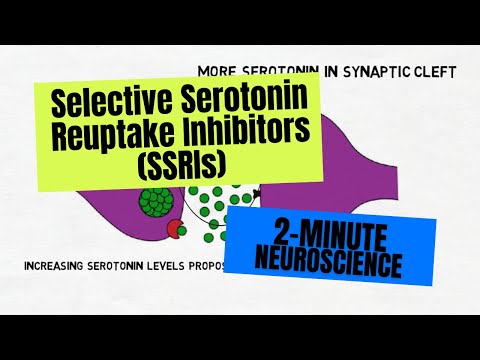
Sertraline is one of those medications that often comes up when people talk about treating mental health conditions. You know, it’s a selective serotonin reuptake inhibitor (SSRI), which basically means it helps increase the level of serotonin in your brain. Serotonin is this cool chemical that plays a big role in mood, anxiety, and overall well-being.
Now, let’s get into some of the things that sertraline is commonly used for.
- Depression: It can be super effective for people dealing with major depressive disorder. A lot of folks report feeling more like themselves again after starting sertraline.
- Anxiety Disorders: If you’re struggling with anxiety—like generalized anxiety disorder or social anxiety—sertraline might help to calm those racing thoughts and lessen nervous feelings.
- Obsessive-Compulsive Disorder (OCD): This med is often prescribed for OCD as it can reduce intrusive thoughts and compulsive behaviors.
- Post-Traumatic Stress Disorder (PTSD): Many people find relief from PTSD symptoms while on sertraline, allowing them to process their experiences more effectively.
- Panic Disorder: For those dealing with panic attacks, sertraline may help decrease their frequency and intensity.
You might wonder how exactly this works. Well, by boosting serotonin levels, sertraline helps to balance your mood and reduce feelings of anxiety. It usually takes a few weeks to kick in—so it’s not an immediate fix—but many users find that their symptoms gradually lessens over time.
It’s important to note that everyone reacts differently to medications. Some people experience side effects like nausea or fatigue at first; others may feel fine right away. But hey, it’s all part of finding the right balance for you.
And speaking of balancing things out, sertraline isn’t just a magic pill; it works best when paired with therapy or counseling. Seriously! Combining medication with talk therapy can enhance the overall outcomes for many individuals battling mental health issues.
Just think about Sarah, who had been feeling really low due to depression and anxiety. After she started taking sertraline along with cognitive-behavioral therapy (CBT), she noticed a huge difference in her life. She felt more motivated to get out of bed each day; she even managed to reconnect with friends she had pulled away from during her tough times.
In short, sertraline has become a staple in treating several mental health conditions because it effectively targets those tricky serotonin levels. But remember, if you’re considering starting or stopping any medication—including sertraline—having an honest chat with your healthcare provider is key! They can help tailor the best approach for your unique needs since mental health isn’t one-size-fits-all.
Understanding Sertraline Side Effects: What You Need to Know for Better Mental Health
So, sertraline, right? It’s this medication that’s often prescribed to help with various mental health conditions like depression and anxiety. You might have heard it called by its brand name, Zoloft. It falls under a category called selective serotonin reuptake inhibitors (SSRIs). Basically, what that means is it helps keep more serotonin—a neurotransmitter that affects mood—in your brain. More serotonin can lead to feeling better emotionally. But like with any medication, there are things you should know about its side effects.
First off, lots of people don’t experience major side effects. But some do, and it’s good to be aware of them. Common side effects can include:
- Nausea: This one’s pretty typical—some folks feel a bit queasy when they start taking it.
- Insomnia: Difficulty sleeping can happen too. It may throw off your sleep schedule for a bit.
- Drowsiness: On the flip side, some people feel tired or sleepy after taking it.
- Dry mouth: A lot of medications can do this; it can become annoying but often goes away with time.
- Weight changes: Some notice a little weight gain or loss, which can depend on how their body reacts.
One thing to keep in mind is that everybody’s body works differently. So while one person might feel super anxious about taking sertraline because they’ve heard about the side effects, another might breeze through without any noticeable changes.
I remember talking to a friend who started on sertraline because she felt overwhelmed by everything in her life—work stress and just the daily grind was really getting her down. At first, she felt nauseous and had trouble sleeping. She was worried it wouldn’t work for her at all! But after a couple weeks, those feelings eased up quite a bit and she began to feel more balanced emotionally.
Now let’s chat about some less common side effects you might encounter:
- Sexual side effects: These could range from lower libido to difficulty achieving orgasm.
- Sweating: Some folks report increased sweating—usually not dangerous but definitely uncomfortable!
- Tremors: A slight shaking or tremor in hands could show up for some users.
It’s wild how our bodies react differently! If you notice any of these pesky side effects or if something feels really “off,” definitely reach out to your doctor sooner rather than later.
It’s also worth noting that when you’re starting or stopping sertraline—or really any SSRI—it’s best done gradually under medical supervision instead of going cold turkey. This helps reduce withdrawal symptoms or adverse reactions.
Remember that while medication can be incredibly helpful for managing mental health issues, it’s usually just one piece of the puzzle. Therapy or lifestyle changes often work hand-in-hand with medications like sertraline.
In short: sertraline has its upsides and downsides; knowing what could happen helps you prepare better mentally as you embark on your journey toward feeling good again! If you’re considering taking it or are already using it but feeling unsure about those side effects, having an open chat with your healthcare provider is key—they’re there to help guide you every step of the way!
Understanding the Long-Term Effects of Sertraline on Brain Health: Insights and Implications
Sertraline, which is one of those popular antidepressant medications, belongs to a class called SSRIs—Selective Serotonin Reuptake Inhibitors. The basic idea behind it is to boost serotonin levels in your brain, which can really help with mood regulation. Now, let’s dive into what this means for your brain health over the long haul.
First off, when you think about the long-term effects of sertraline, it’s important to realize that it affects people differently. Some folks find relief from their symptoms without major side effects. Others might experience a few bumps along the way. So, let’s break down some key points about its impact.
- Neurotransmitter Balance: Sertraline mainly works on serotonin, one of the key neurotransmitters responsible for mood. Over time, your brain gets used to having more serotonin floating around. This can help maintain a more stable mood and reduce anxiety.
- Cognitive Function: There’s some evidence that SSRIs like sertraline can actually enhance cognitive function in people who were previously feeling very low or anxious. It’s like giving your brain a little boost after all the fog lifts.
- Potential Side Effects: While many tolerate it well, long-term use can come with some side effects—like weight gain or sexual dysfunction. Not every body reacts the same way; some manage just fine while others might have a harder time adjusting.
- Persistent Effects After Discontinuation: For some people who stop taking sertraline, they might notice that benefits linger for a bit even after they quit. However, it’s crucial to wean off under medical supervision because stopping abruptly can lead to withdrawal symptoms.
- Coping Mechanisms: It’s interesting how sertraline may help you develop better coping mechanisms over time. When you feel less anxious or down, you’re more open to trying new things and facing challenges in healthier ways.
Now let me share an anecdote: Imagine someone named Alex who struggled with chronic anxiety for years. They finally started taking sertraline after talking with their doctor and noticed improvements in their mood pretty quickly—a clear shift in how they interacted with friends and even tackled work projects! After about six months on the medication, Alex felt so much better that they decided to cut back on therapy sessions but continued their meds.
But here’s the kicker: Over time, Alex learned how to handle stress more effectively and even picked up new hobbies. They realized that although medication was helpful initially, the real growth came from combining it with therapy and lifestyle changes.
Of course, everyone’s journey is unique! That story shows how taking something like sertraline can have positive long-term implications for mental health when paired with other tools and support systems.
So yeah, understanding how sertraline affects your brain isn’t just about what happens when you’re taking it—it’s also about how those changes shape your life afterward. Whether you’re navigating tough emotional waters or finding a sense of stability again will always depend on different factors at play in each individual case.
In short? Sertraline has potential long-lasting benefits for overall mental health when used properly but keeping an eye on side effects or any complications is important too! Always chat with someone who gets all this stuff—like your therapist or doctor—to figure out what best suits you moving forward!
You know, when we talk about mental health, it can feel like a bit of a minefield. Sometimes it’s hard to find the right words, and navigating through treatment options is no walk in the park either. One medication that often pops up in conversations is sertraline. It’s one of those selective serotonin reuptake inhibitors (SSRIs) that can really help folks dealing with conditions like depression or anxiety.
I remember a friend of mine, Emma, who struggled for years with feelings of hopelessness. It was rough. She’d try therapy sessions and lifestyle changes, but sometimes the weight just felt too heavy. After a lot of discussion with her doctor, she started taking sertraline and honestly? It was like watching a light flicker back on inside her. Slowly but surely, she found herself feeling… well, more like herself again.
What’s wild is how sertraline works by impacting serotonin levels in your brain. Serotonin’s often dubbed the “feel-good” chemical because it plays such a vital role in mood regulation. So when you’ve got an imbalance—like Emma did—it makes sense to consider something that can help get those levels back on track.
But here’s the thing: everybody’s different. Some people might respond beautifully to sertraline while others may find it doesn’t quite hit the mark for them. And that’s totally okay! It’s all about finding what works best for you, sometimes through trial and error.
And don’t forget about all the side effects you hear people mention—whether it’s feeling nauseous or having weird dreams—it can be a lot to handle at times too. But in many cases, these effects fade as your body gets used to the medication.
Overall, sertraline has its place in treating mental health issues and helping people reclaim their lives from shadowy feelings or anxious thoughts—just like it did for Emma. Seeking help and exploring options is such an important step toward healing; if medication comes into play, it’s one tool among many on that journey to wellness!